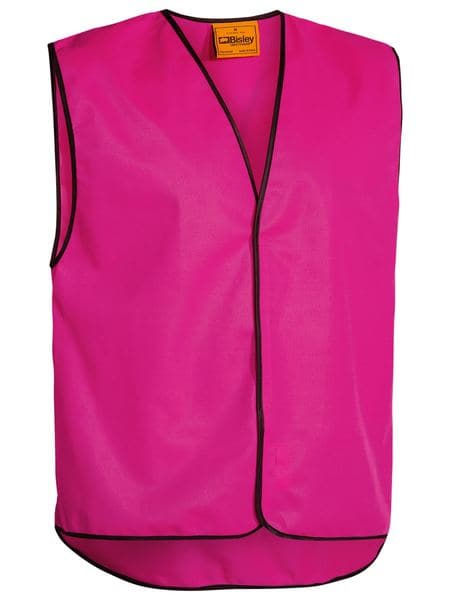
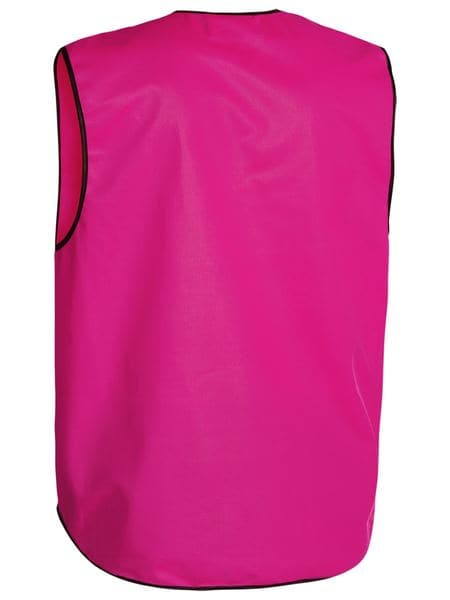
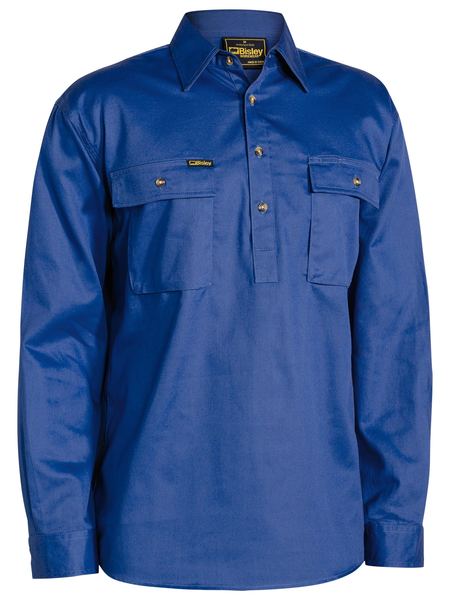
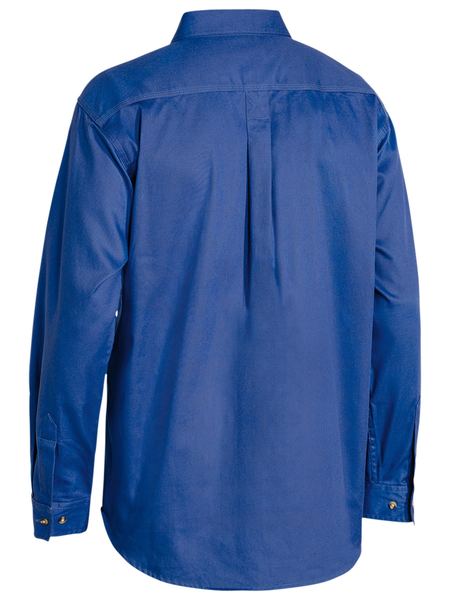
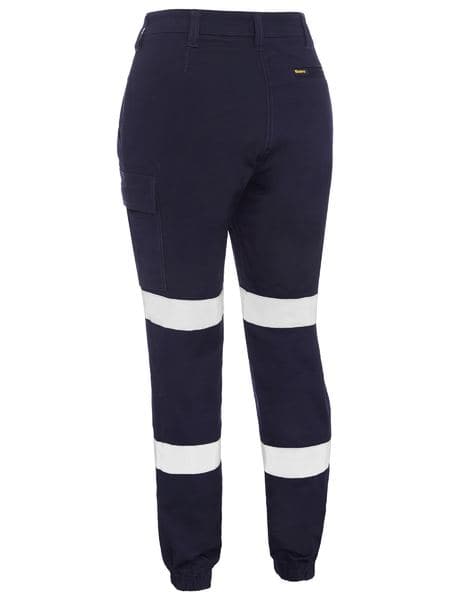
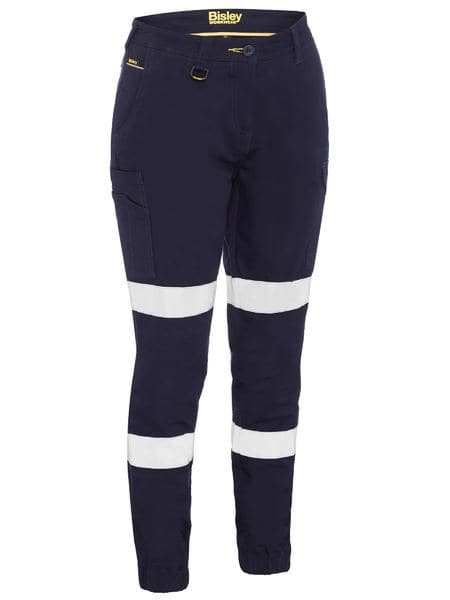
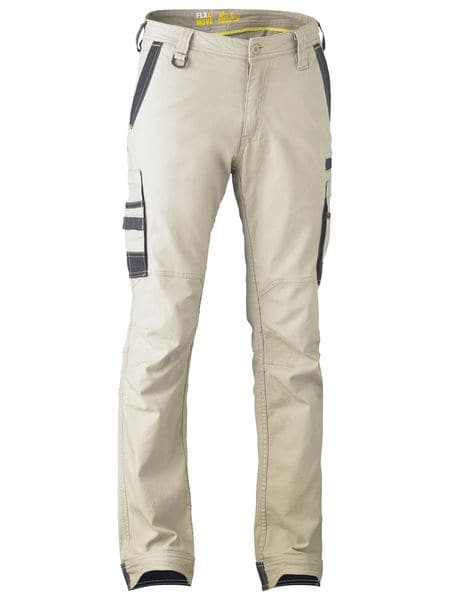
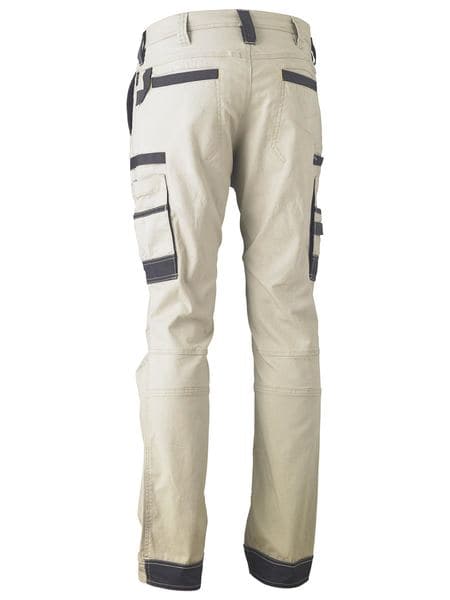
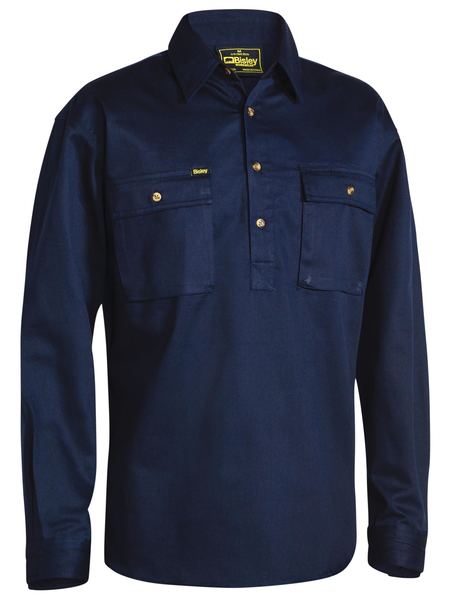
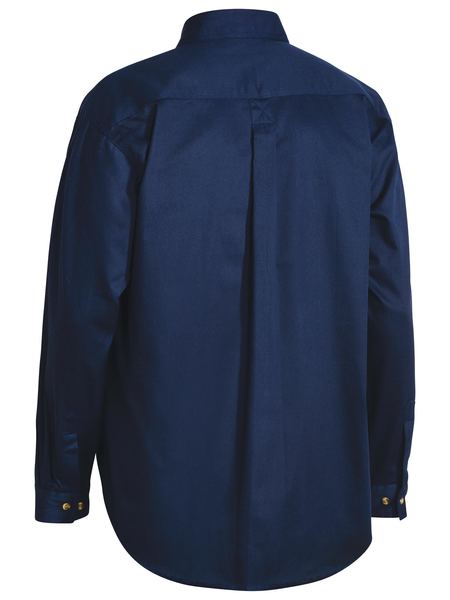
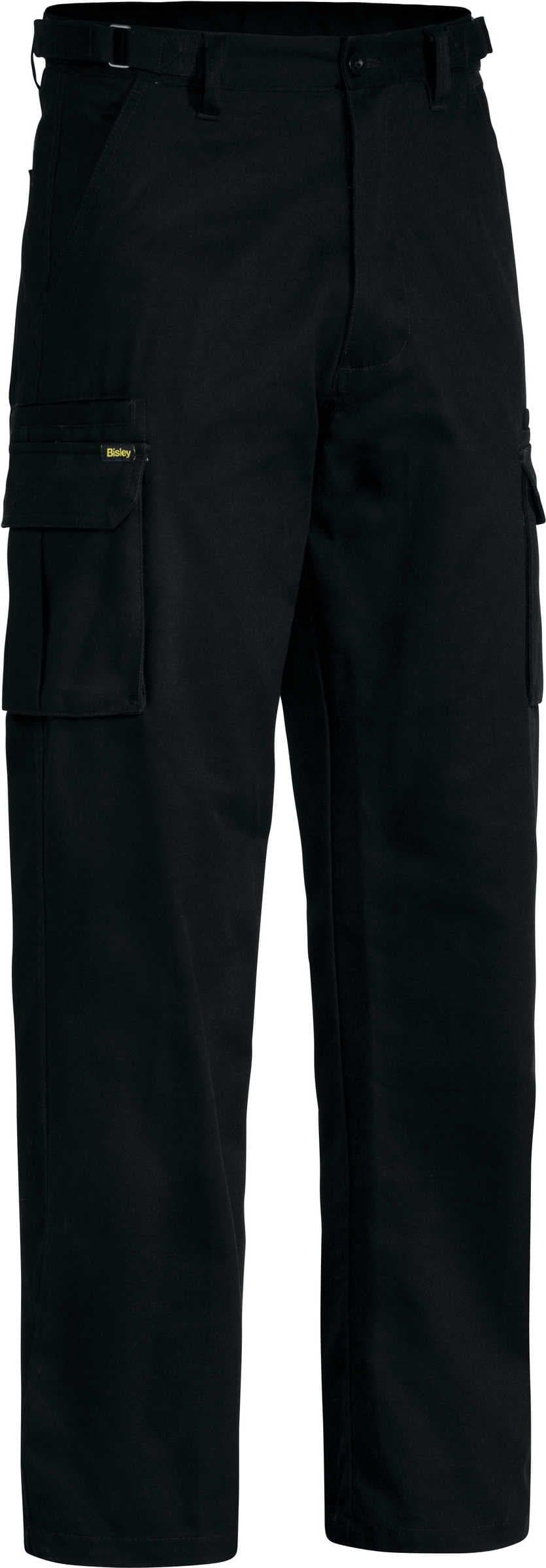
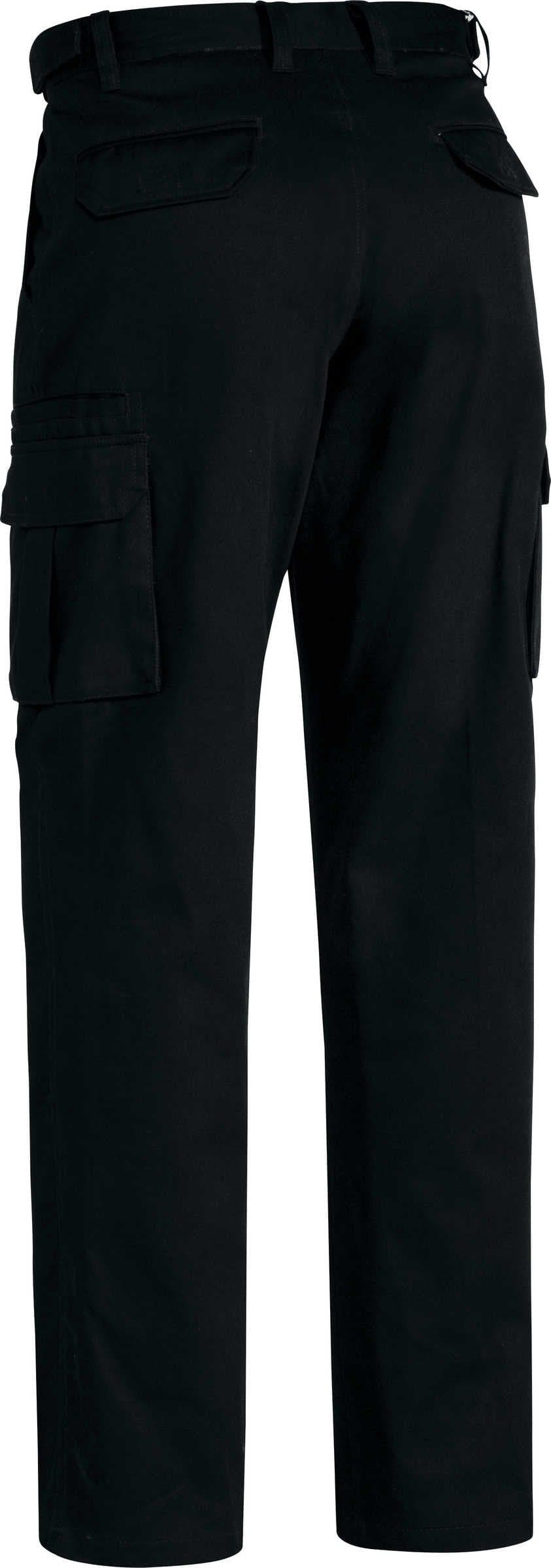
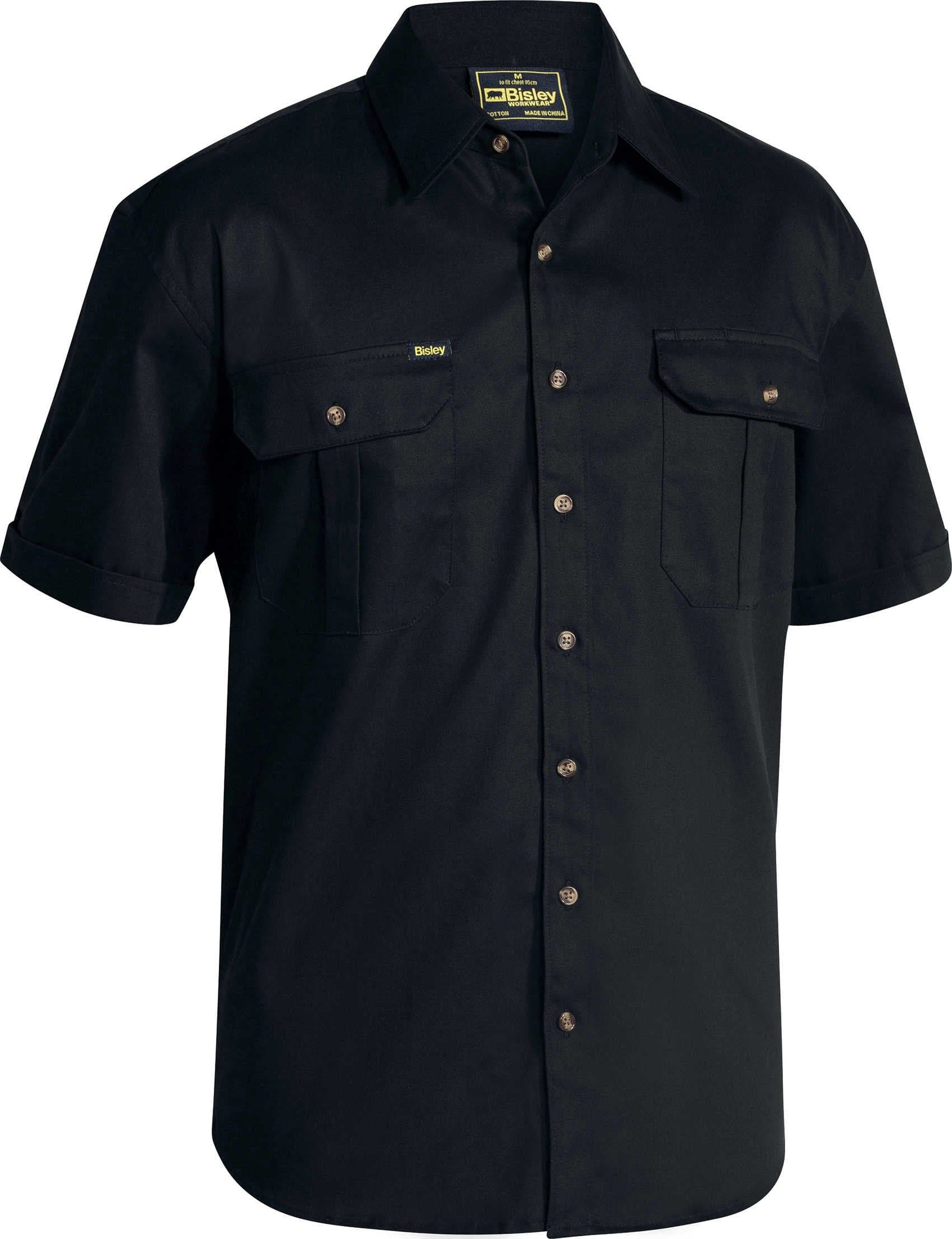
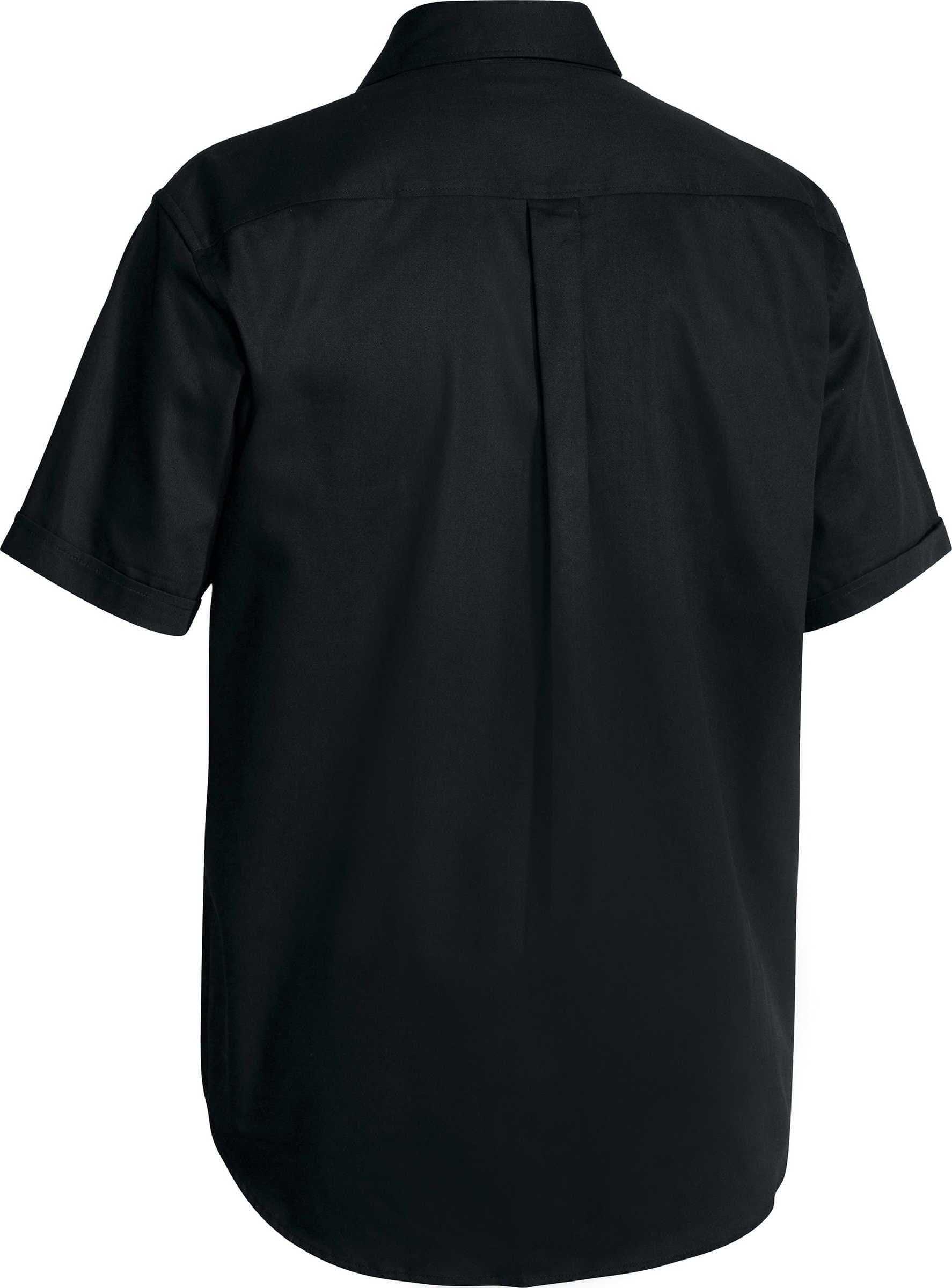
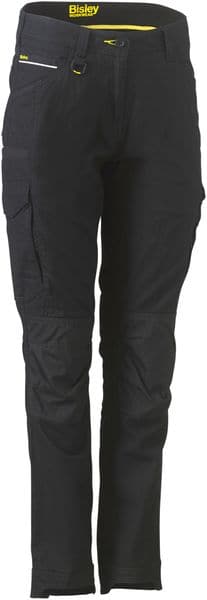
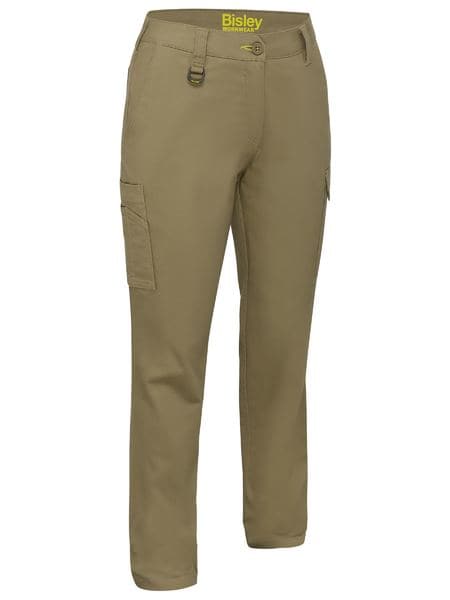
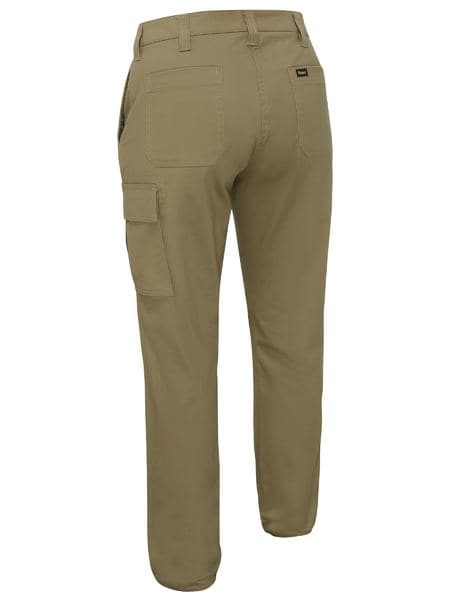
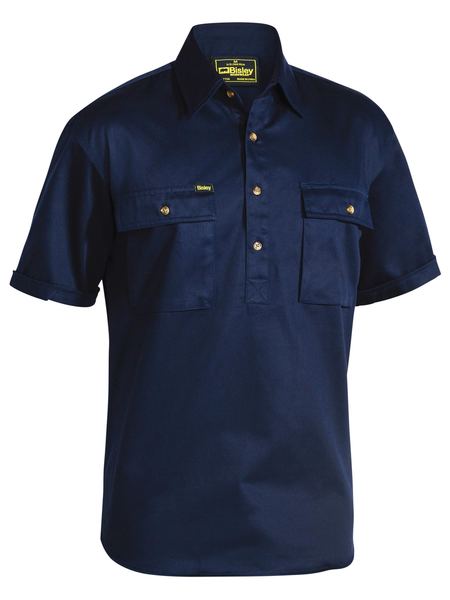
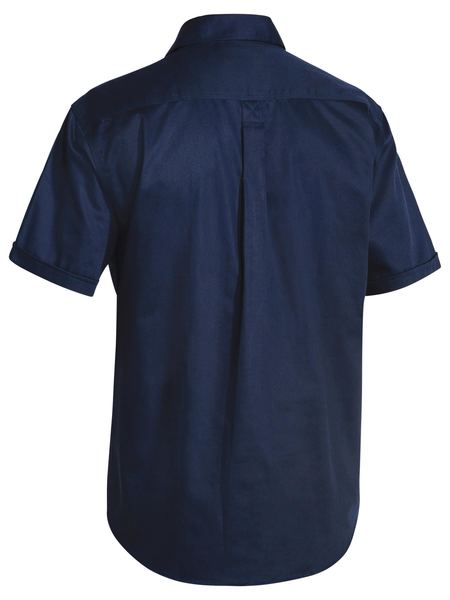
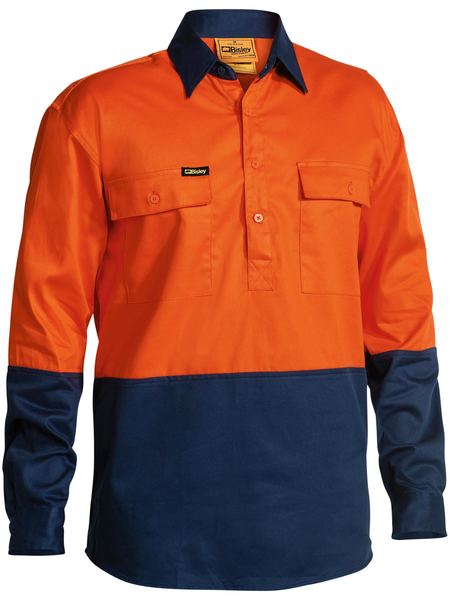
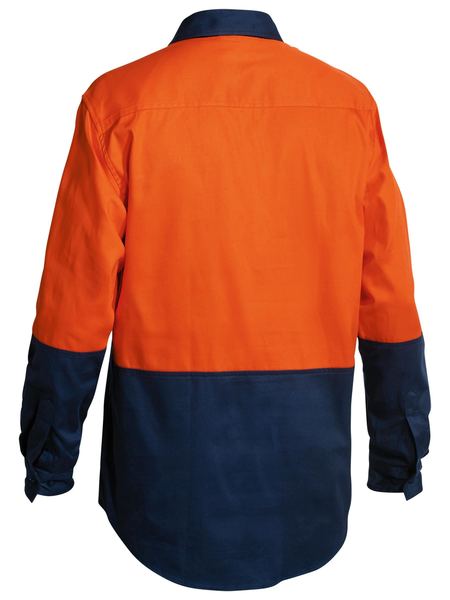
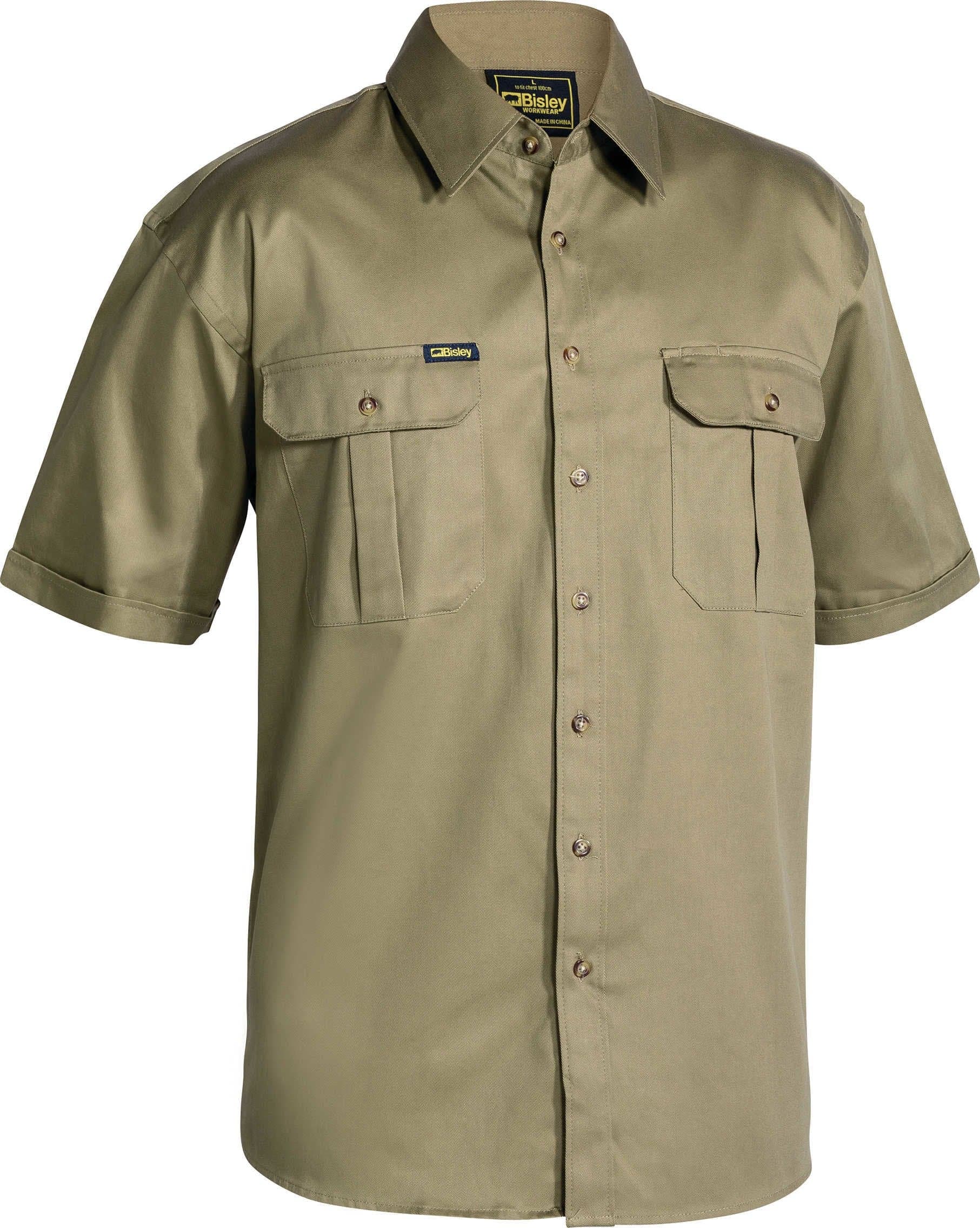
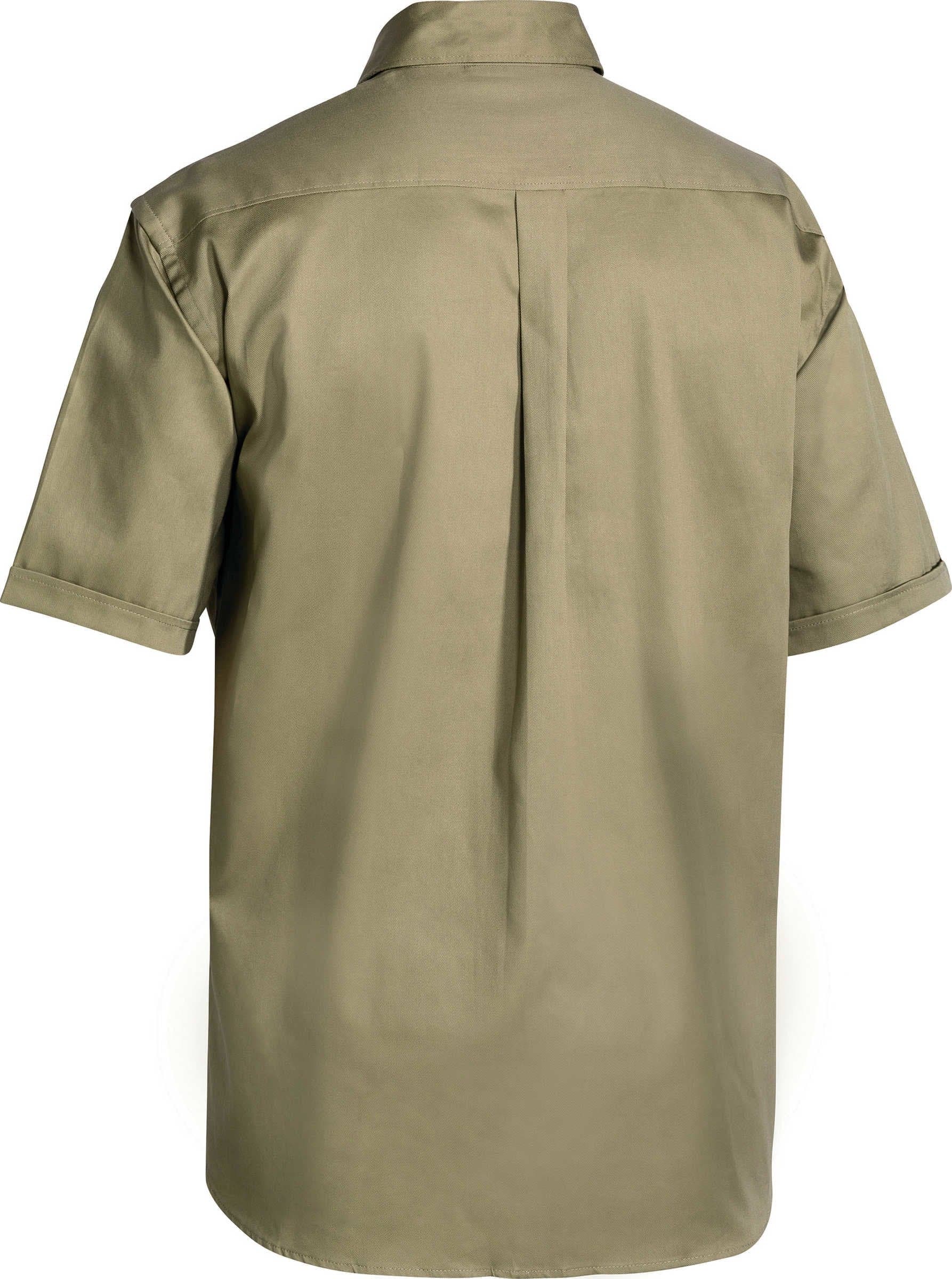
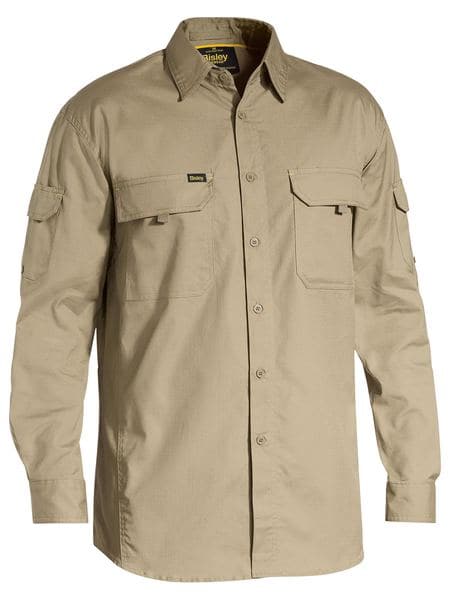
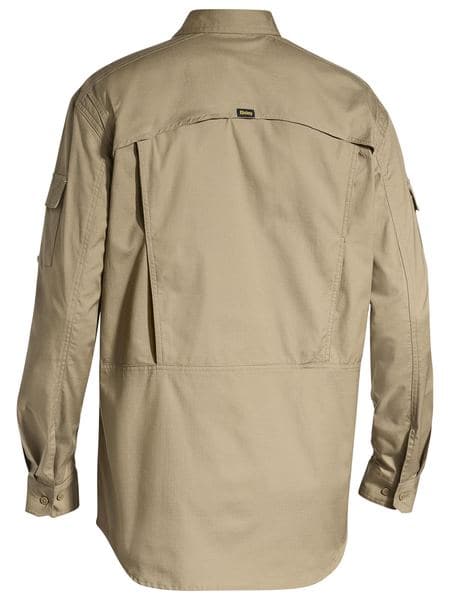
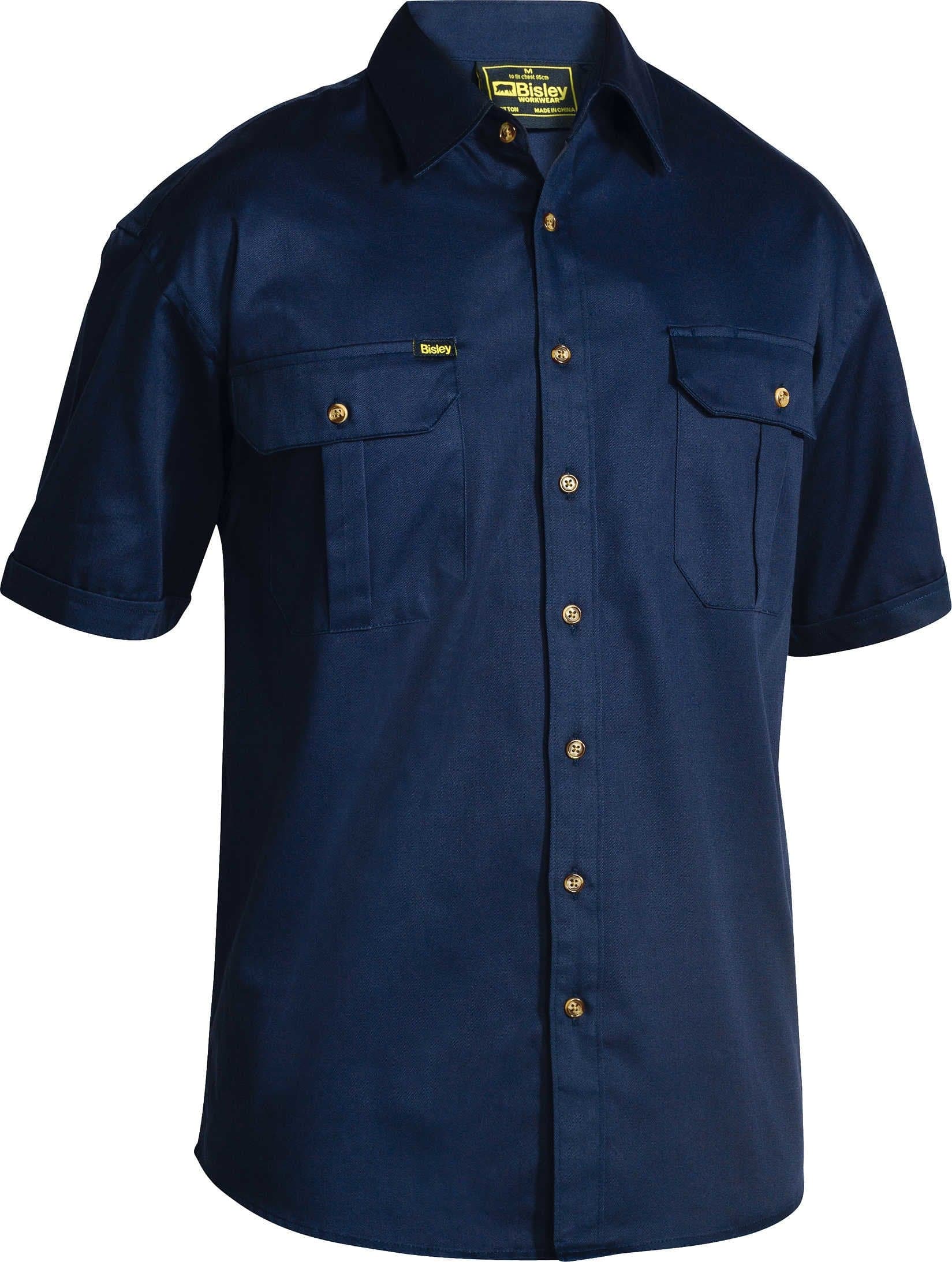
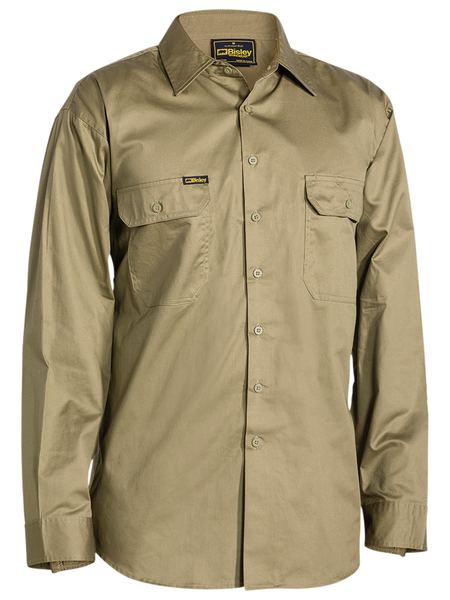
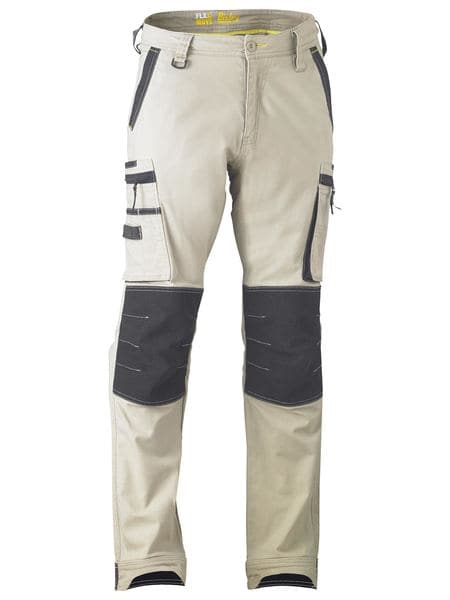
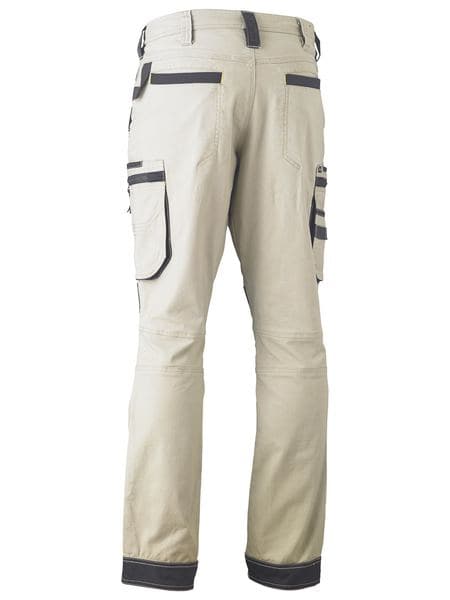
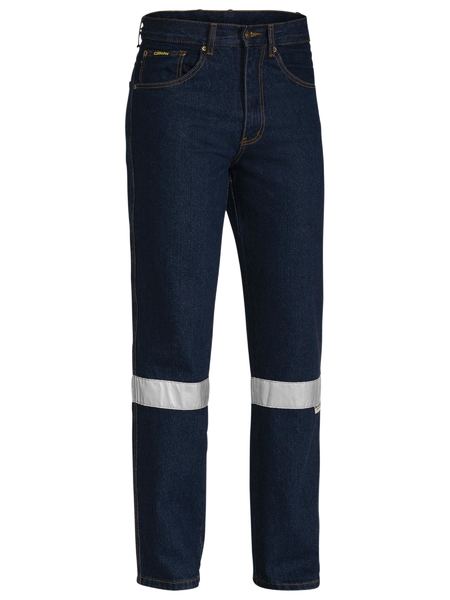
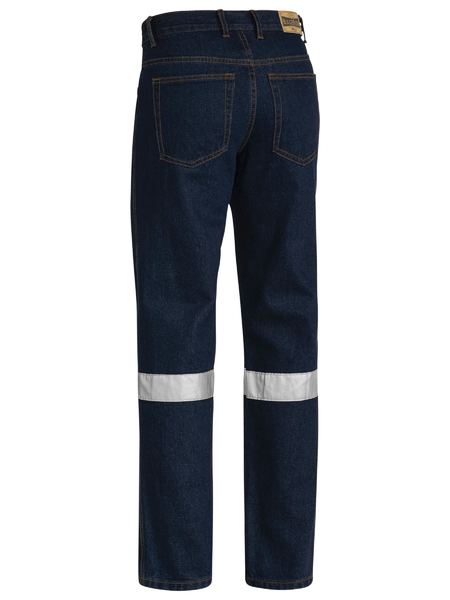
Mining is the one trade where what you wear is almost never your own decision. Site standards are written into the induction, and they typically stack requirements that other trades meet one at a time — high visibility, day and night reflective, flame resistance, and sometimes a specified fabric weight on top of all three.
The range here reflects that stacking. Hi vis runs through the majority of the styles rather than sitting in a corner of the range, and most of it is taped for day and night rather than daylight only. Flame resistant garments make up a larger share of this page than any other trade range on the site, because mine sites commonly specify FR alongside visibility rather than instead of it. Beyond compliance, the practical needs are heat and distance: ventilated and lightweight builds for open-pit summer, lined jackets and layers for underground and night shift, and ripstop where rock, mesh and steel take the edge off a garment fast.
Two things worth checking before ordering. First, get the actual standard from your induction paperwork rather than a colour — "orange hi vis" and "AS/NZS 4602.1 Class D/N" are not the same instruction, and a garment that fails an audit is a garment you cannot wear. Second, if your site specifies flame resistance, confirm the rating on the product page rather than assuming the whole range carries it. It does not, and it is not meant to.
What does mine site workwear usually have to meet?
Mine sites are among the most prescriptive workplaces in the country, and the requirement is site-specific rather than universal. Most combine high visibility with flame resistance, and many specify a particular fabric grade rather than just "FR".
Get the specification from your site induction or safety officer before buying. A garment that is FR but not the grade your site names will be turned away at the gate, and that is an expensive way to find out.
Why is ripstop fabric common in mining workwear?
Because of what a tear costs. Ripstop is woven with a reinforcing grid at intervals, so a snag stops at the next grid line instead of running into a full tear. On a site where a torn garment means being sent off the job to change, that is worth more than raw fabric weight.
It also matters for protective clothing specifically: a hole in flame resistant clothing is an unprotected area.
Is antistatic clothing required on mine sites?
Often, and for a specific reason: where flammable dust or gas can accumulate, a static discharge is an ignition source. Antistatic treatment dissipates that charge rather than letting it build.
It is normally specified alongside flame resistance rather than instead of it, and as with everything else on a mine site, your induction is the authority on which you need.
Recently viewed
Free Shipping
Order over $200 and the order ships free, Australia wide.
Established 1990
We know how to take care of our customers.
Top-Notch Support
Need a hand or have a question? Don't hesitate to reach out.
Save Upto 15%
The more you add, the more you save. Buy in bulk and take 15% off.
Opens in a new window.
Gifting has never been easier
Perfect if you're short on time or are unable to deliver your gift yourself. Enter your message and select when to send it.