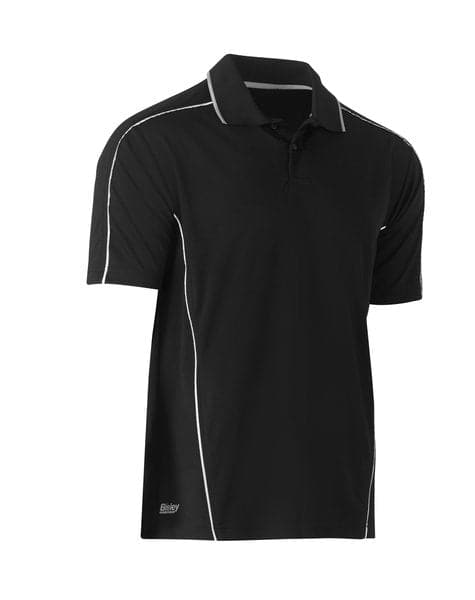
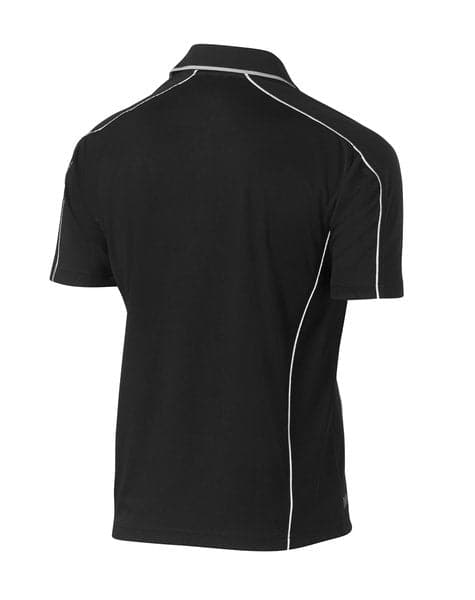
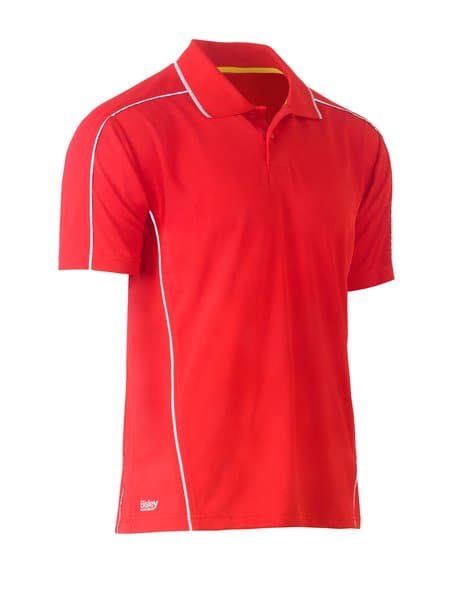
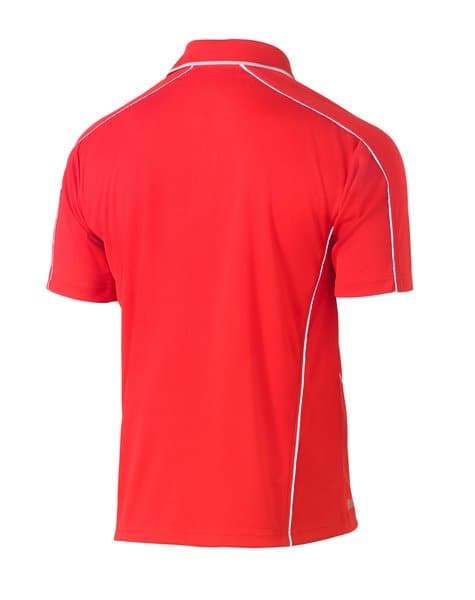
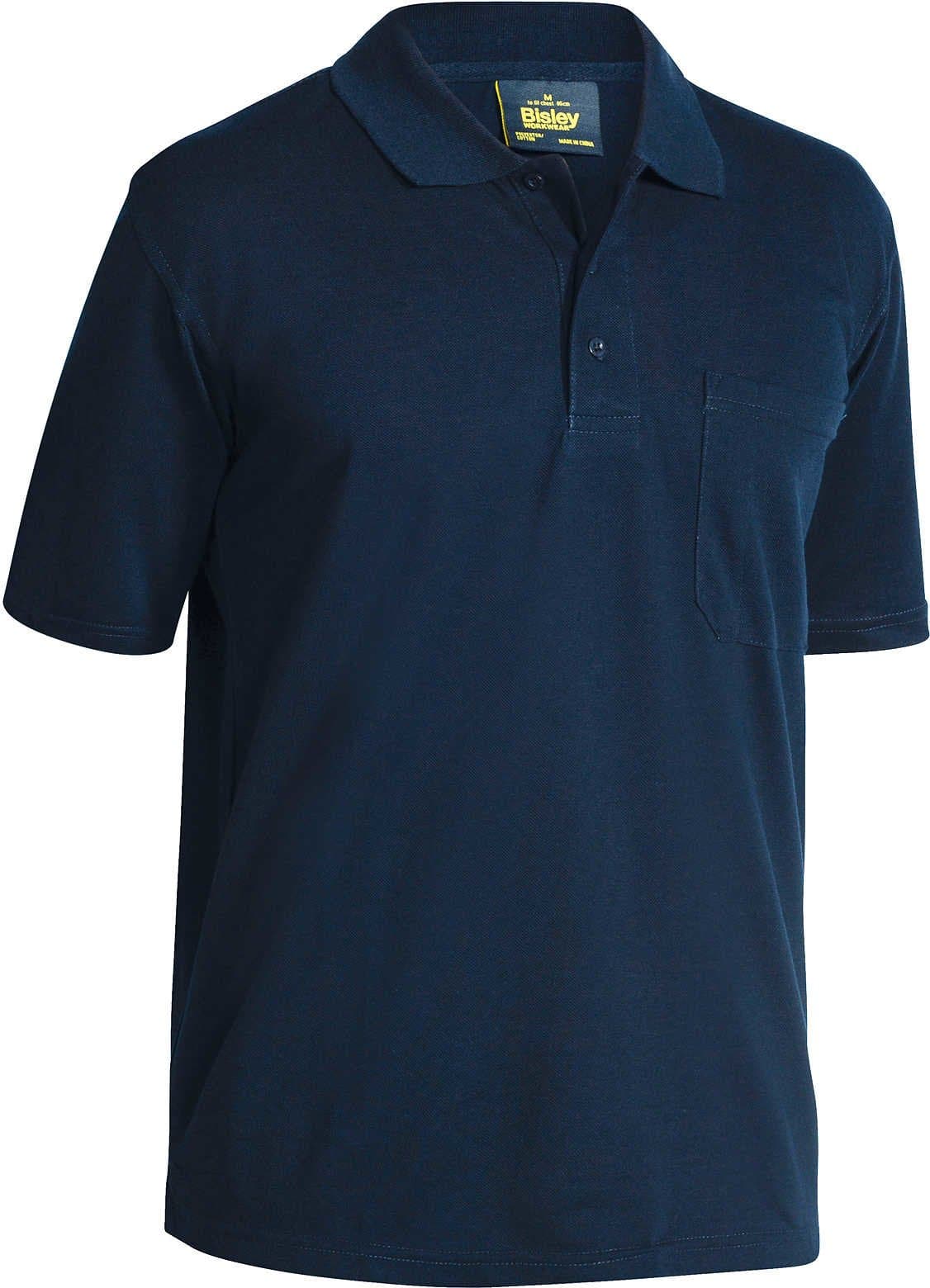
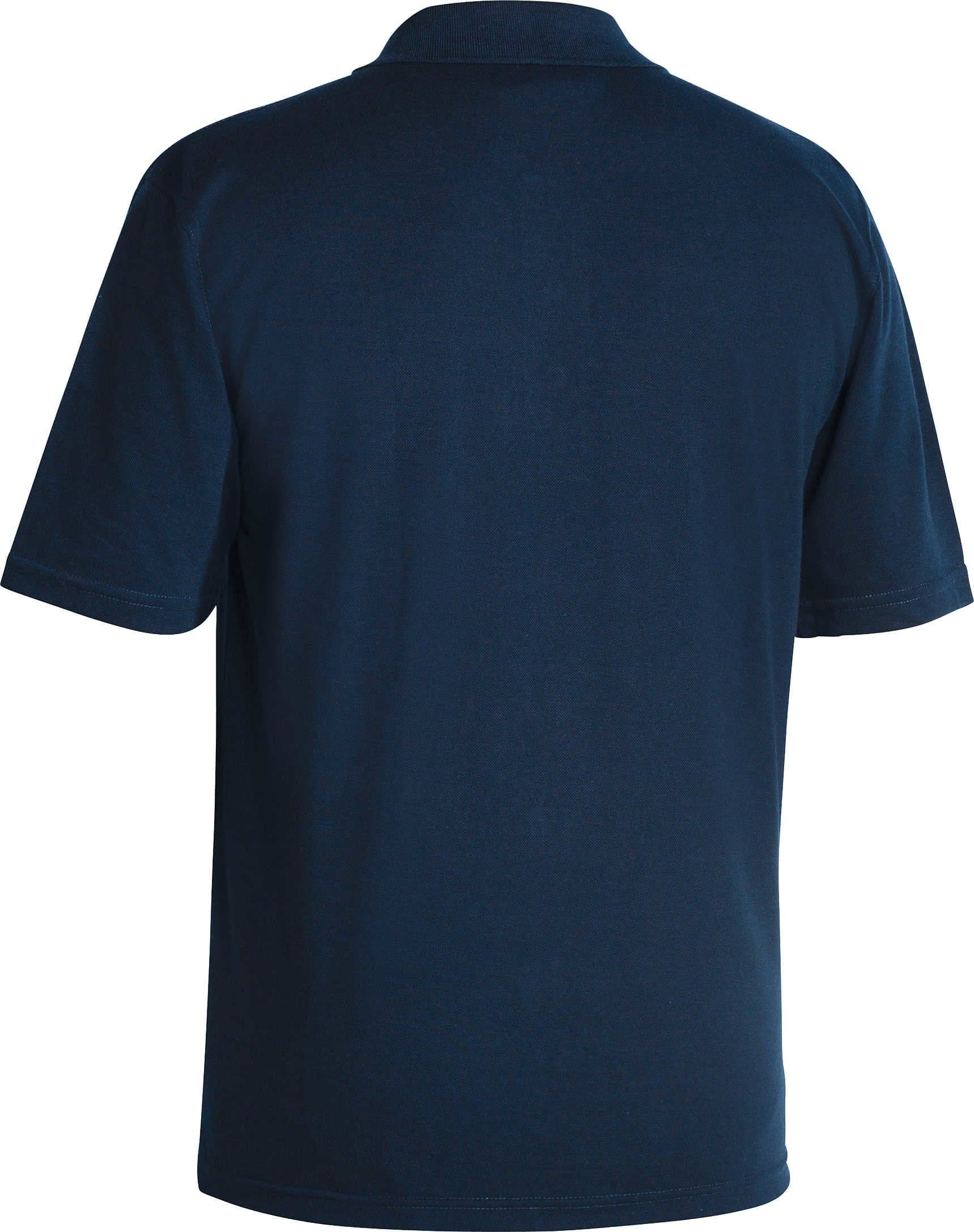
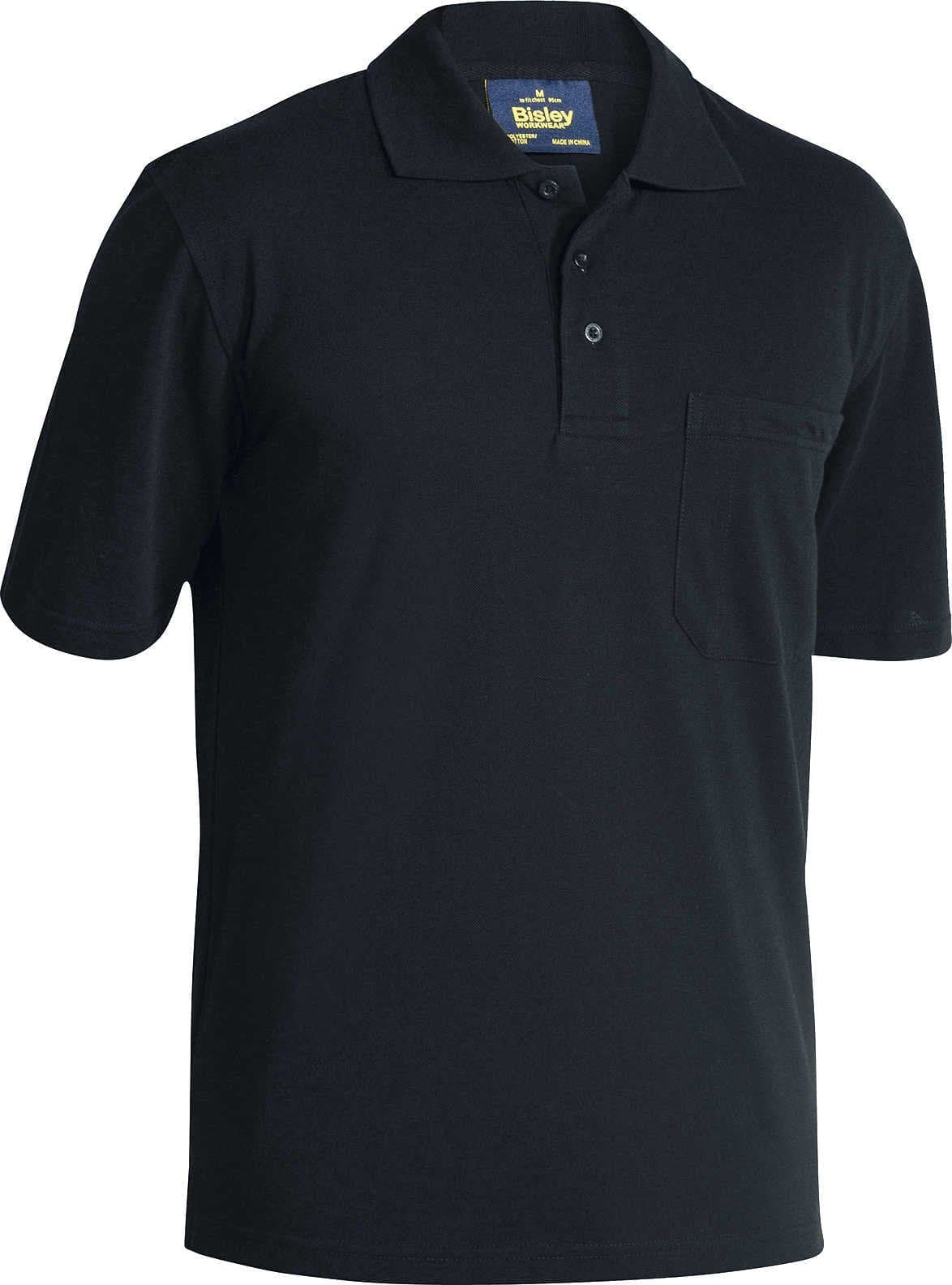
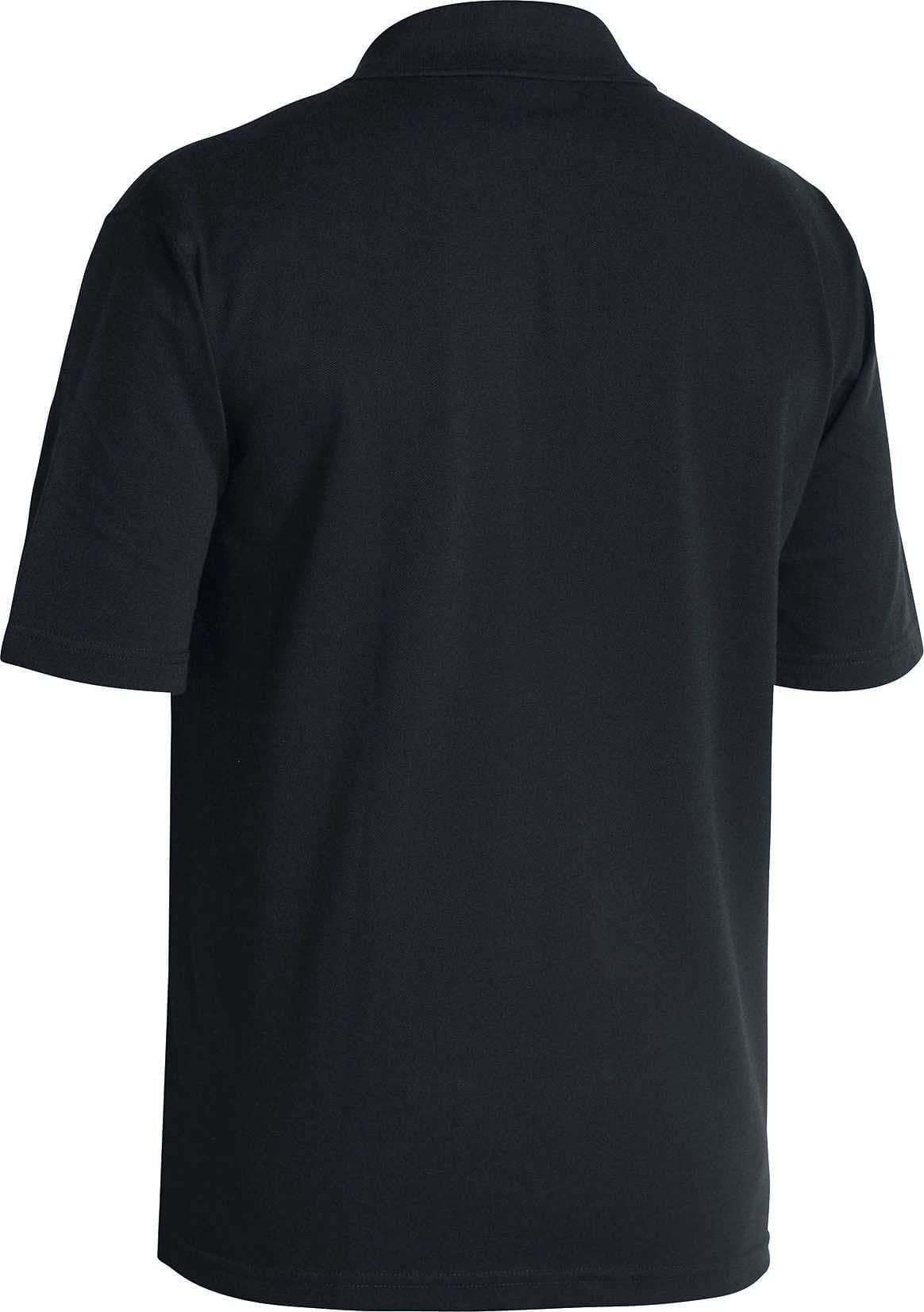
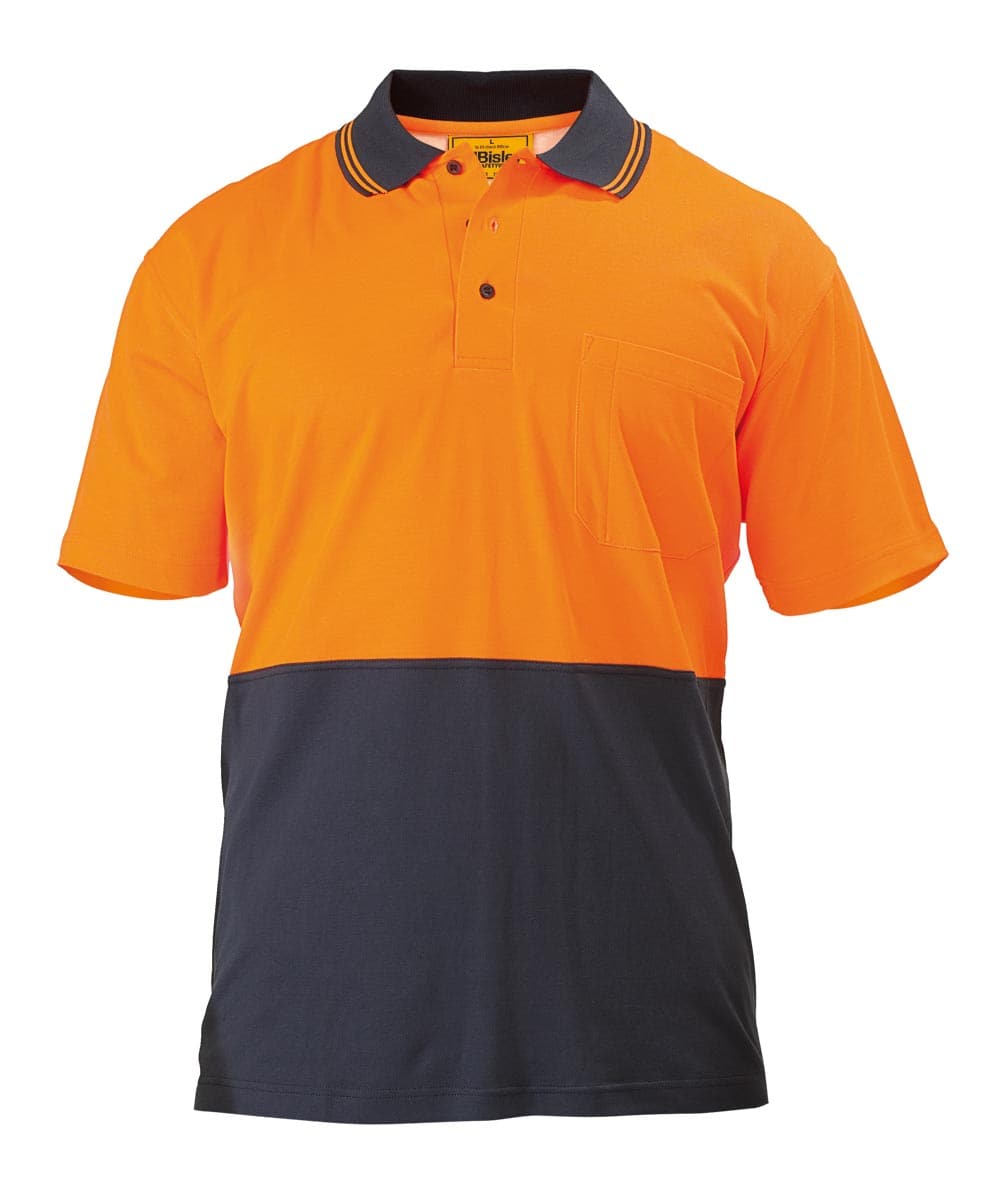
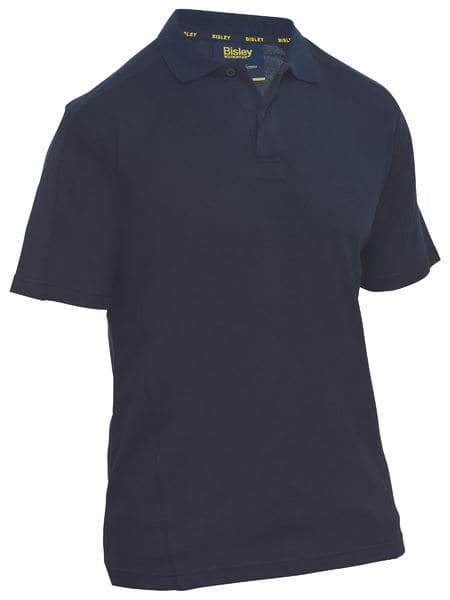
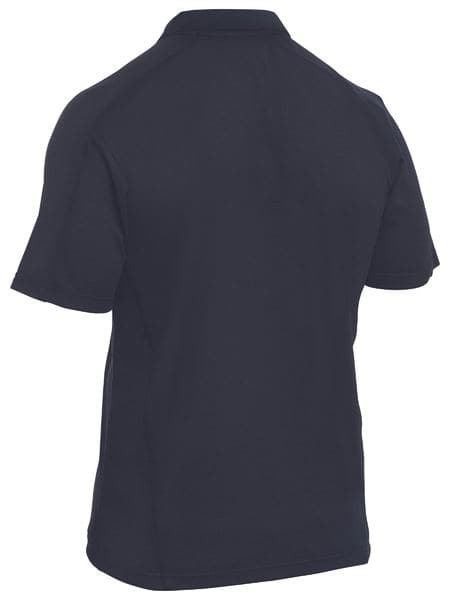
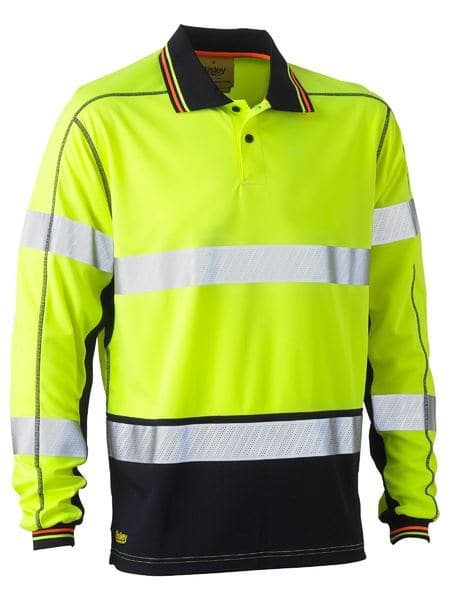
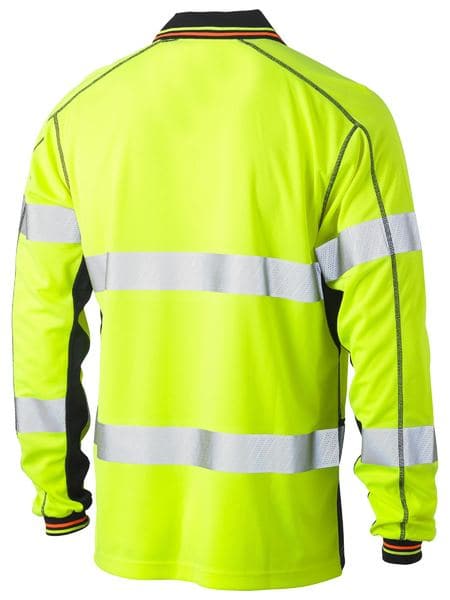
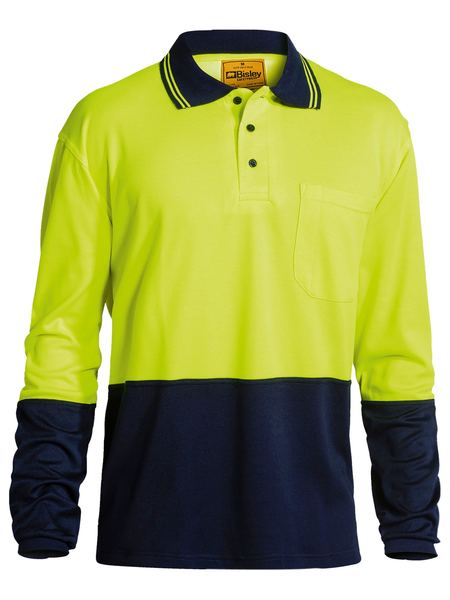
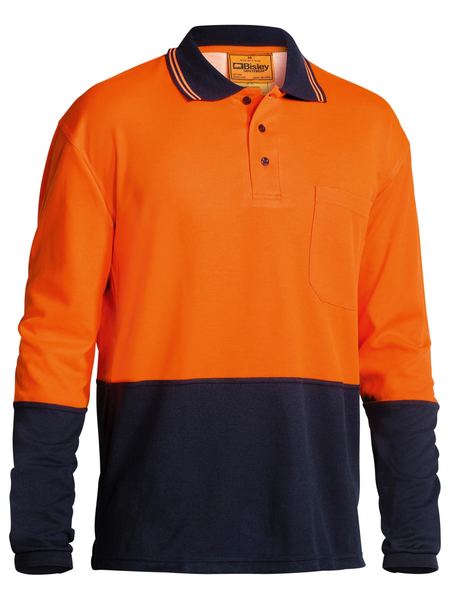
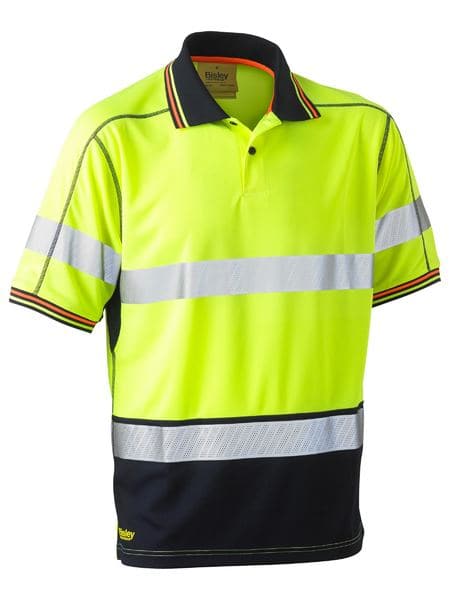
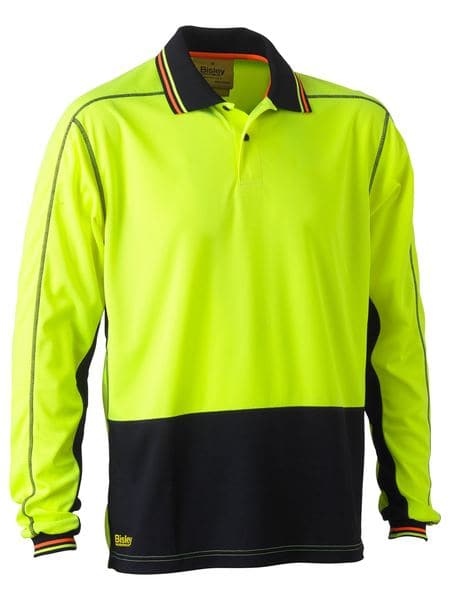
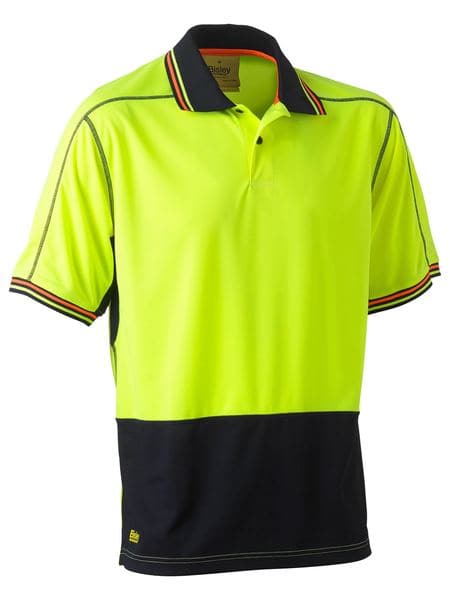
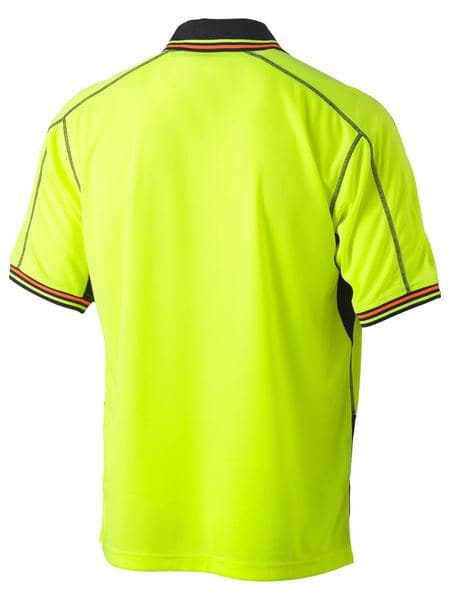
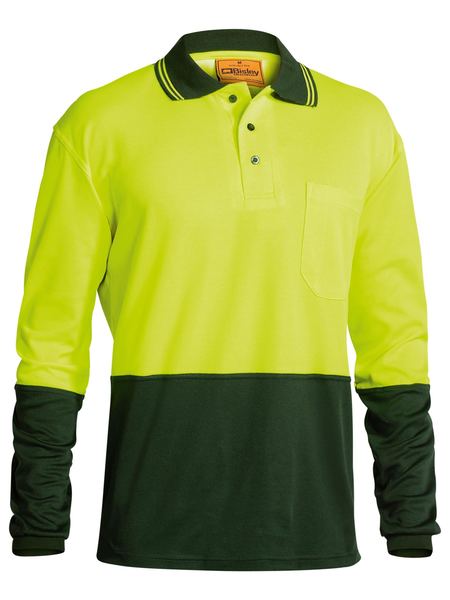
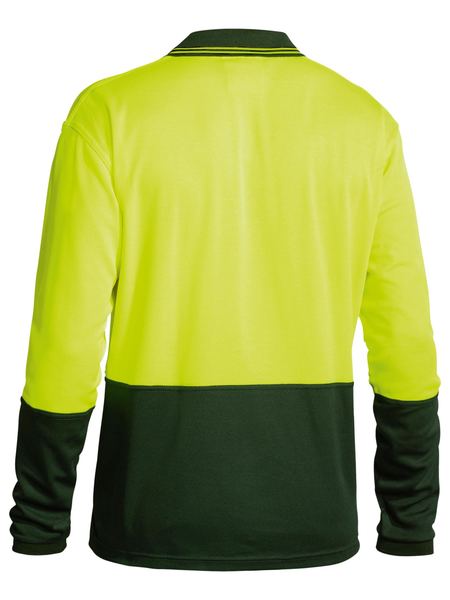
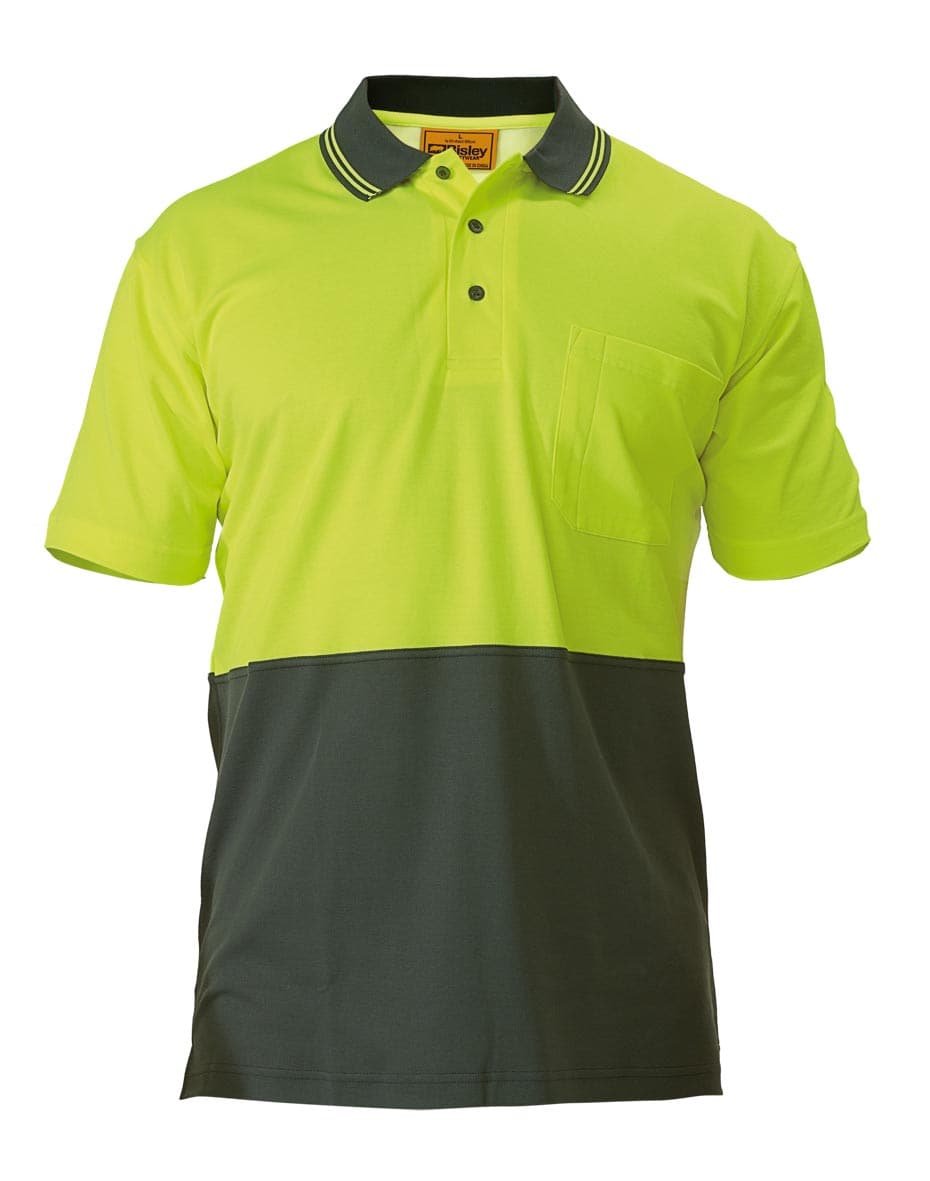
A work polo is what you reach for when a button-through drill shirt is more than the job needs. Knit collar, short placket, nothing to iron and nothing to tuck in if you would rather not. It sits between a t-shirt and a drill work shirt, which is why workwear polos turn up in workshops, warehouses, on delivery runs and anywhere the standard is presentable rather than formal.
Fabric is where these work polo shirts part company with a casual one. Half the range is a mesh knit built to move air and dry quickly, so a shirt you sweat through at nine is not still damp at two, and about half carry an antibacterial finish that targets the odour rather than the sweat. Several of the two-tone hi vis styles are dual-layered — polyester on the outside for wear and colour, cotton on the inside against your skin — which is the closest thing here to a cotton polo work shirt. There are plain poly-cotton polos as well; they hang more like a casual polo and crease more, which matters when the same shirt is doing customer-facing work.
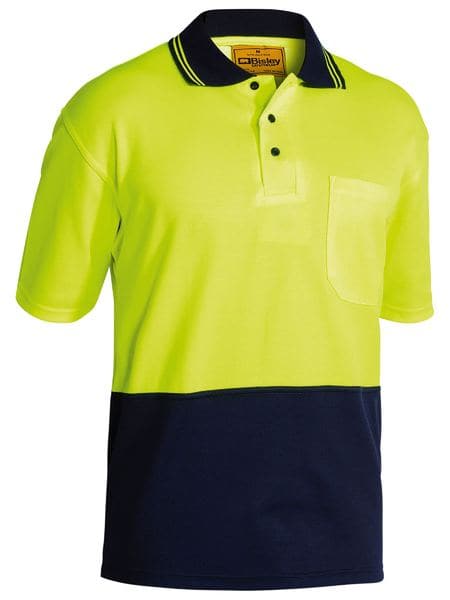
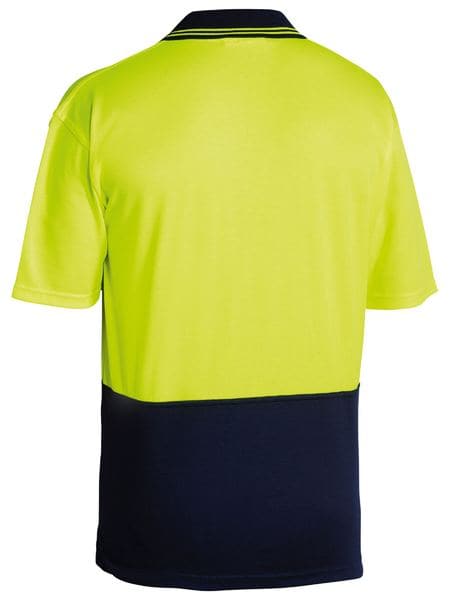
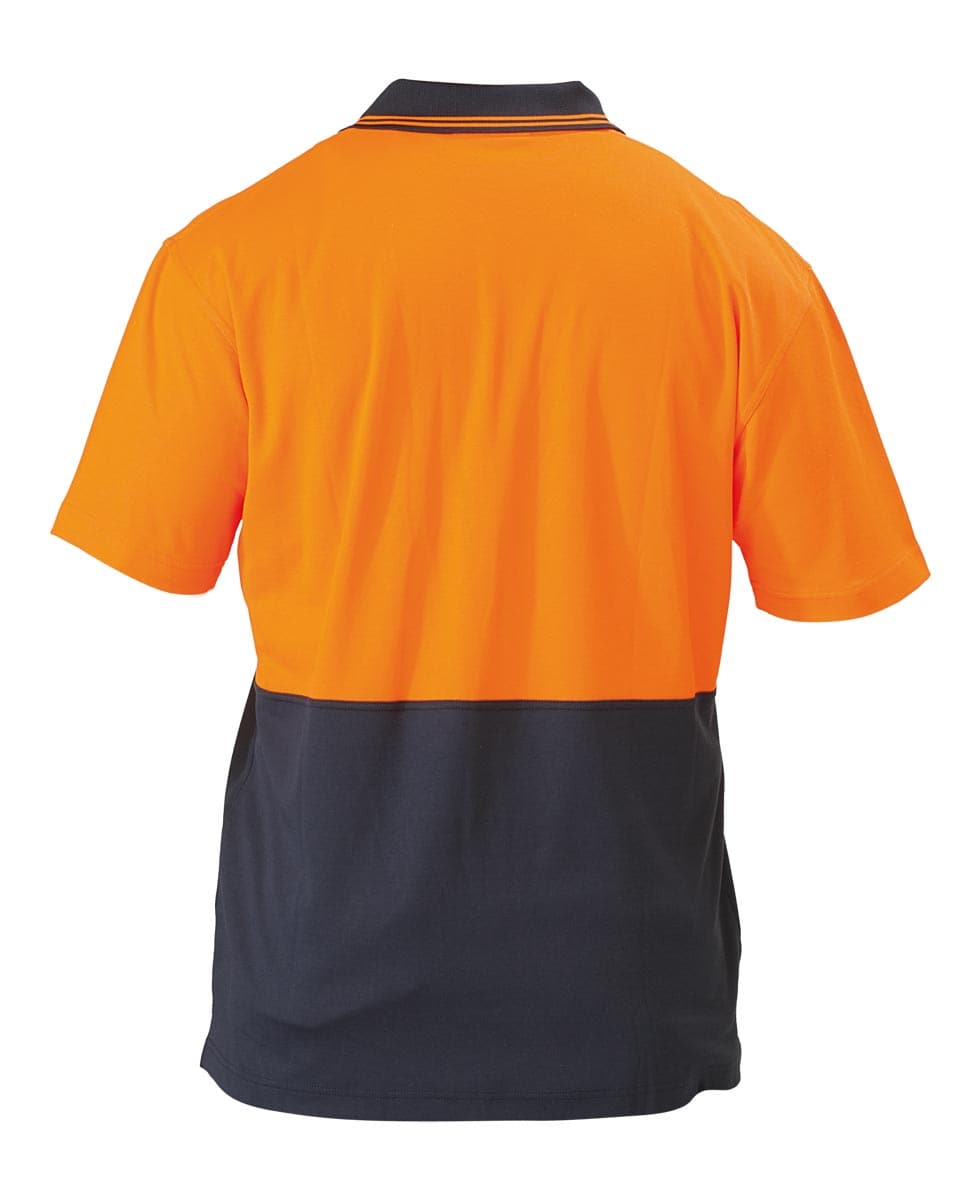
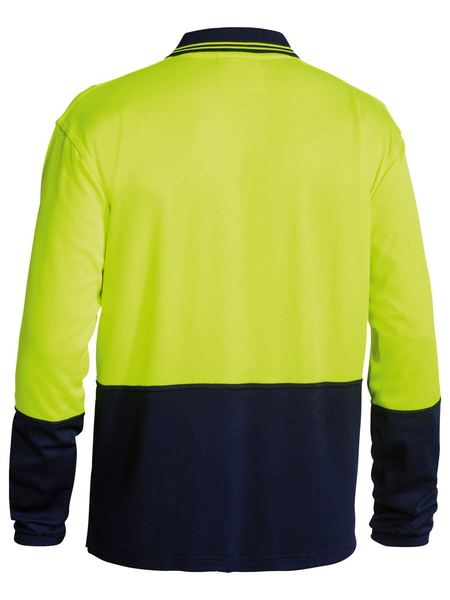
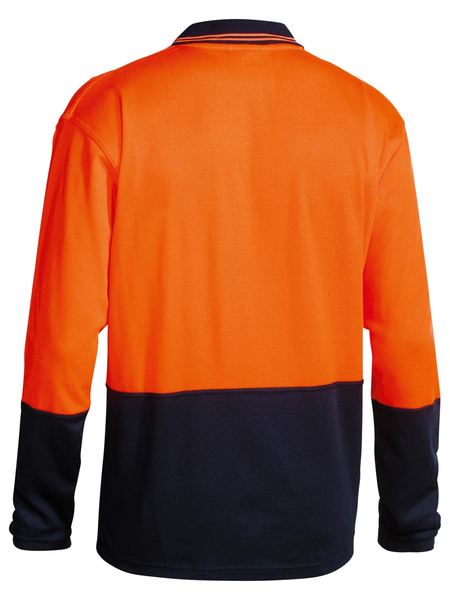
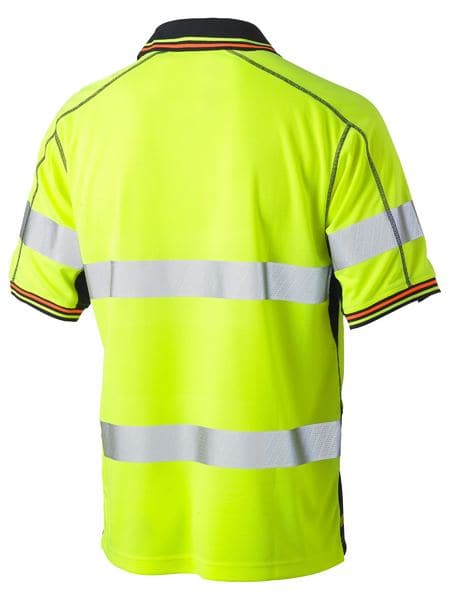
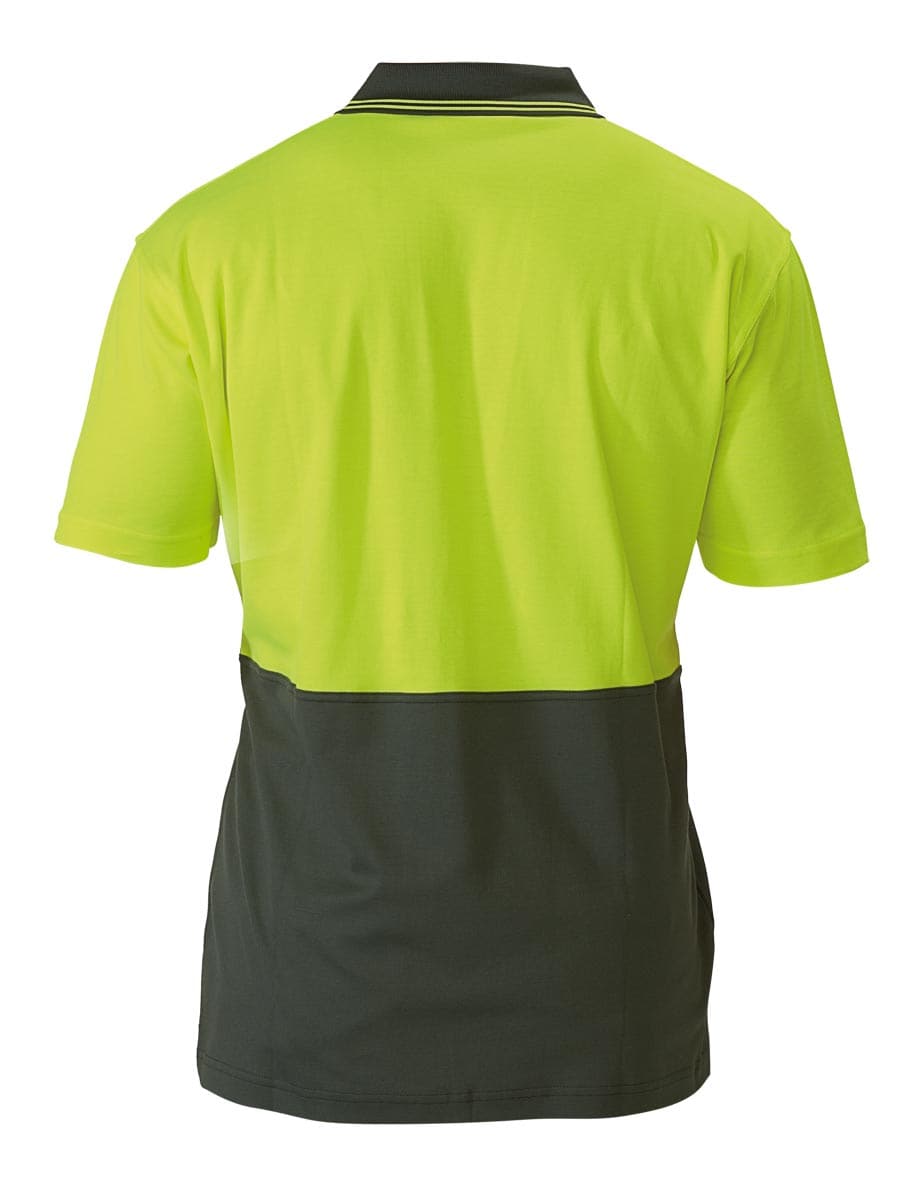
Most of the range is hi vis, and two-tone is the usual build — a contrast panel low on the body where a polo picks up dirt, with the fluoro kept where it is seen. A smaller group carries reflective tape for day and night work. Worth knowing that a few of the plain styles have reflective piping instead, which is a visibility detail and not the same thing as tape. Whether a polo is accepted at all, and whether it has to be taped, comes from your site's PPE rules rather than from the garment — and where the answer is no, the men's hi vis shirt range carries far more taped options.
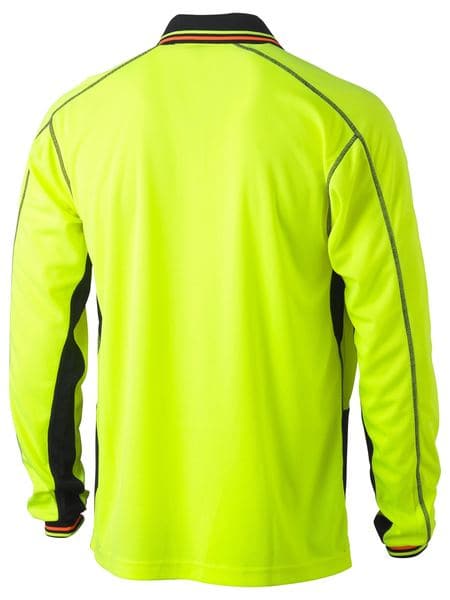
The hi vis styles run in both sleeve lengths in the same fabrics, so covering your arms outdoors does not mean stepping up to a heavier garment. One practical note: the collar is what dates a polo. It curls and goes limp long before the body wears out, so cold wash and hang rather than tumble if you want the shirt to keep looking like work clothing. For the button-through alternative, see men's work shirts.