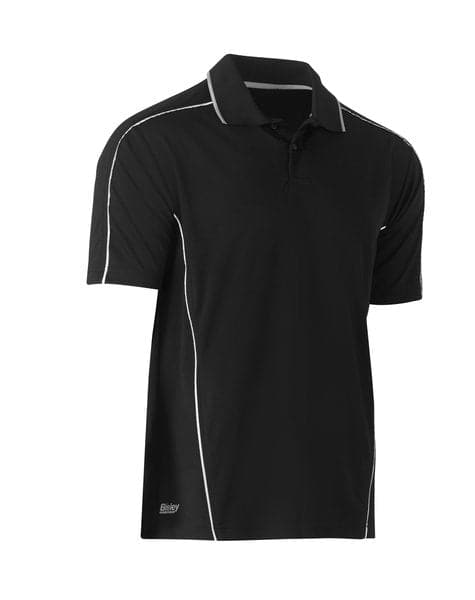
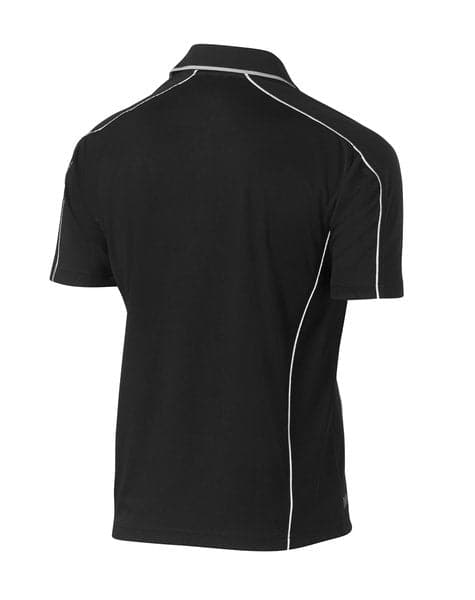
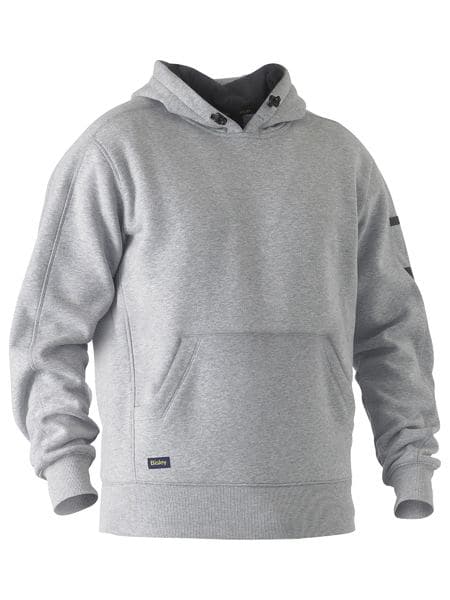
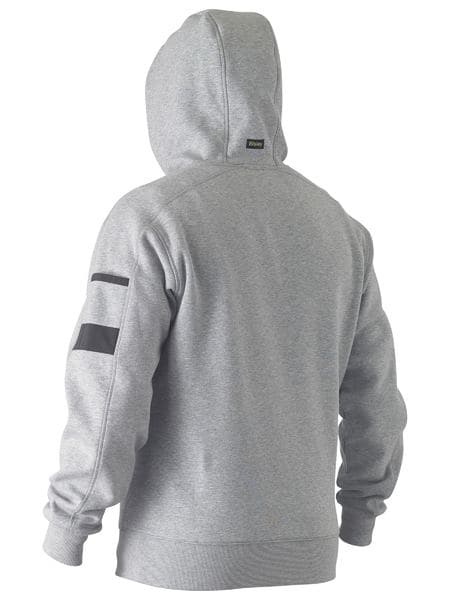
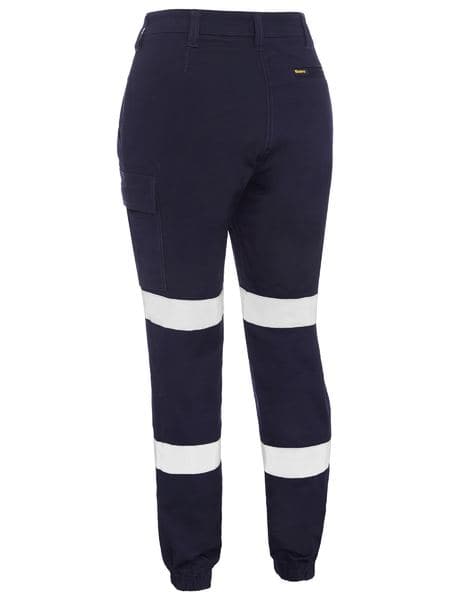
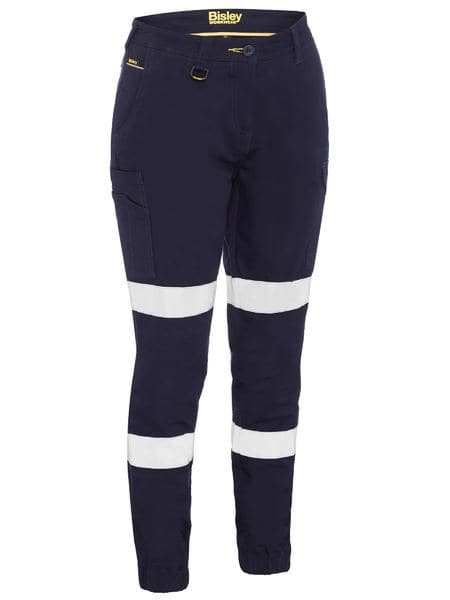
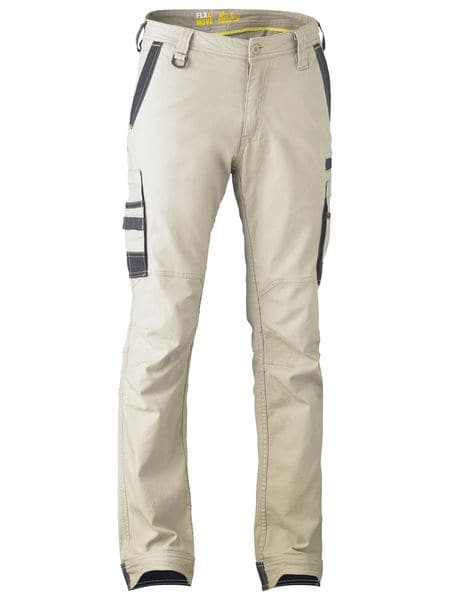
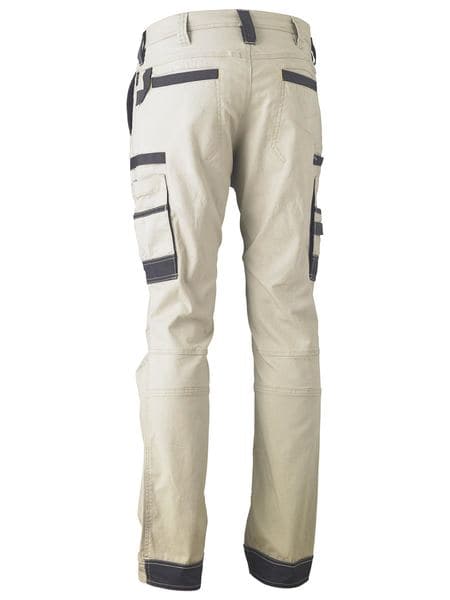
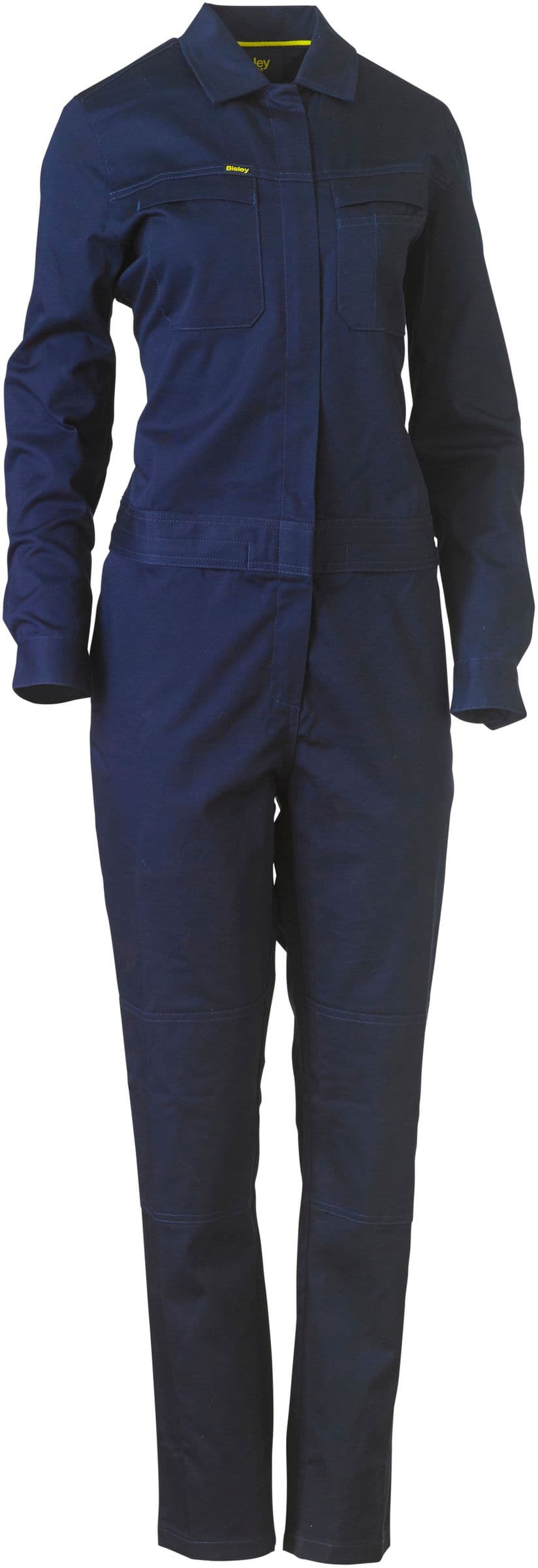
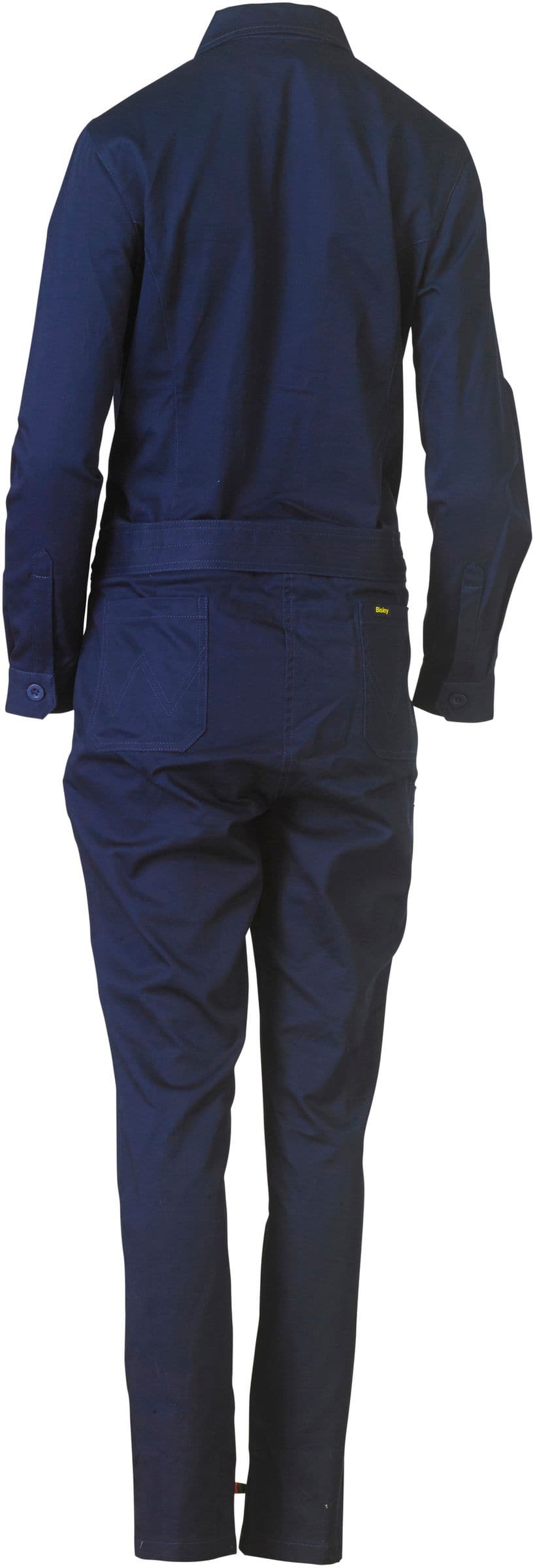
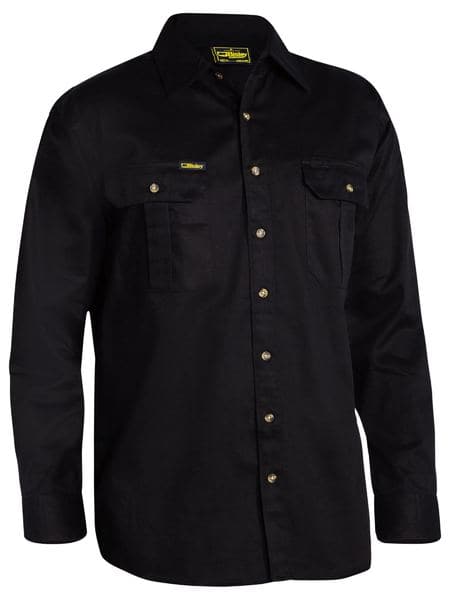
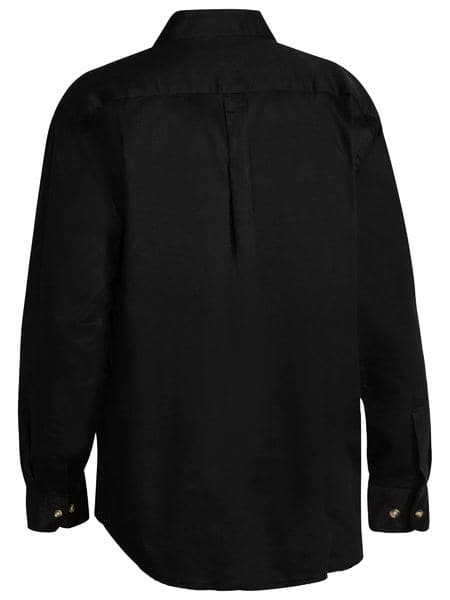
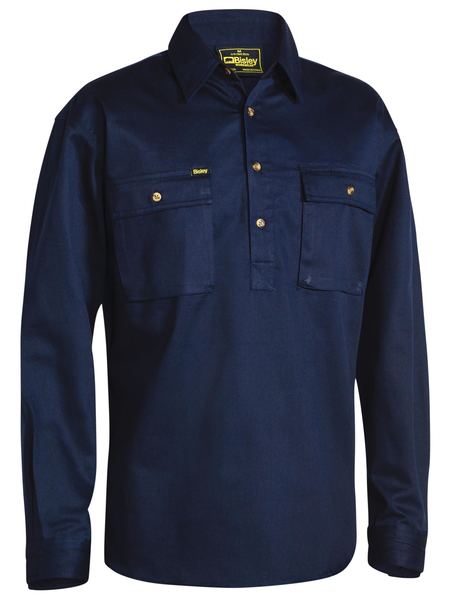
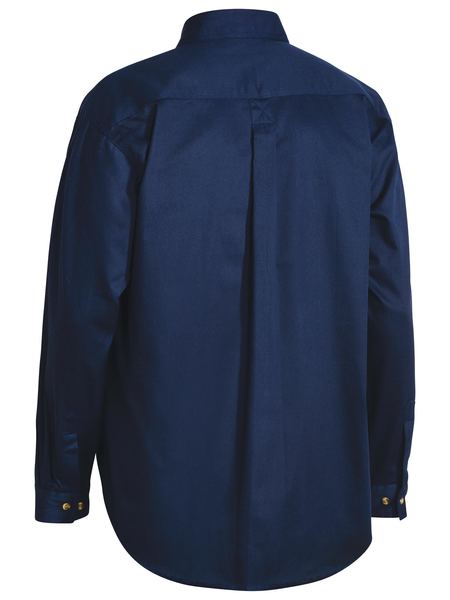
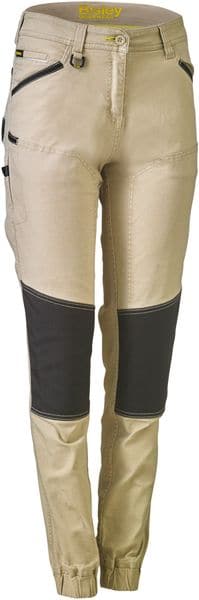
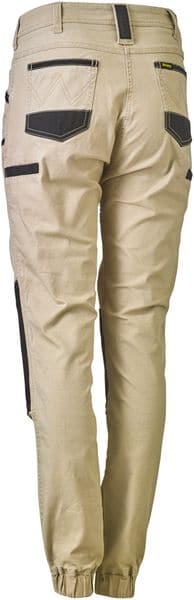
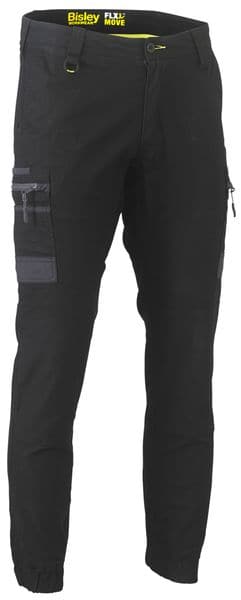
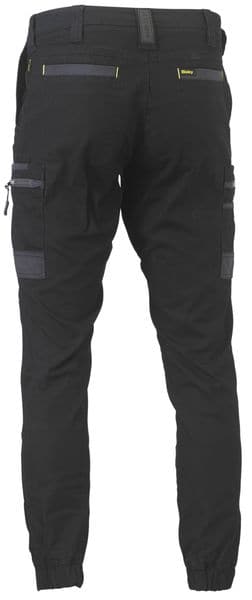
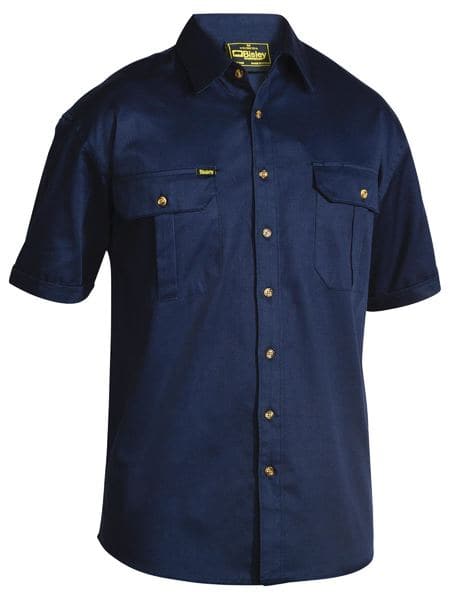
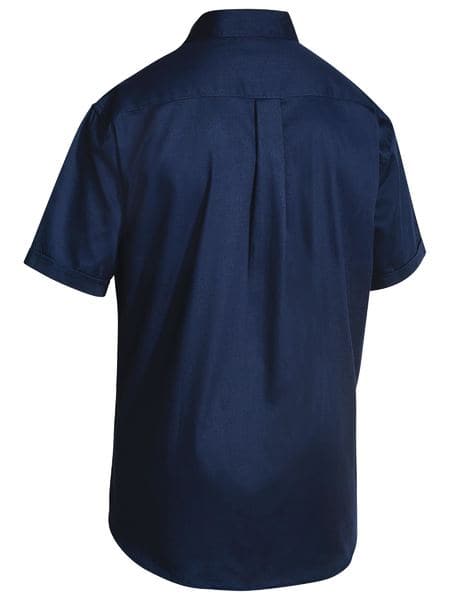
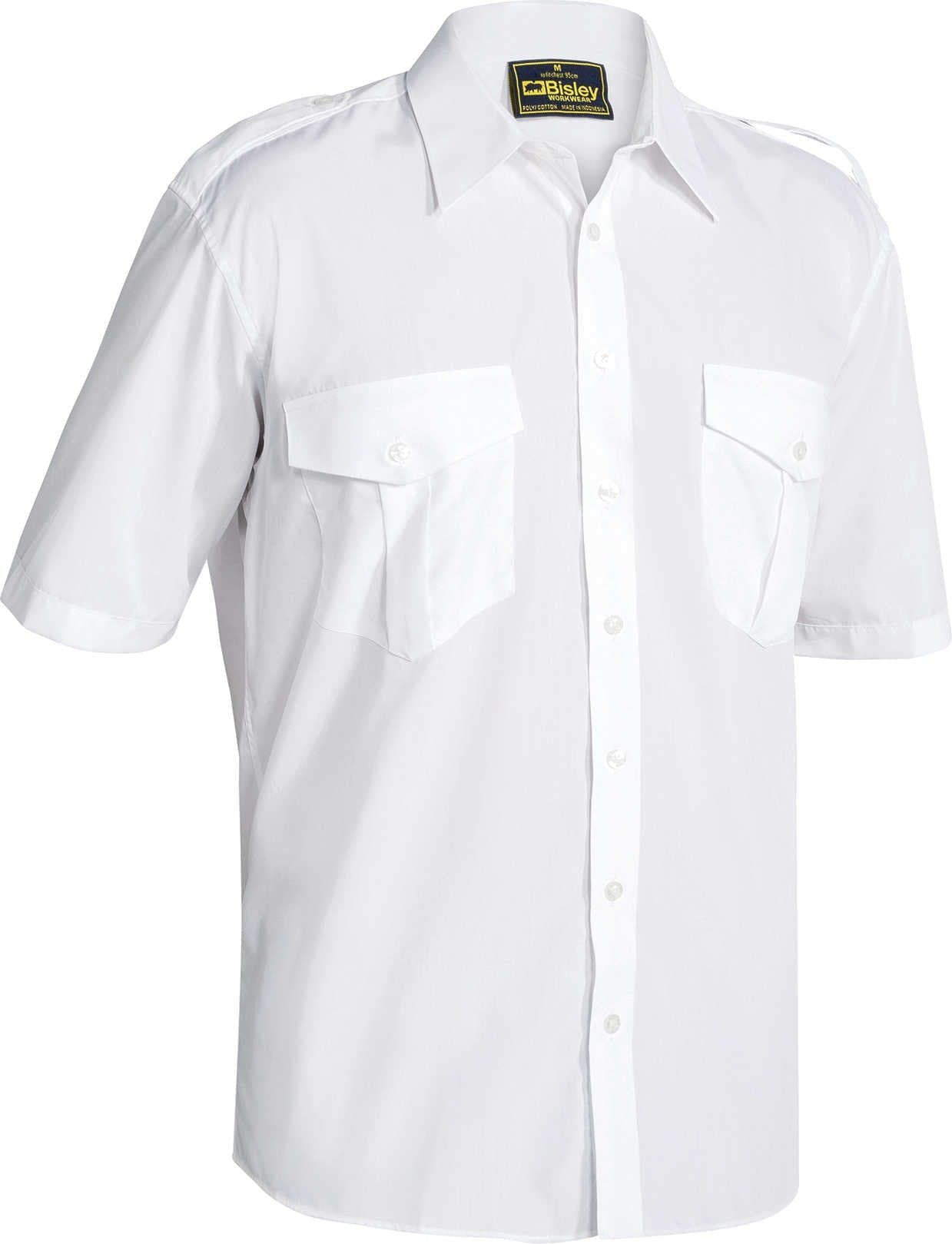
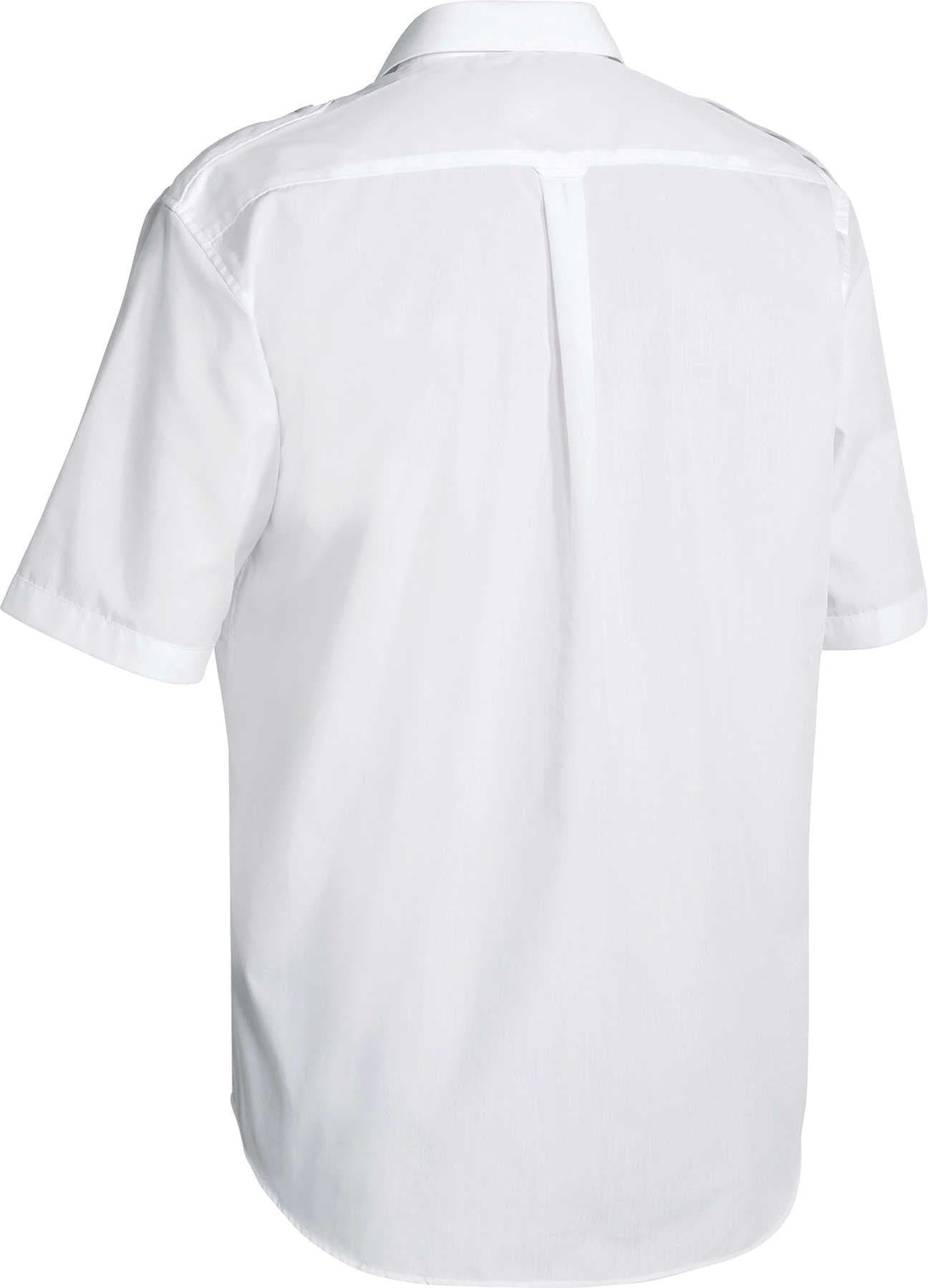
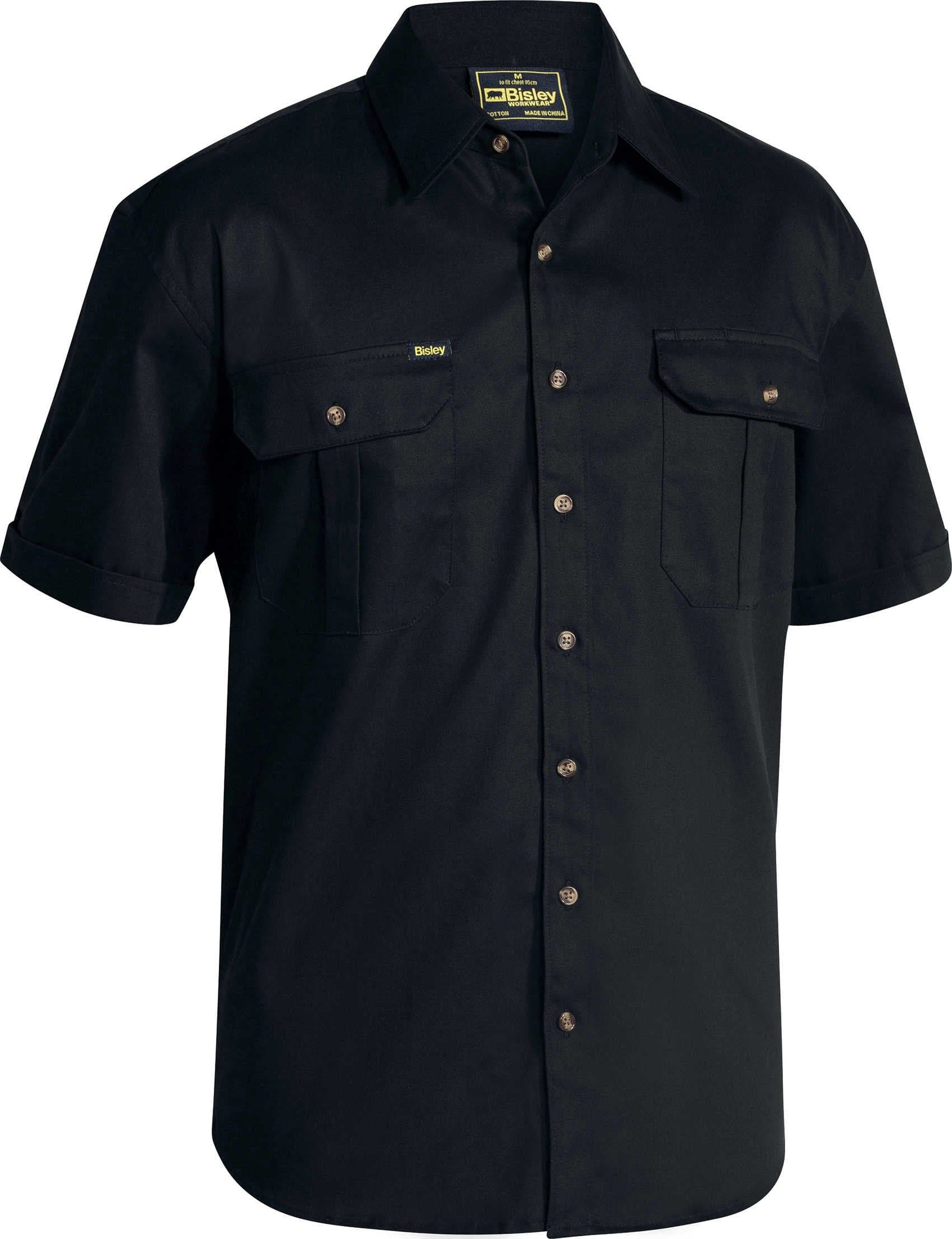
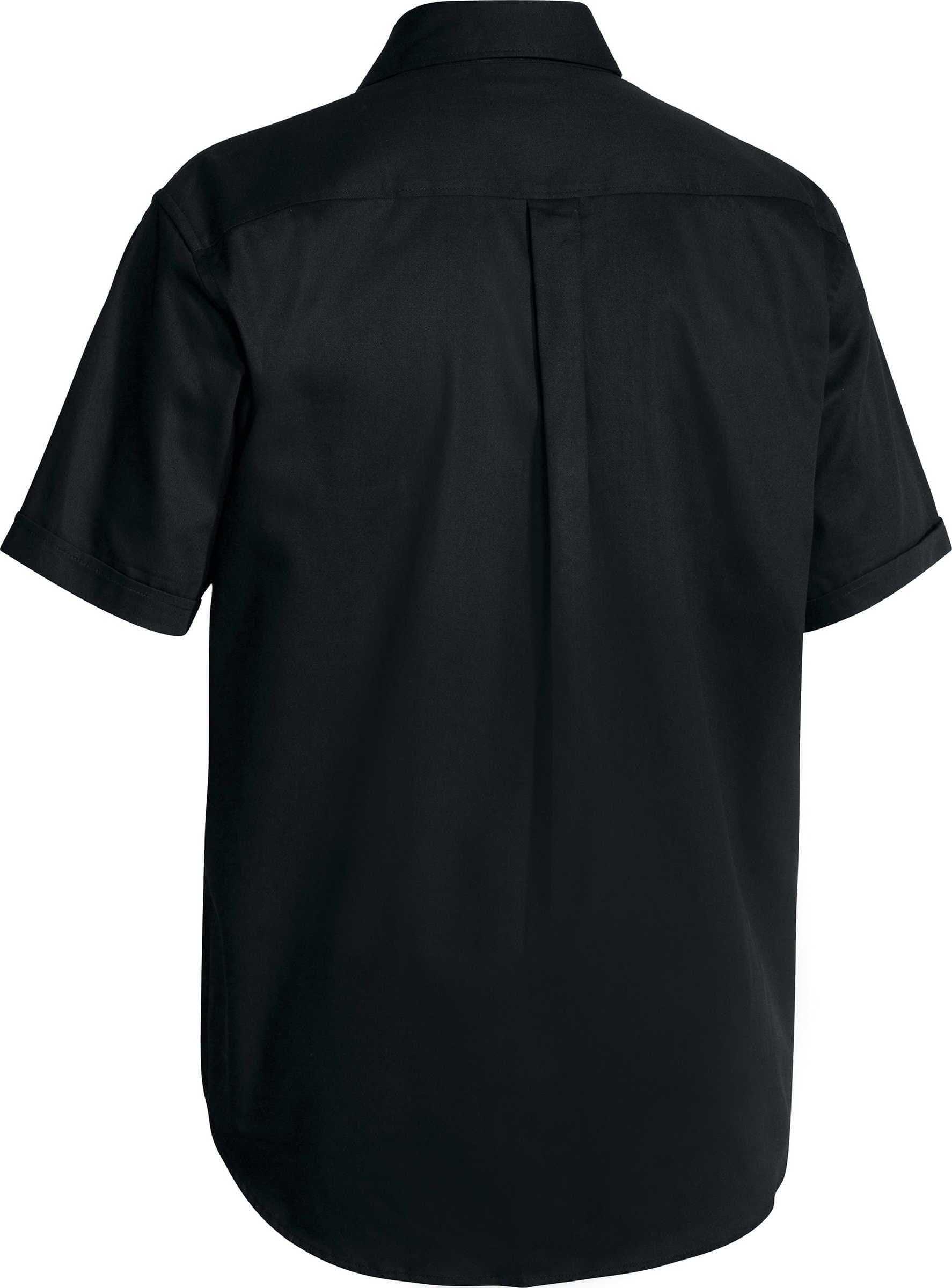
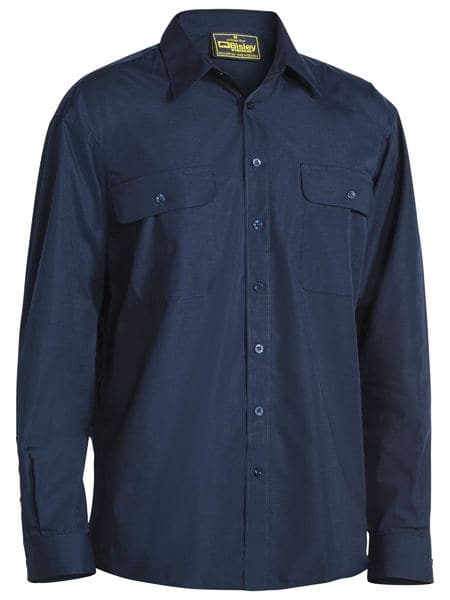
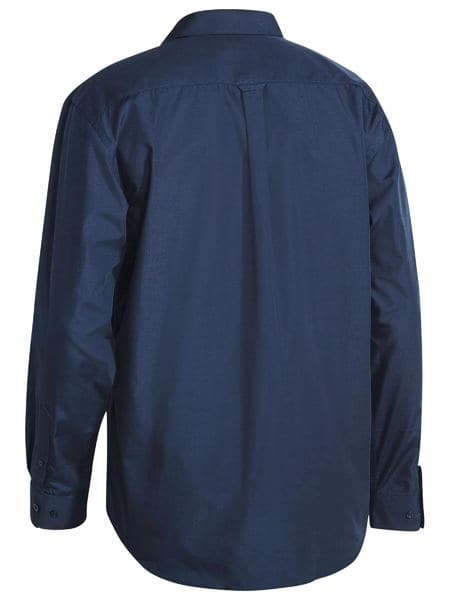
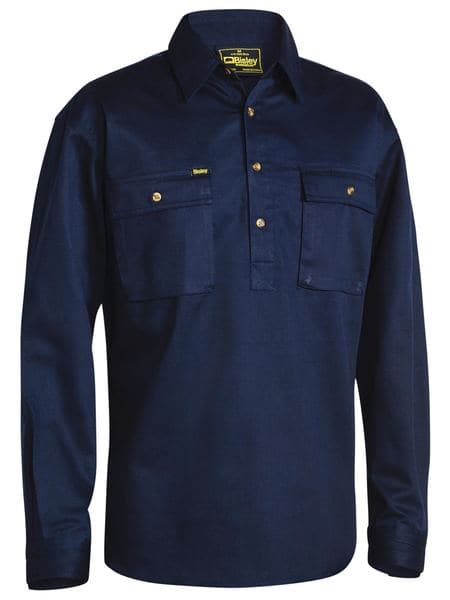
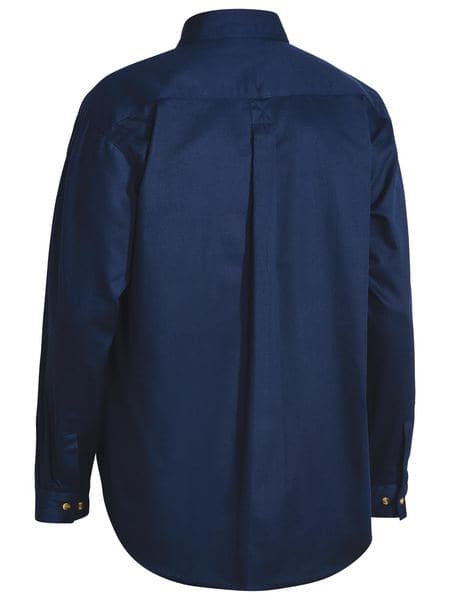
Carpentry is hard on clothing in an unglamorous way. There is no single dramatic hazard driving the wardrobe — it is kneeling on joists, a tool belt loaded all day, splinters and off-cuts, and weather, because a frame goes up whether or not it is raining.
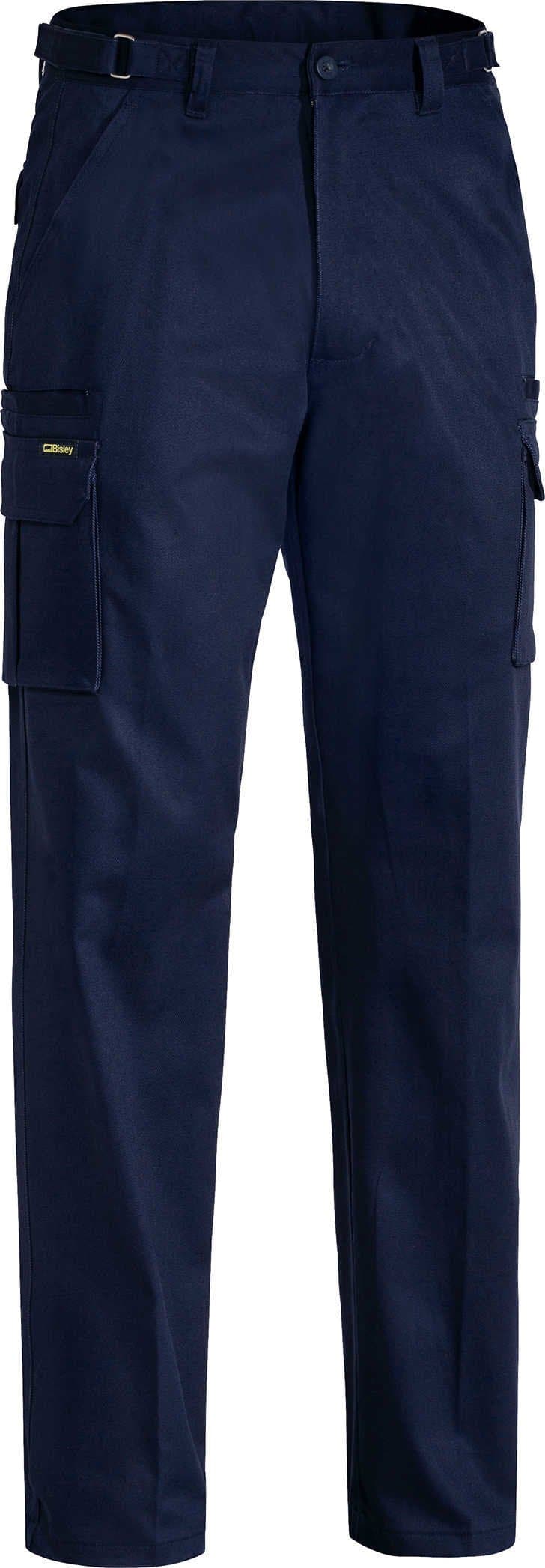
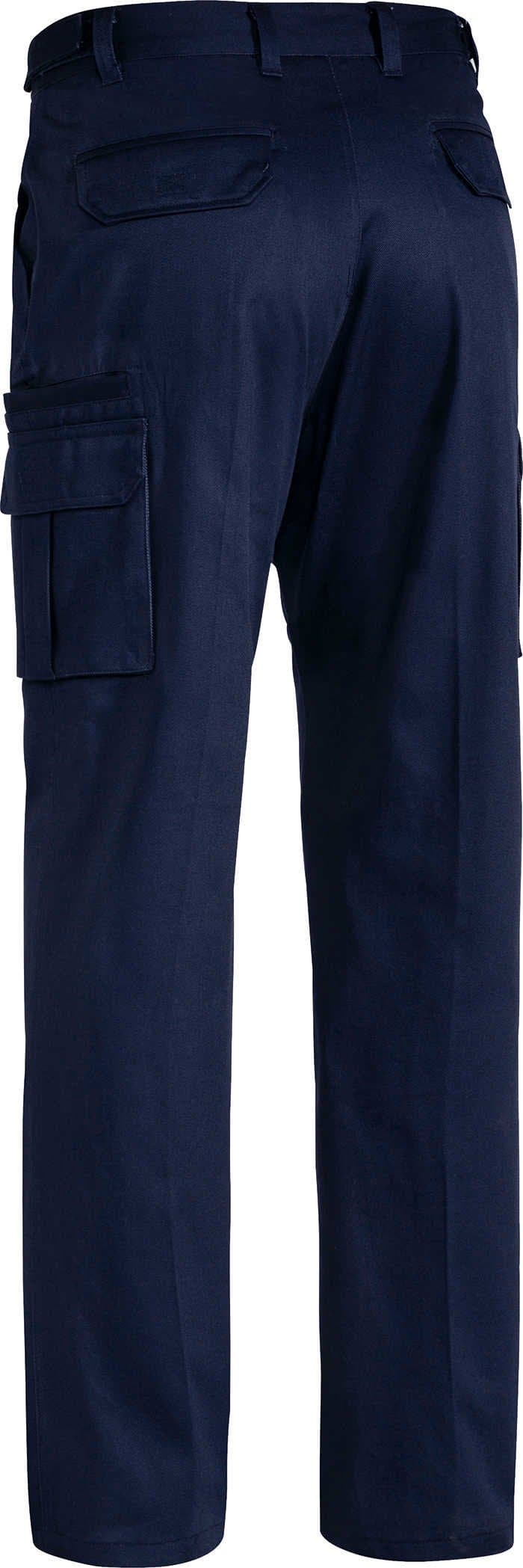
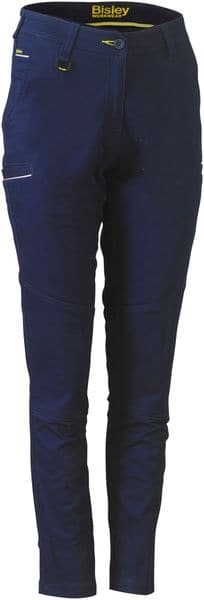
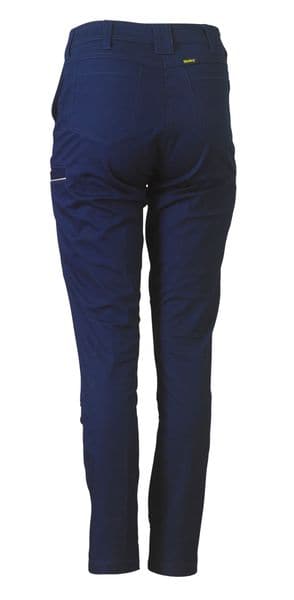
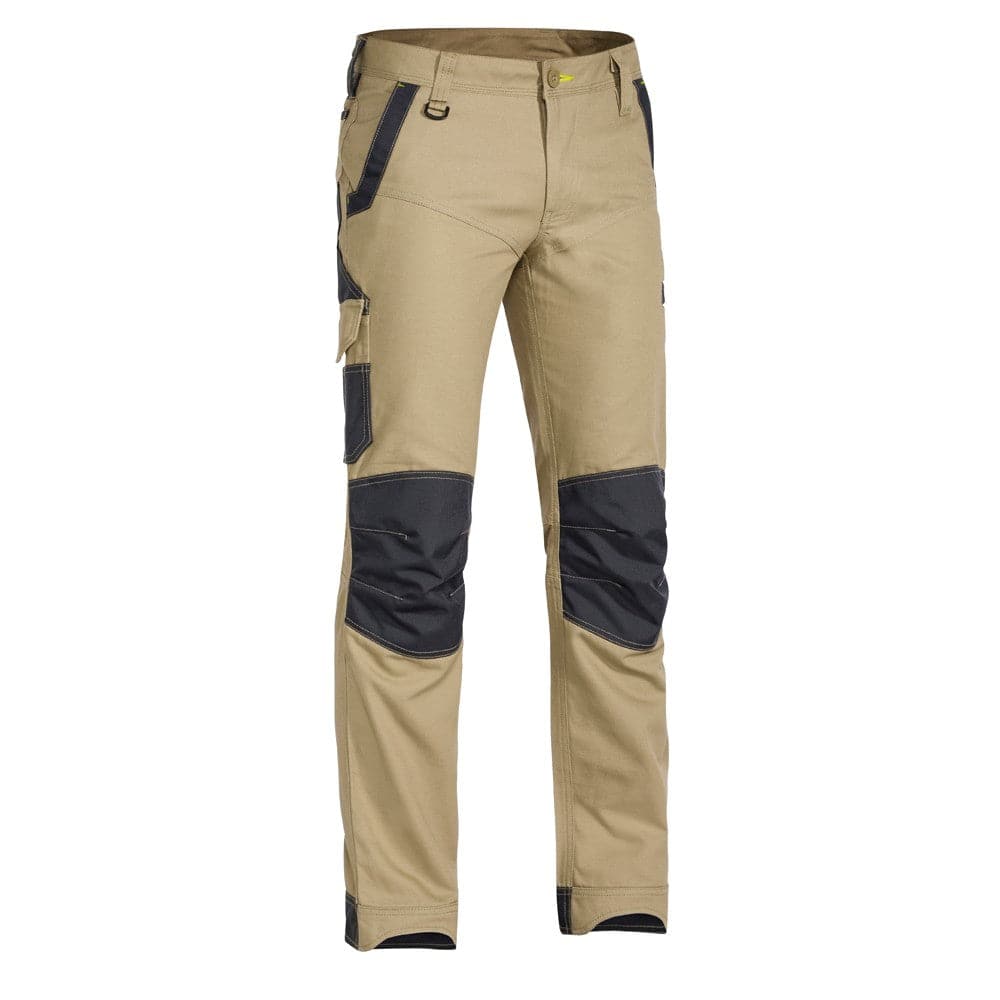
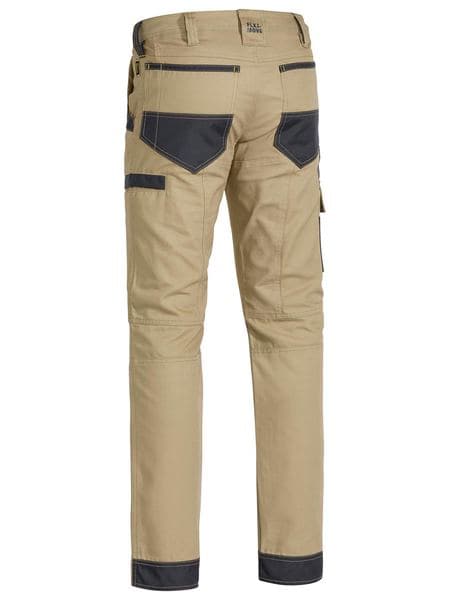
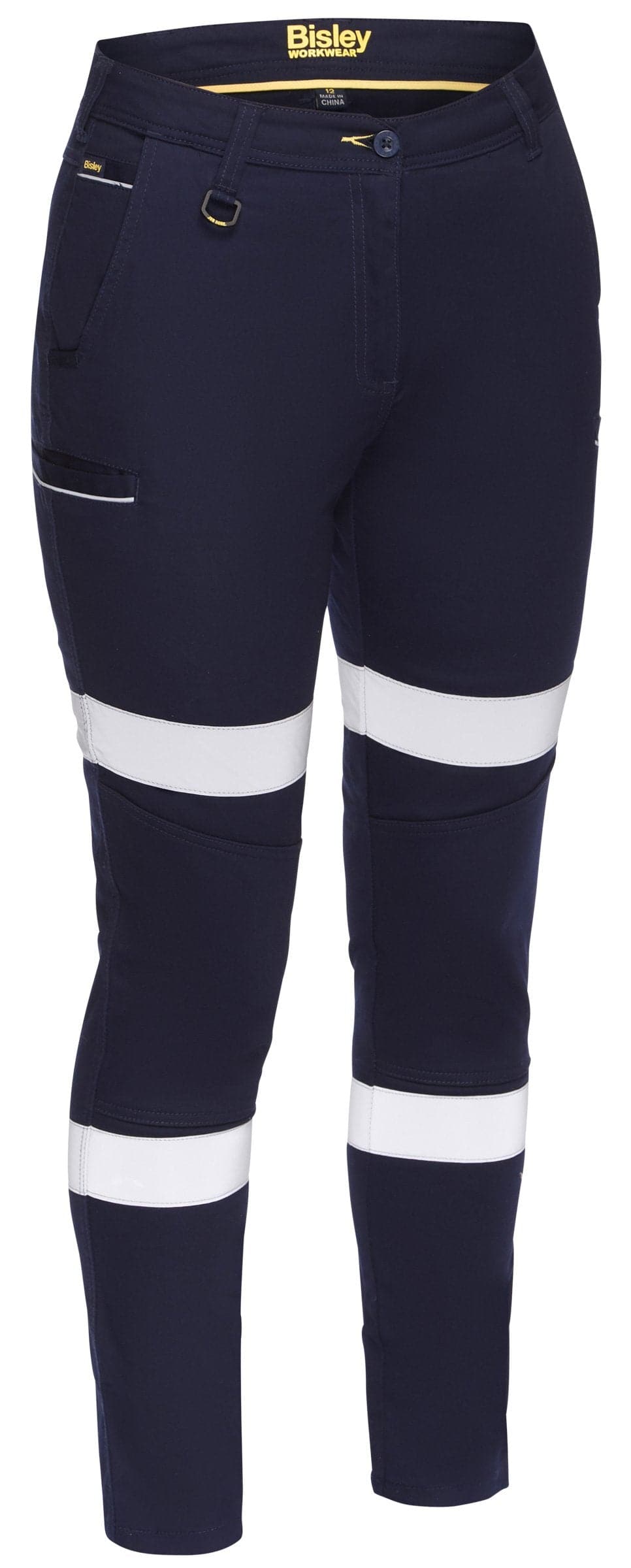
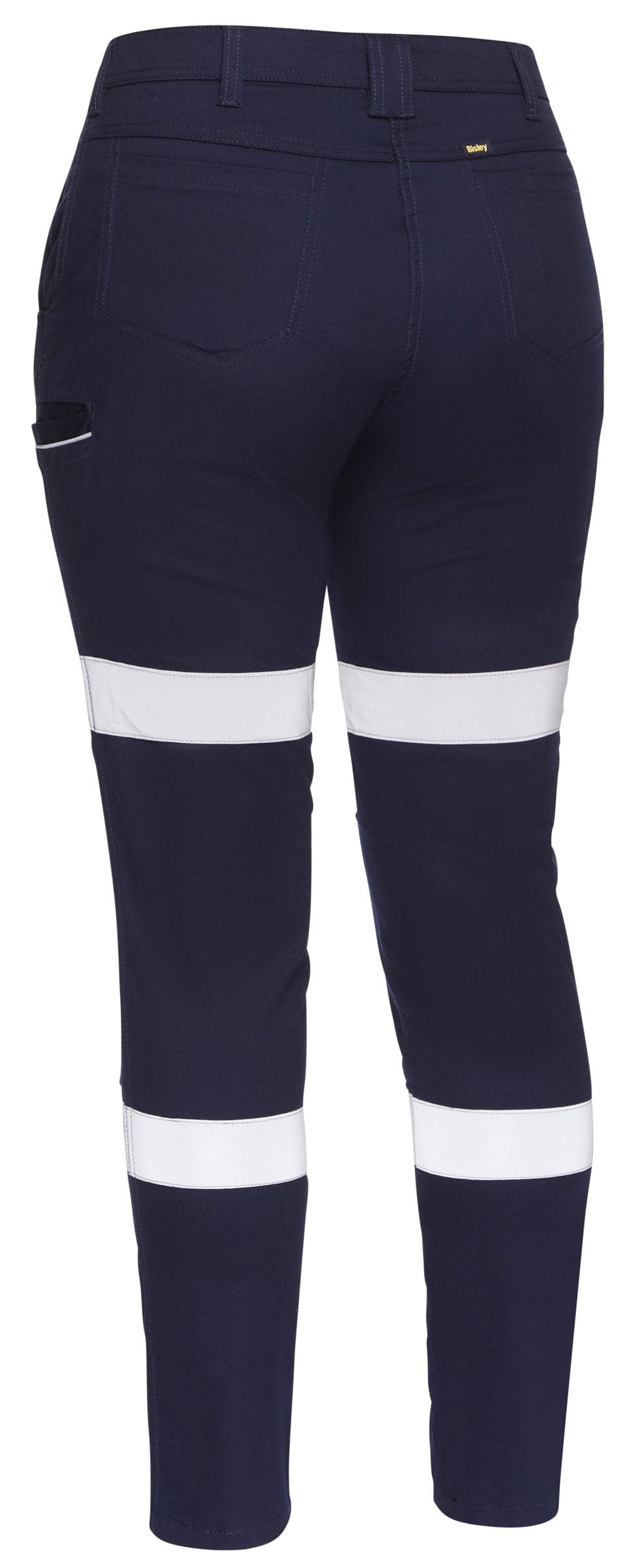
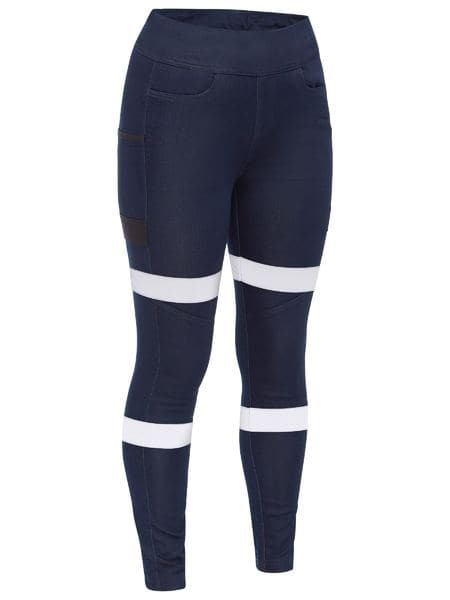
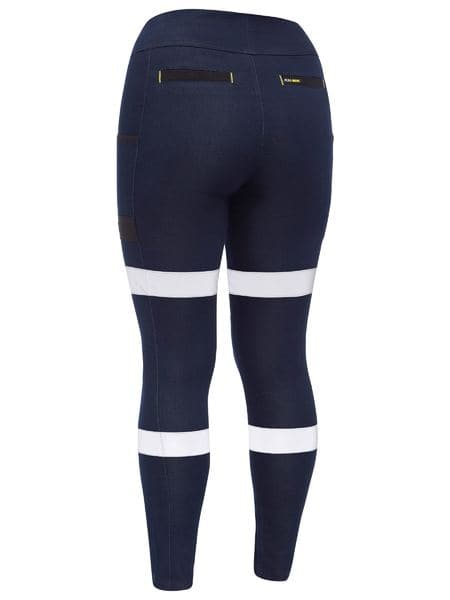
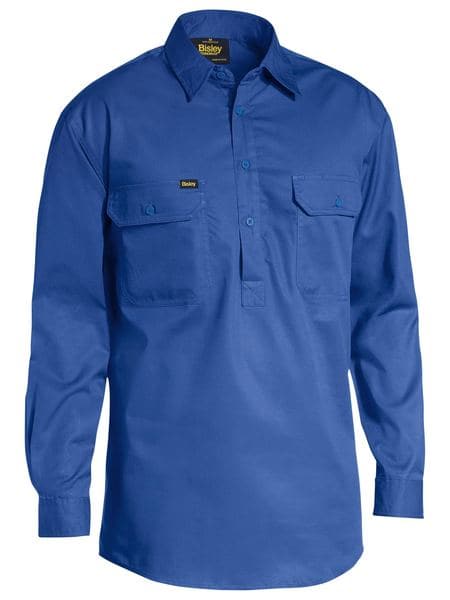
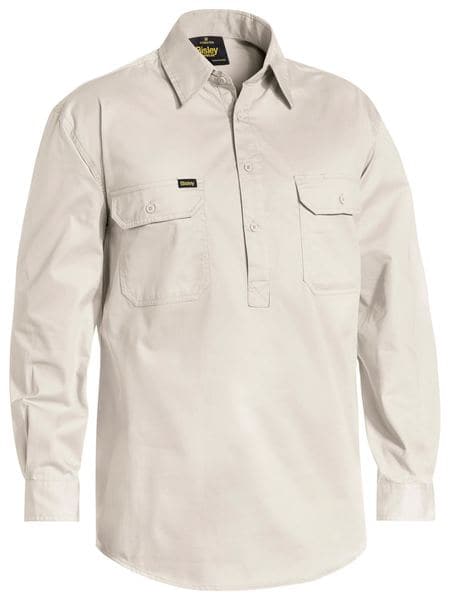
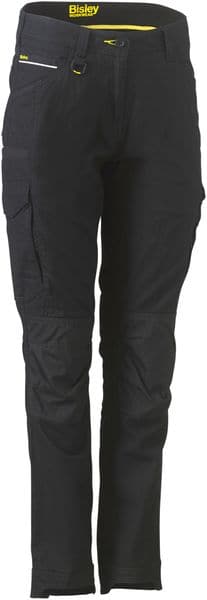
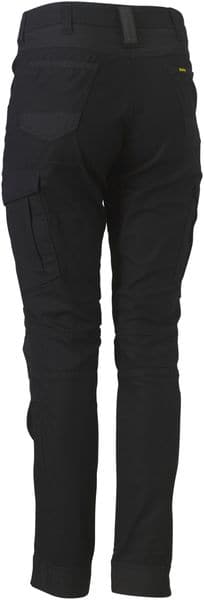
The range reflects that. Knee-reinforced pants and stretch panelling carry most of the load, because a chippy moves between kneeling, squatting and climbing constantly and a rigid pant is the thing that gives out first. Wet weather shells and lined jackets run deeper here than on the indoor trade pages, which is simply honest about the job: framing and roofing crews are outside in winter, and a bad jacket ends a day early. Hi vis is available for anyone on a commercial site, and there is a solid block of ventilated builds for summer.
You will notice this page carries almost no flame resistant clothing, and that is correct rather than an oversight. Carpentry has no general fire or arc requirement, and putting FR on this page would be selling protection against a hazard the trade does not have. If you are working alongside welders or on a site that specifies FR for everyone on the deck, buy from the flame resistant range directly. Otherwise spend the money on the things that actually fail on a carpenter: knees, pockets and a jacket that holds out.
Movement and knee protection, in that order. Carpentry involves a lot of squatting, kneeling and climbing, so a stretch panel through the hip and thigh makes a genuine difference to a full day, and a shaped or double-layered knee is where trousers survive or fail.
A divided utility pocket that actually holds a pencil, rule and phone separately is worth more than a larger number of undivided pockets.
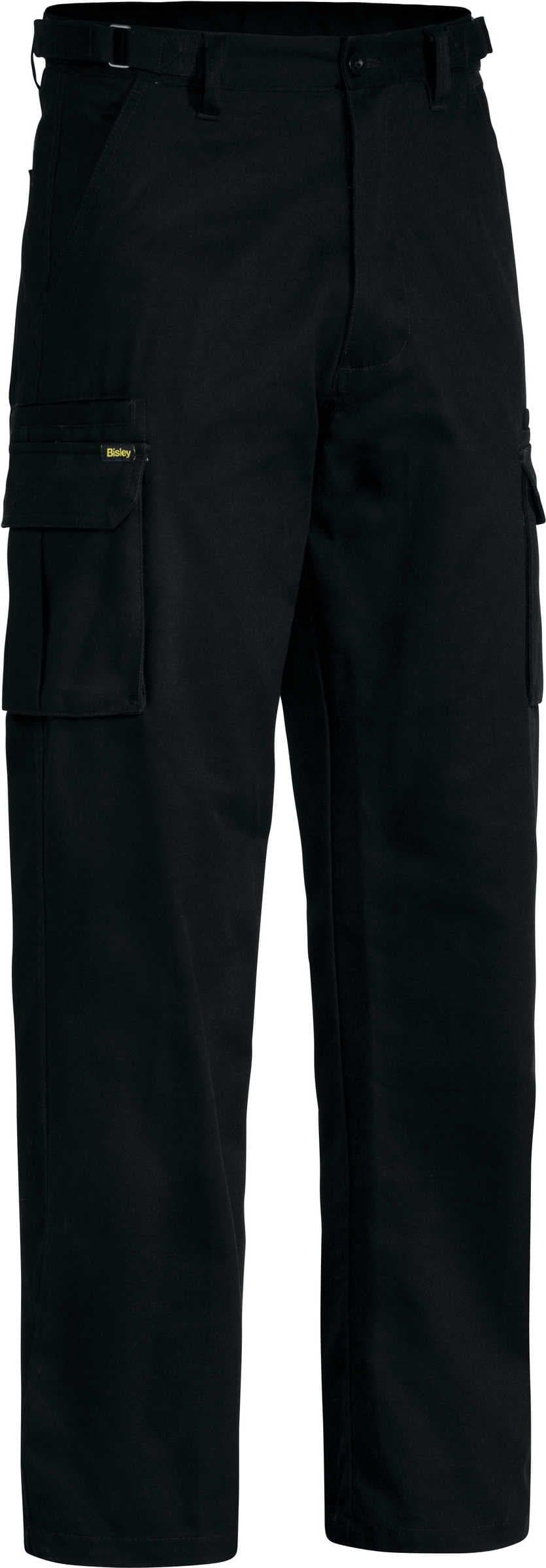
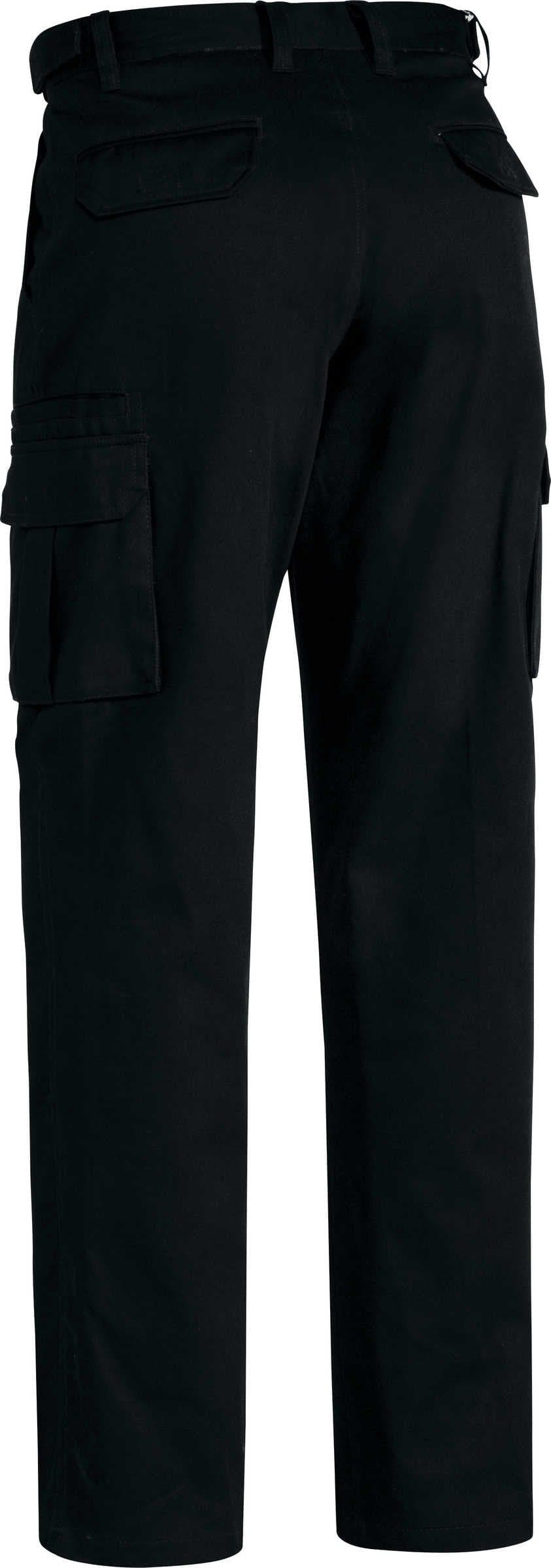
Are cargo pockets worth it for carpentry?
If you carry fixings and small tools on you rather than in a belt, yes. If you wear a tool belt, cargo pockets mostly add bulk where the belt sits and catch on materials you are carrying.
It is worth deciding this before buying rather than defaulting to cargo, because it is the single biggest difference between two pants that otherwise look identical.
What fabric weight suits carpentry?
Around 310gsm cotton drill is the traditional Australian work weight and it is hard to wear out. Lighter fabrics and stretch blends are cooler and move better but abrade faster at contact points.
The honest answer is that it depends on whether your gear dies from abrasion or from you not wanting to wear it in February. Both are real failure modes.
Recently viewed
Free Shipping
Order over $200 and the order ships free, Australia wide.
Established 1990
We know how to take care of our customers.
Top-Notch Support
Need a hand or have a question? Don't hesitate to reach out.
Save Upto 15%
The more you add, the more you save. Buy in bulk and take 15% off.
Opens in a new window.
Total
You saved !
You are eligible for free shipping!
Spend more and get free shipping!
Bisley Fit Protect
Shipping protection switch
If your item does not fit right - ship your item back to us for FREE and opt for an exchange or store credit. Excludes 'final sale' items.
Gifting has never been easier
Perfect if you're short on time or are unable to deliver your gift yourself. Enter your message and select when to send it.