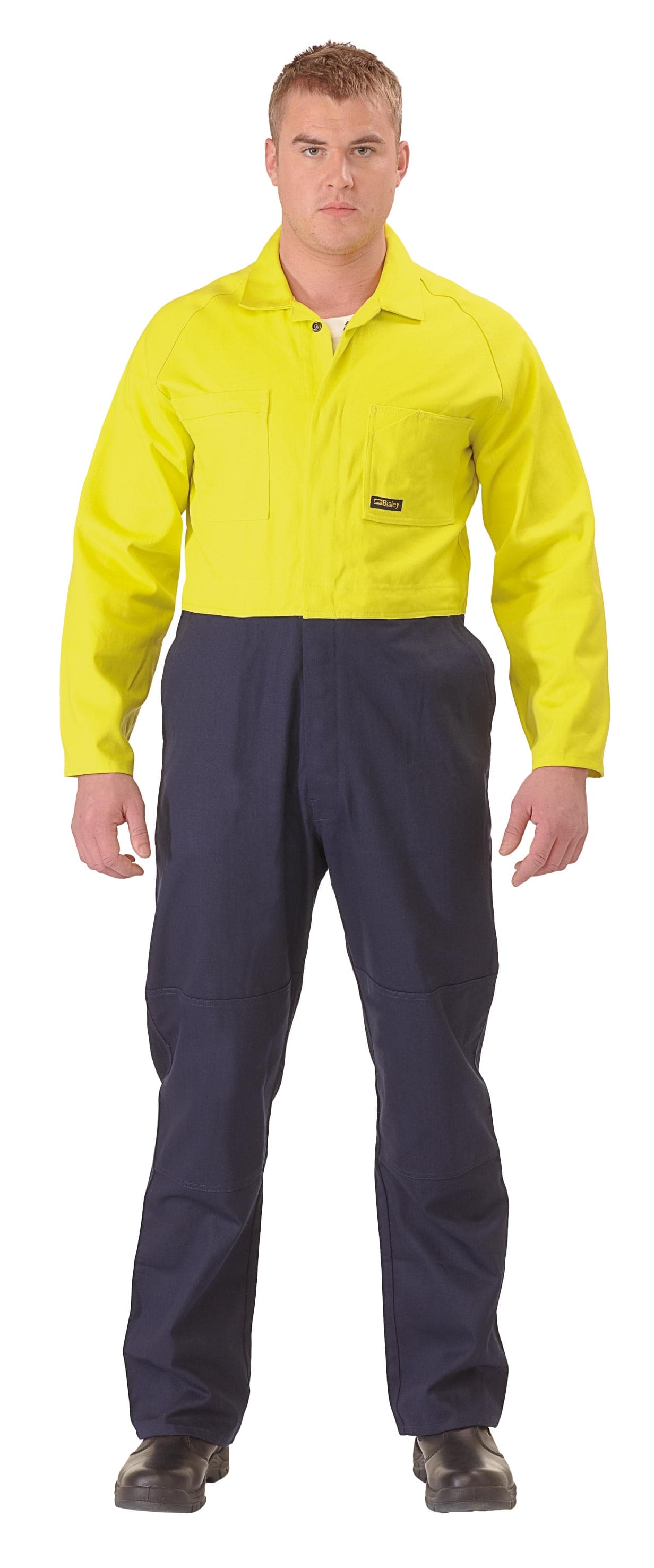
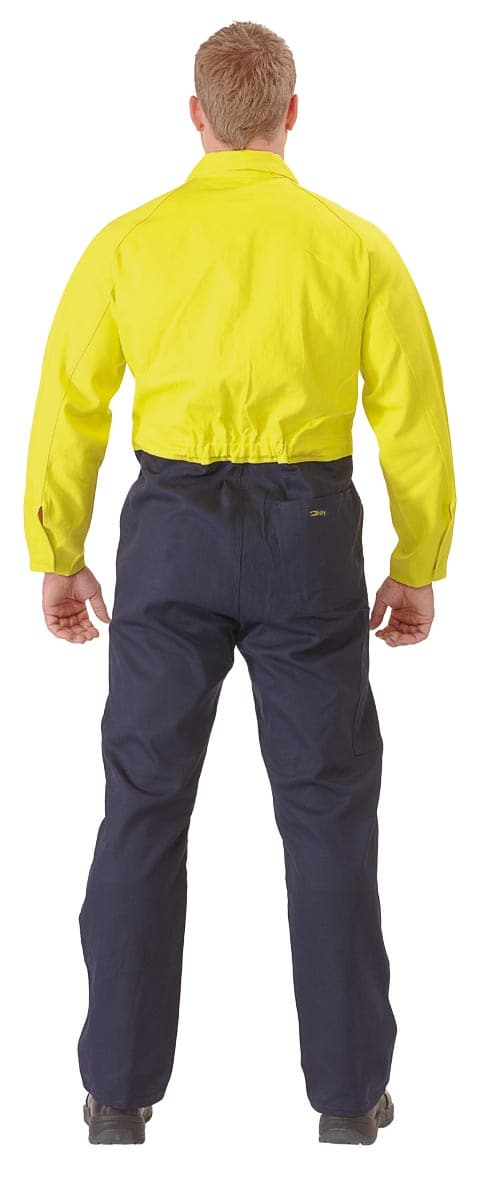
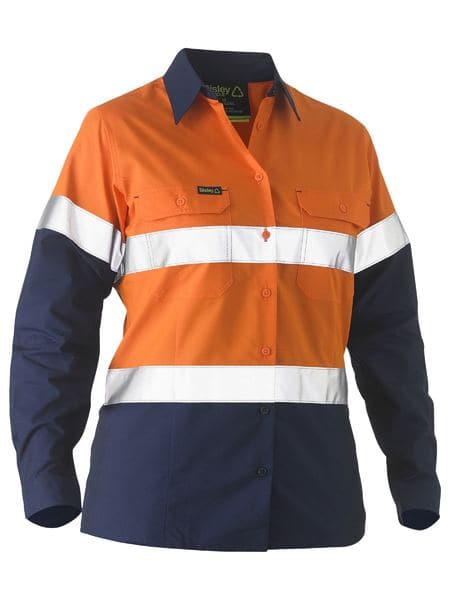
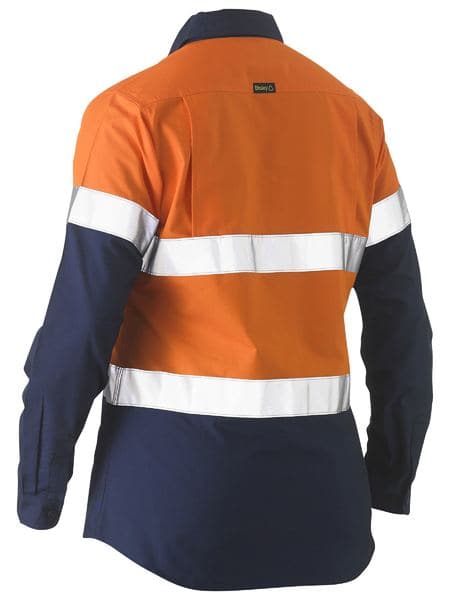
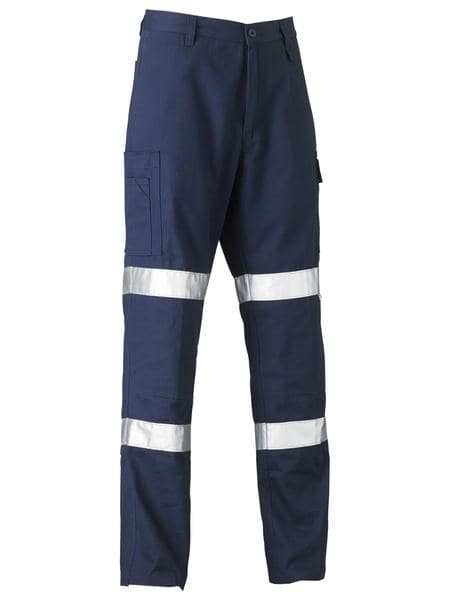
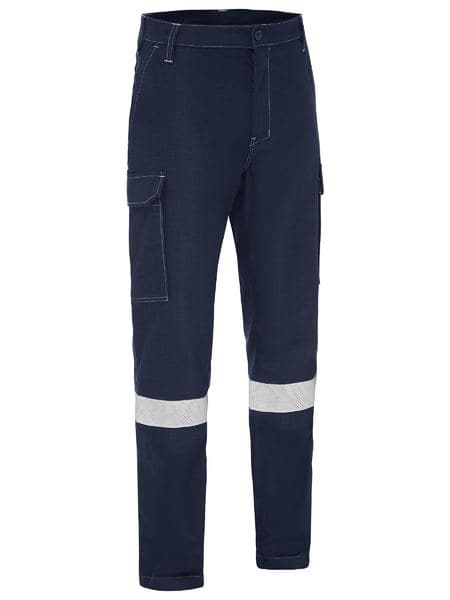
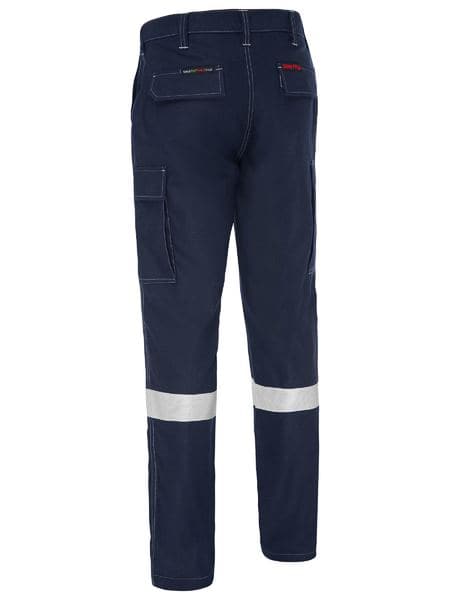
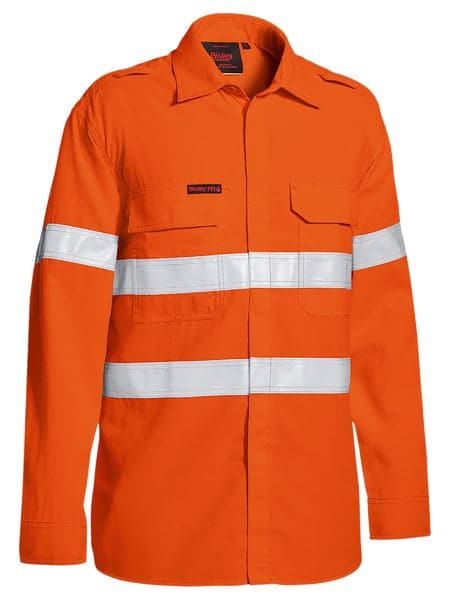
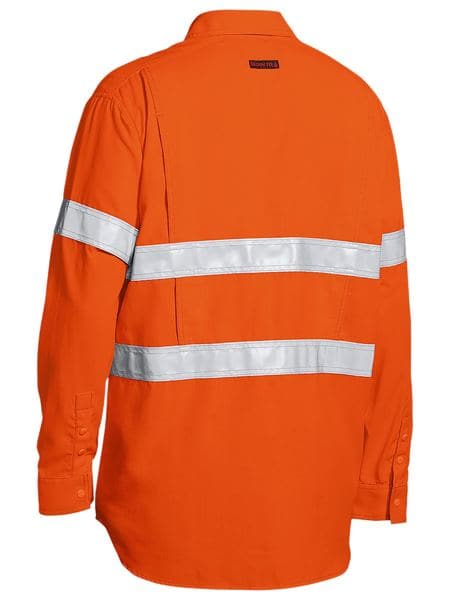
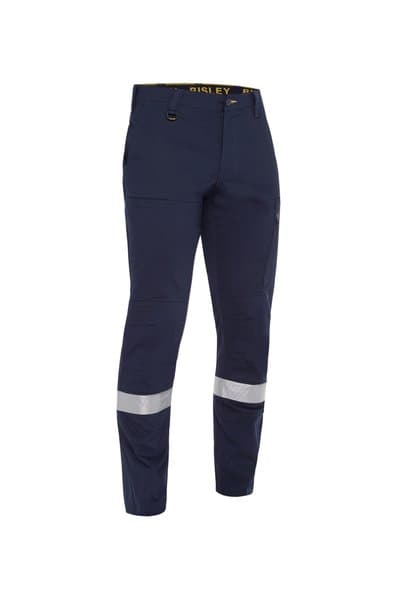
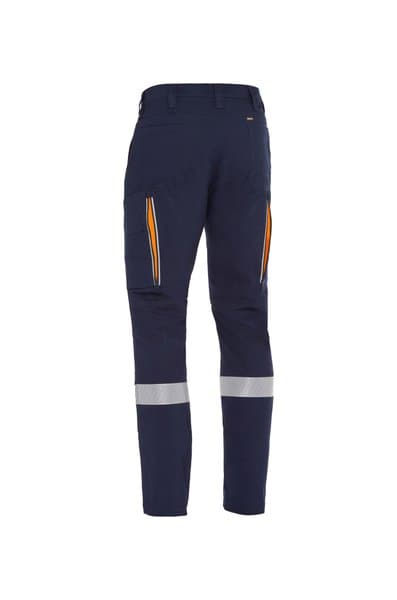
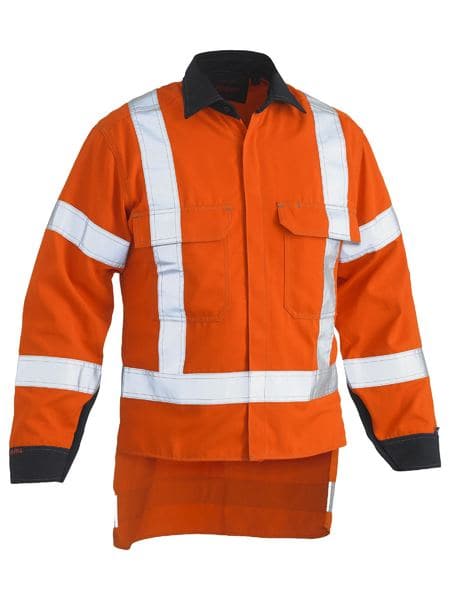
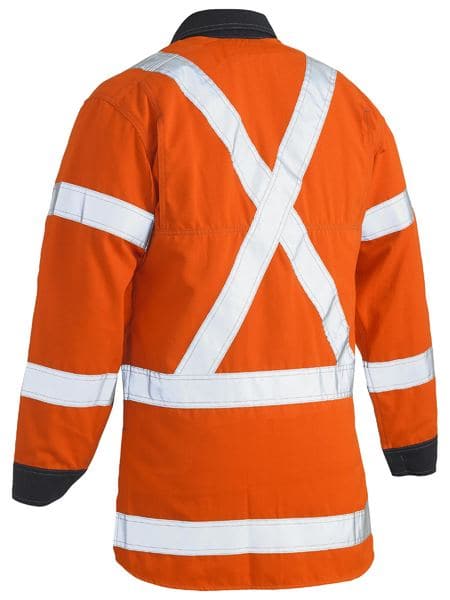
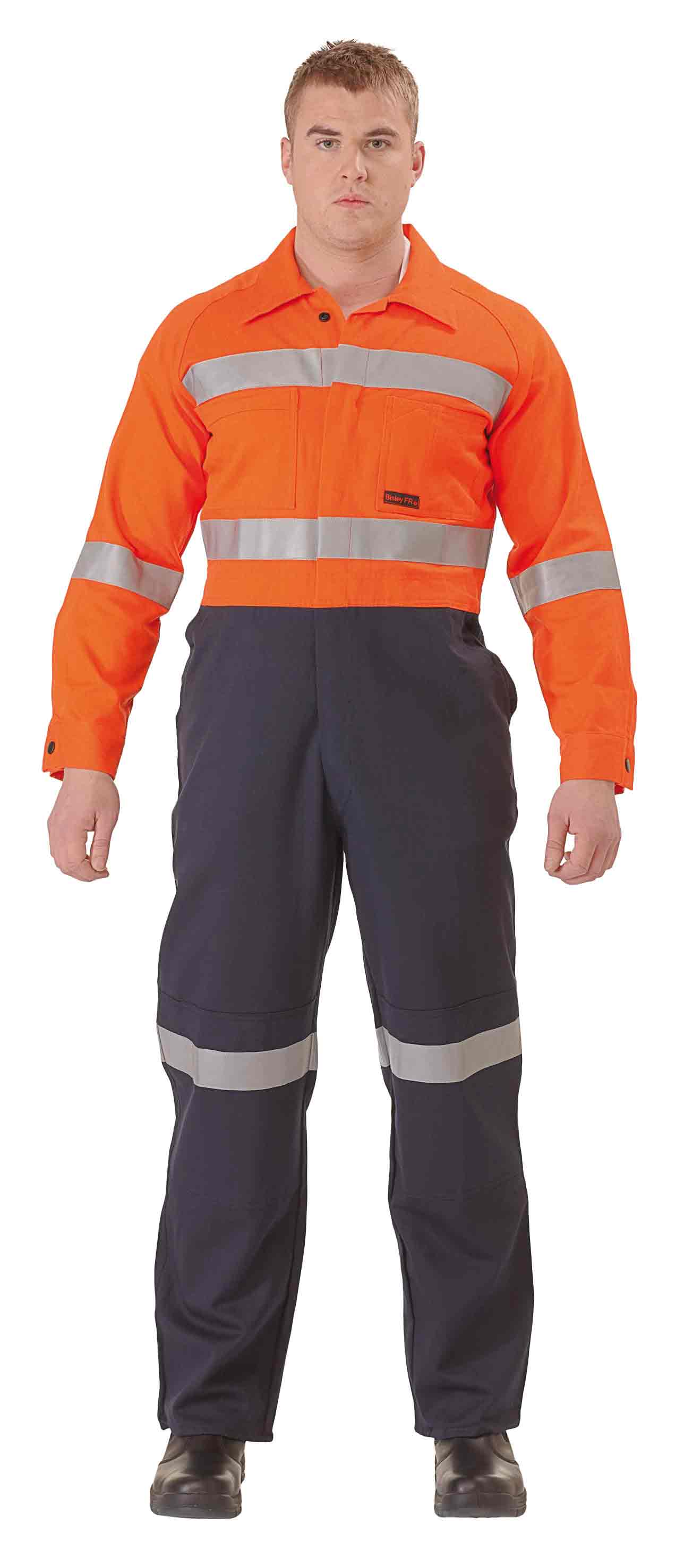
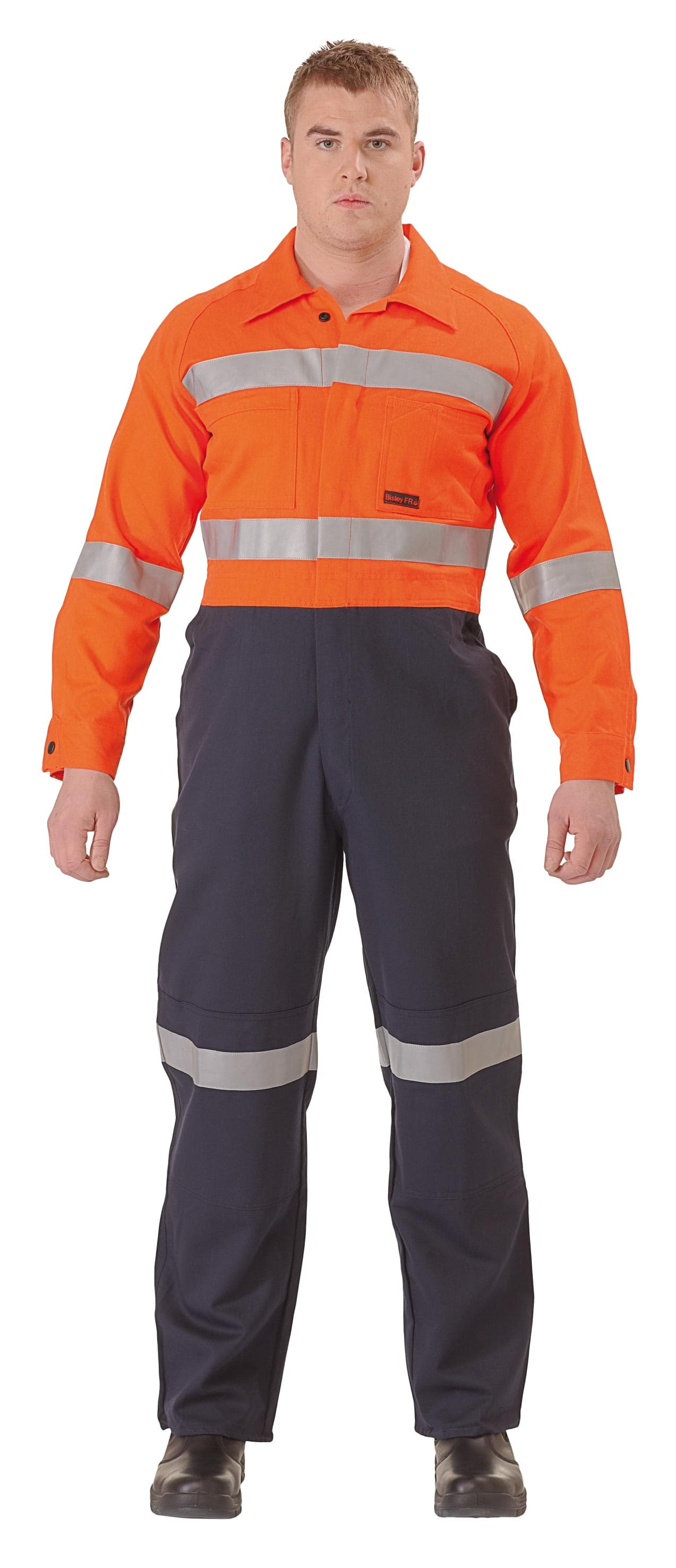
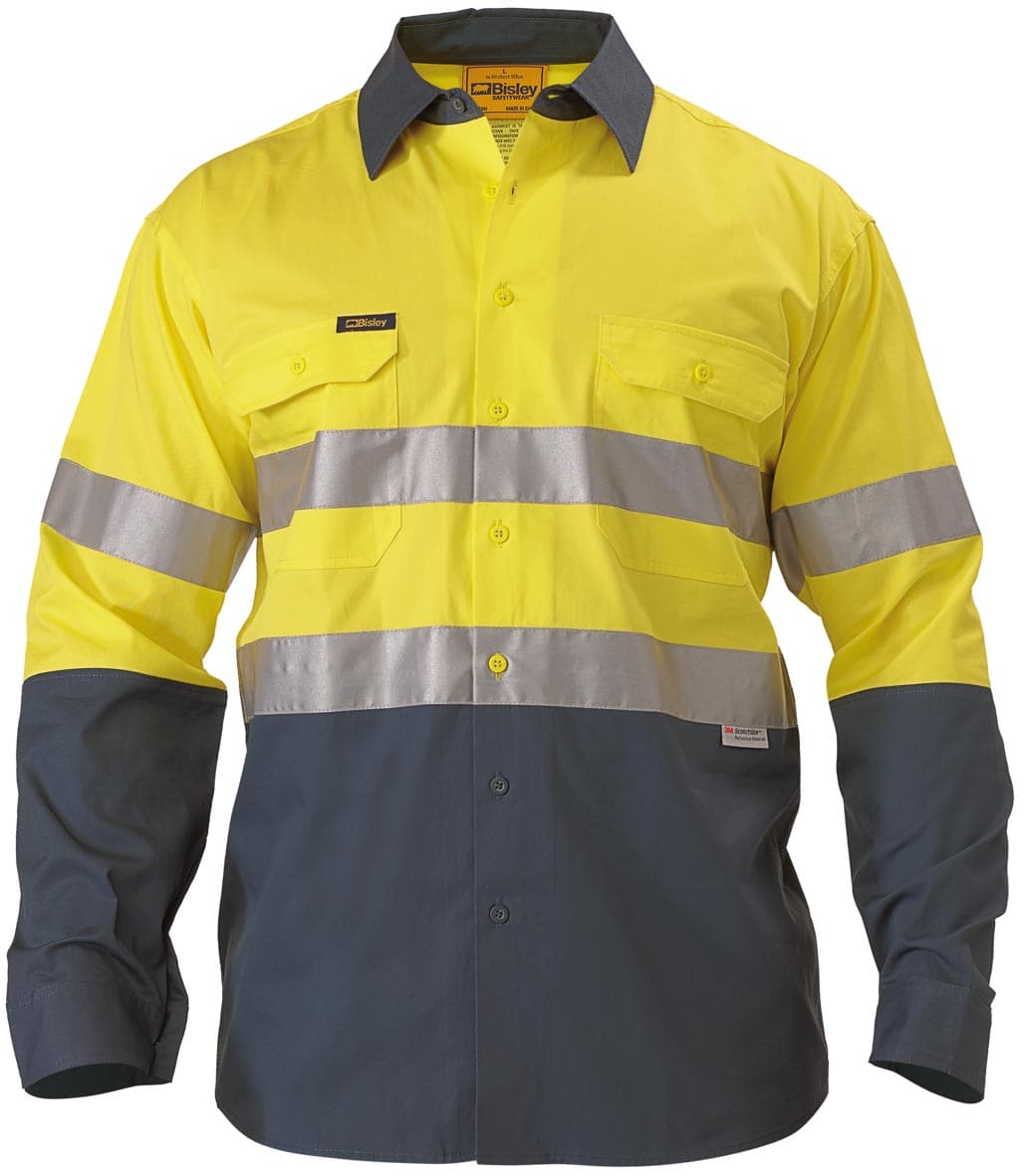
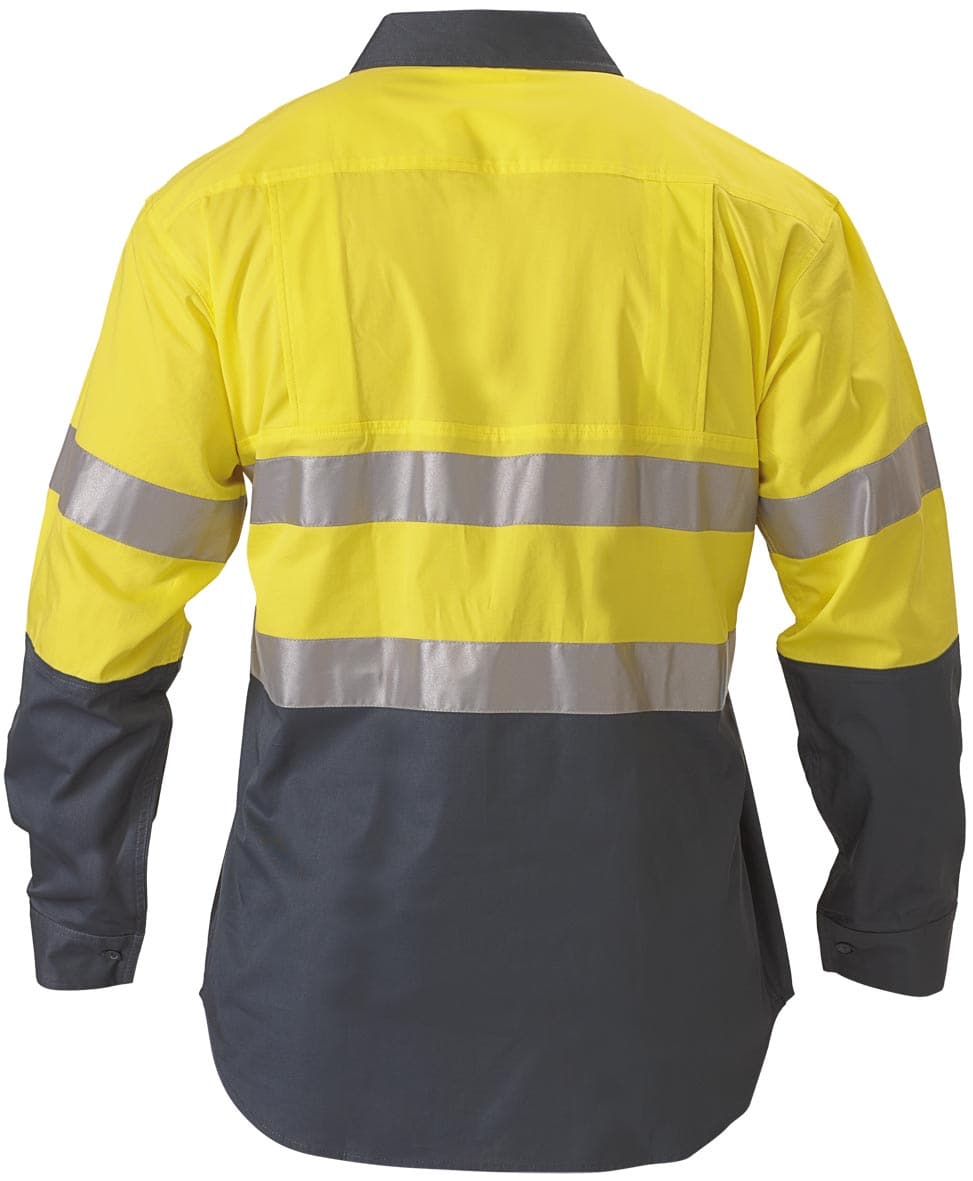
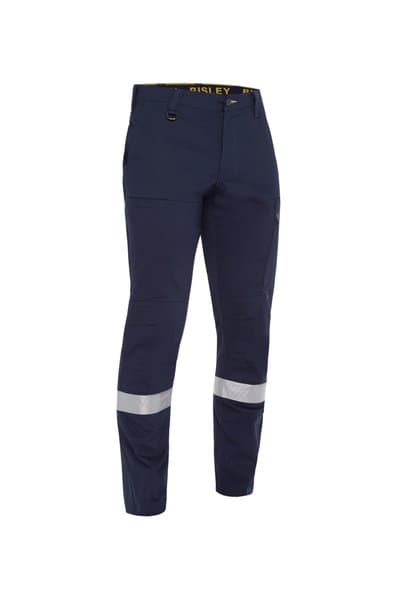
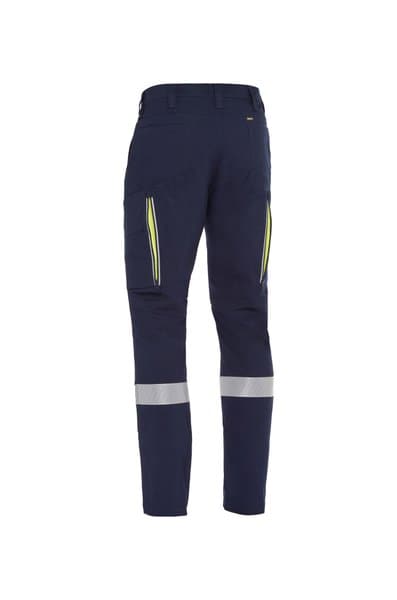
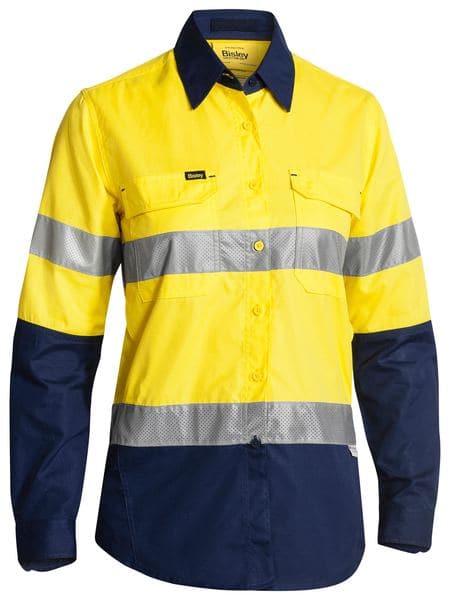
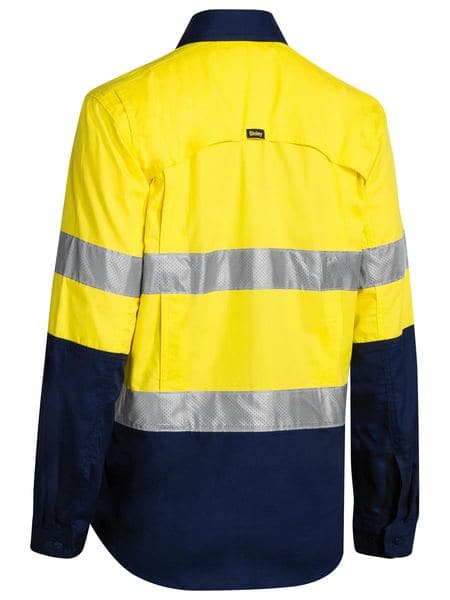
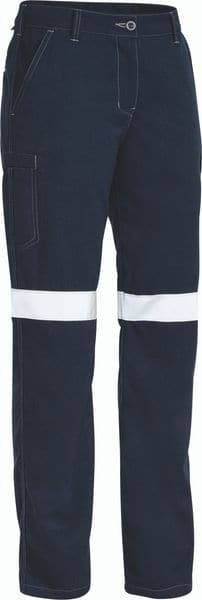
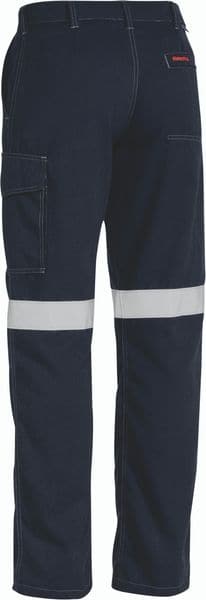
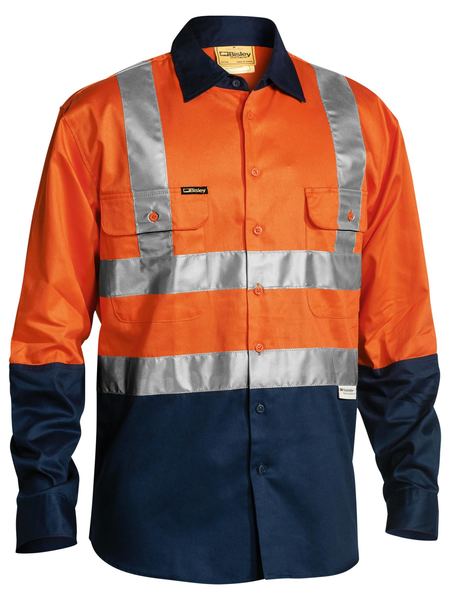
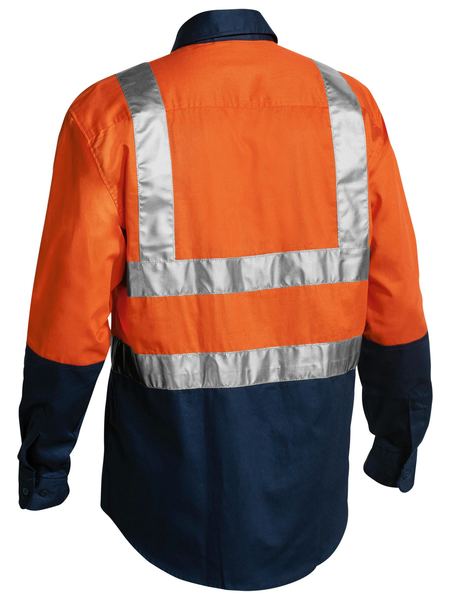
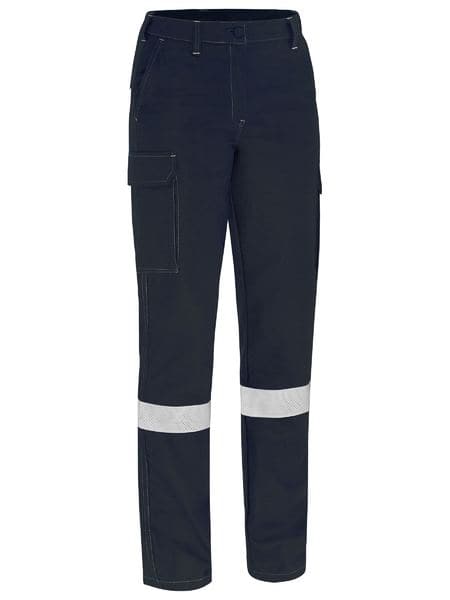
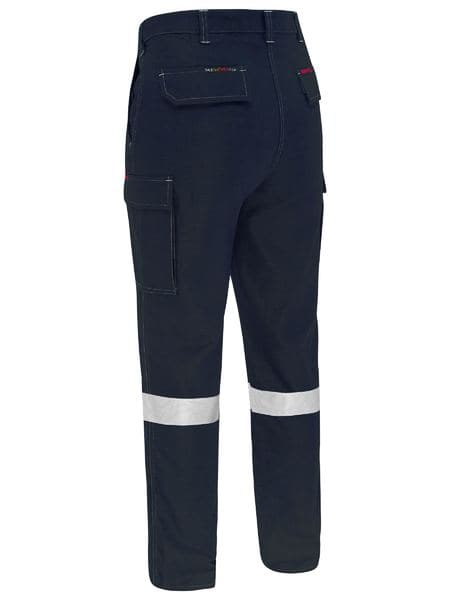
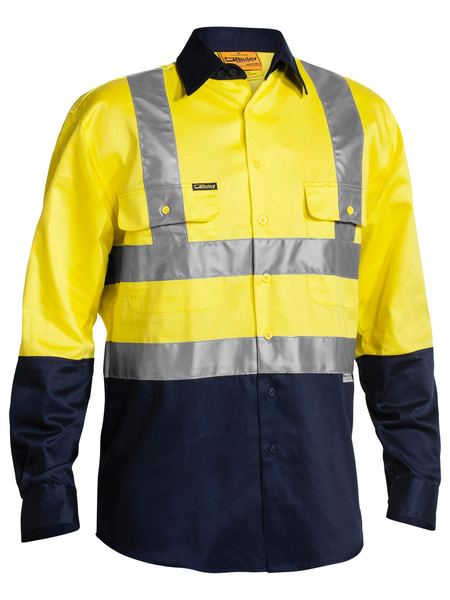
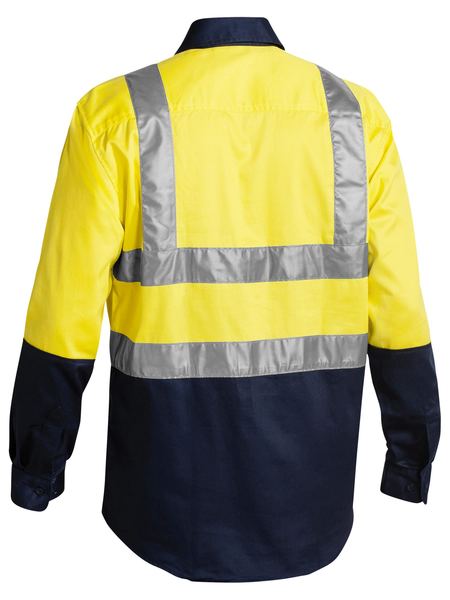
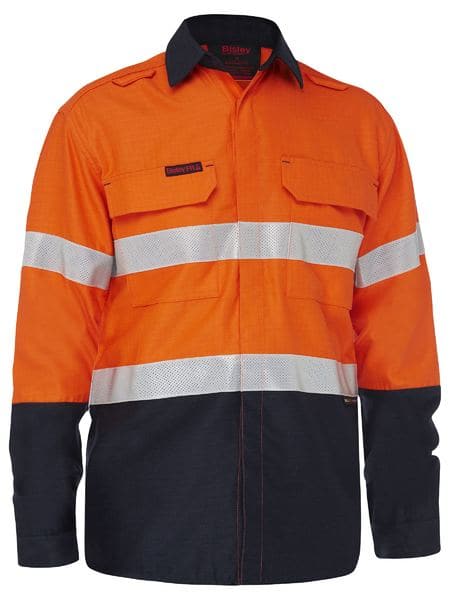
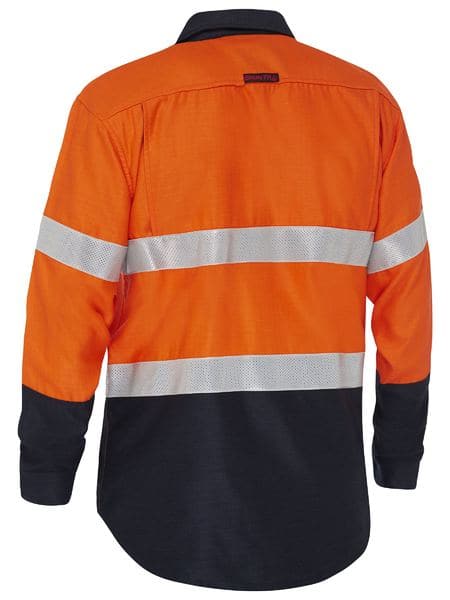
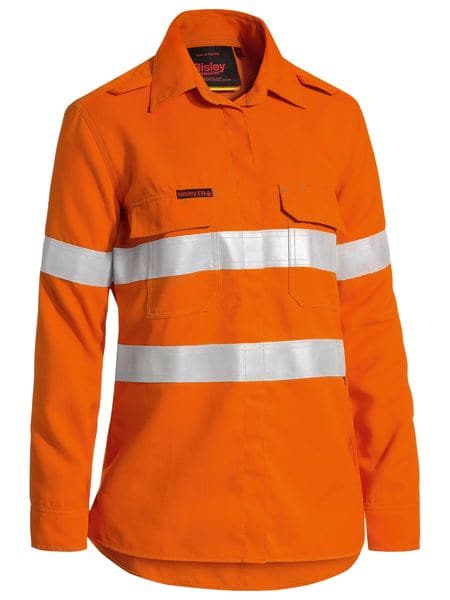
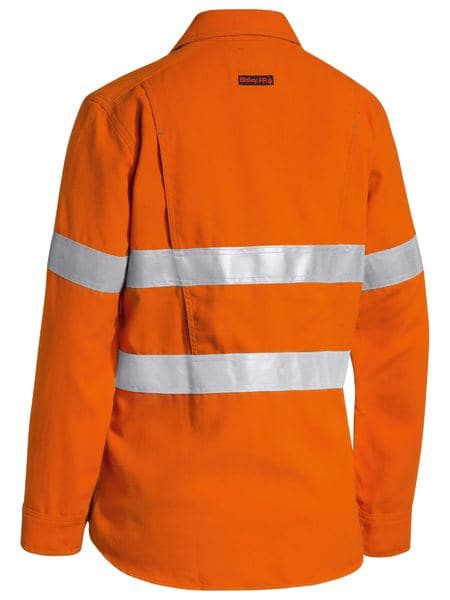
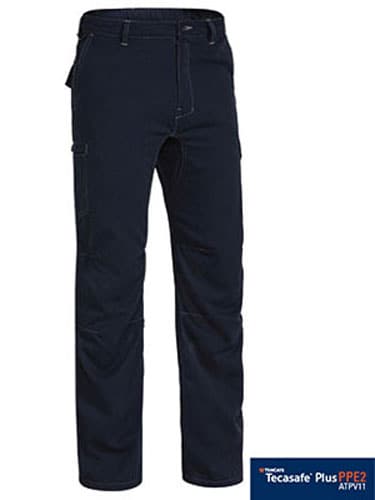
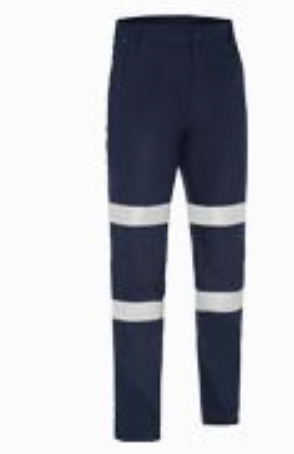
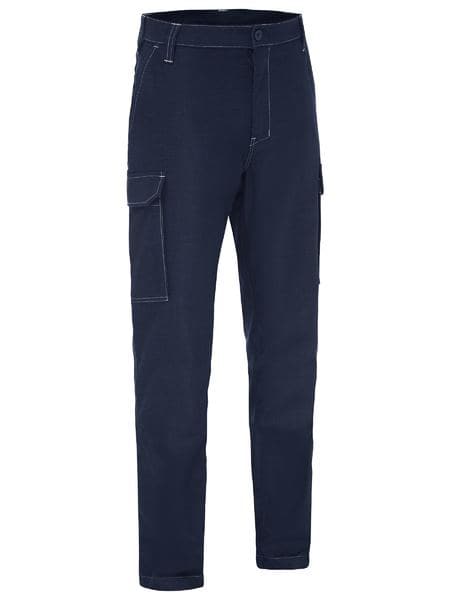
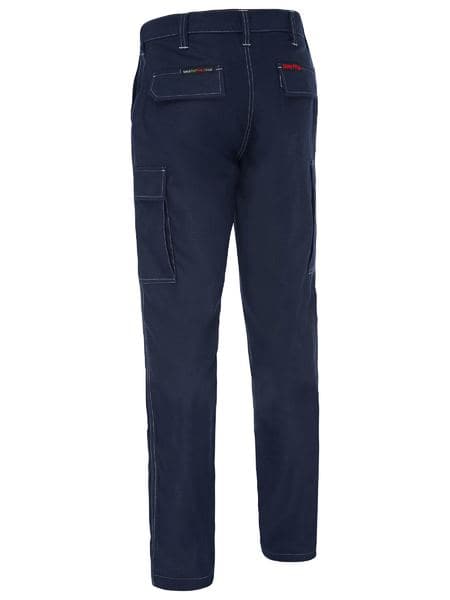
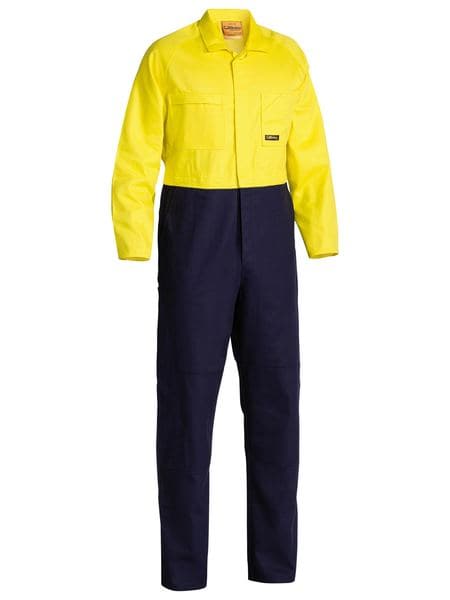
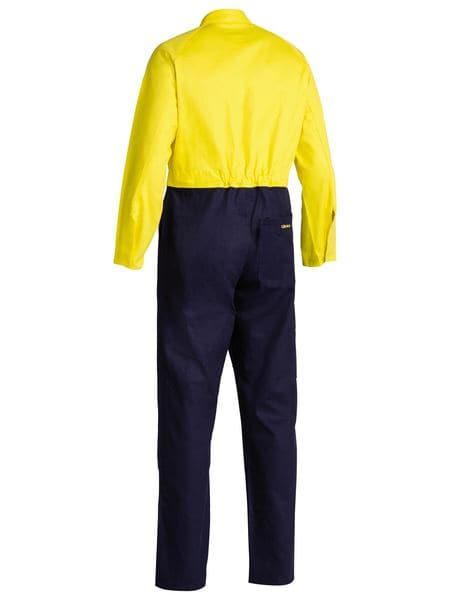
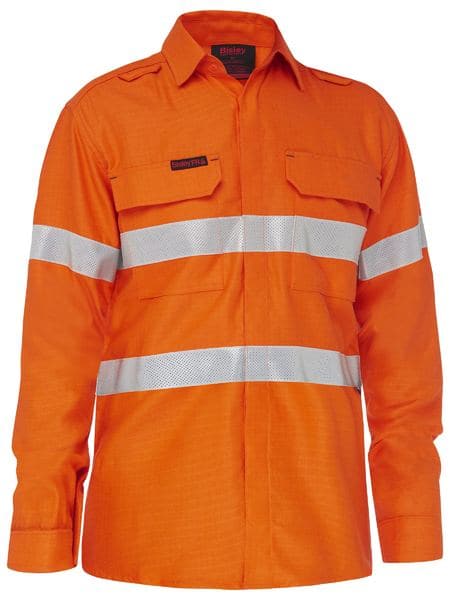
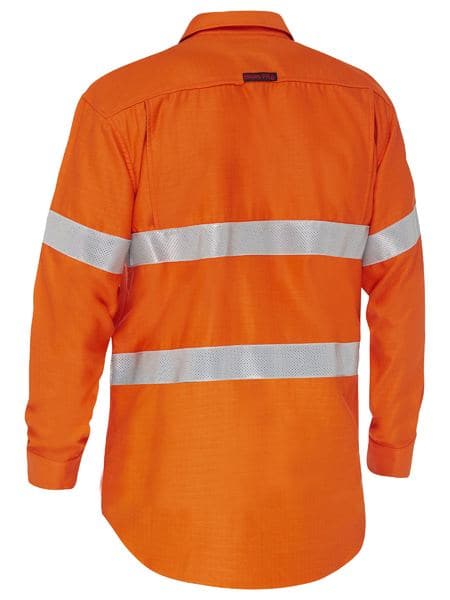
For sparkies the hazard that shapes the wardrobe is arc flash, and it is the one that punishes the wrong fabric hardest. Ordinary polyester and poly-cotton can melt and stick to skin under an arc, which is why flame resistant garments are the part of this range worth understanding before anything else.
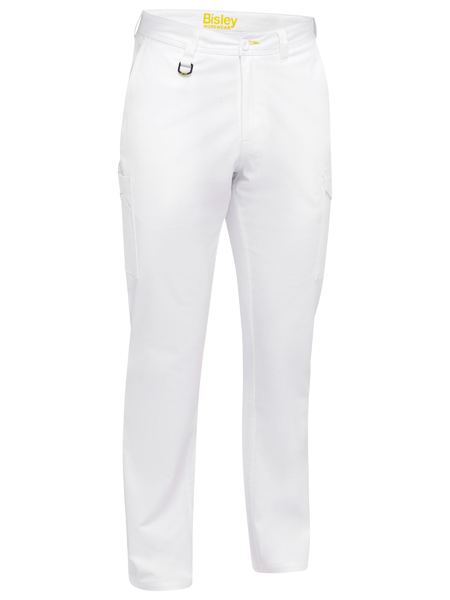
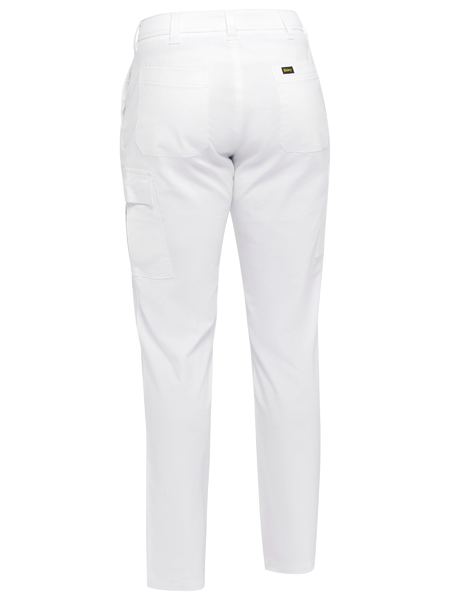
Flame resistant styles run deeper here than on most trade pages on this site, and they sit alongside anti-static options for work around sensitive equipment and controlled environments. The rest of the range is shaped by how the work is actually done: knee-reinforced pants for anyone spending the day in ceiling spaces, under floors or in a switchboard cavity, stretch panelling for the awkward postures that come with pulling cable and terminating in tight enclosures, and ventilated builds for roof cavities in summer, which is comfortably the hottest place most electricians work. Hi vis is here for site and construction work, though a domestic and commercial sparkie may never need it.
The important caveat: flame resistance is a rating, not a category. An FR garment has a specified performance level, and whether it is adequate for your work depends on the incident energy of the task, which is assessed on site rather than chosen off a product page. Check the rating on the individual product, and check it against your own arc flash risk assessment.
Two things that do not apply to most other trades. The first is arc flash protection: where your risk assessment identifies an arc hazard, you need inherently flame resistant clothing, and a normal cotton drill shirt is not it. The second is metal. Exposed metal fasteners, zips and rivets are a conductive path, which is why a lot of electrical work specifies covered or non-metallic closures.
Beyond that, anti-static fabric is commonly required on sites where static discharge is a hazard in its own right.
Is flame resistant clothing the same as arc rated?
No, and the distinction matters. Flame resistant means the fabric will not sustain a flame. Arc rated means the fabric has been tested against an electric arc and given a value for how much incident energy it will withstand.
All arc rated clothing is flame resistant. Not all flame resistant clothing has been arc tested. If your risk assessment names an arc rating, the garment has to carry that specific certification, and the figure comes from the manufacturer's datasheet rather than from us.
Can I wear a hi vis vest over flame resistant clothing?
Only if the vest is itself flame resistant. A standard polyester vest can melt onto the garment underneath, which turns your protective layer into the thing causing the injury. This is one of the most common ways FR protection gets defeated on site, and it is usually done with good intentions by someone adding visibility.
Recently viewed
Free Shipping
Order over $200 and the order ships free, Australia wide.
Established 1990
We know how to take care of our customers.
Top-Notch Support
Need a hand or have a question? Don't hesitate to reach out.
Save Upto 15%
The more you add, the more you save. Buy in bulk and take 15% off.
Opens in a new window.
Total
You saved !
You are eligible for free shipping!
Spend more and get free shipping!
Bisley Fit Protect
Shipping protection switch
If your item does not fit right - ship your item back to us for FREE and opt for an exchange or store credit. Excludes 'final sale' items.
Gifting has never been easier
Perfect if you're short on time or are unable to deliver your gift yourself. Enter your message and select when to send it.