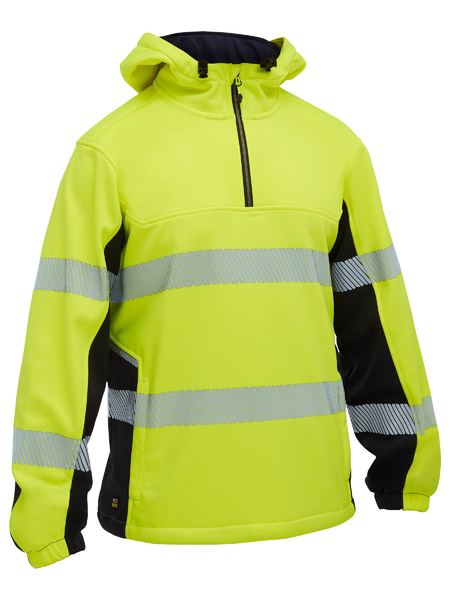
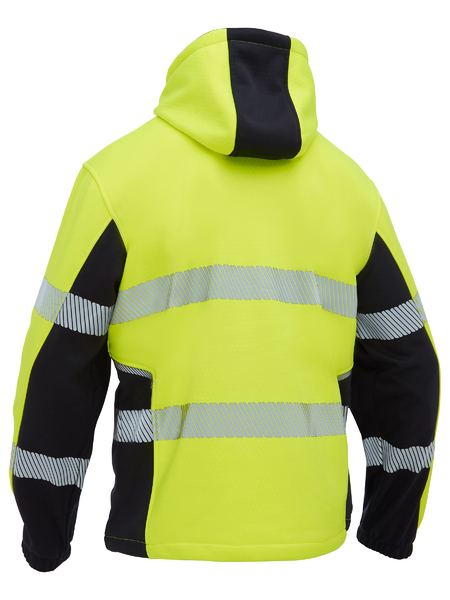
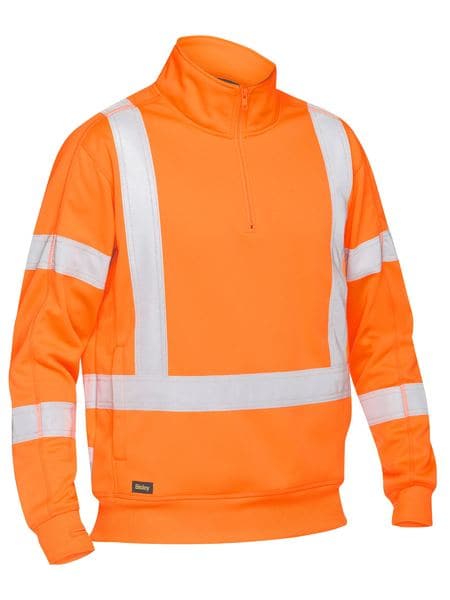
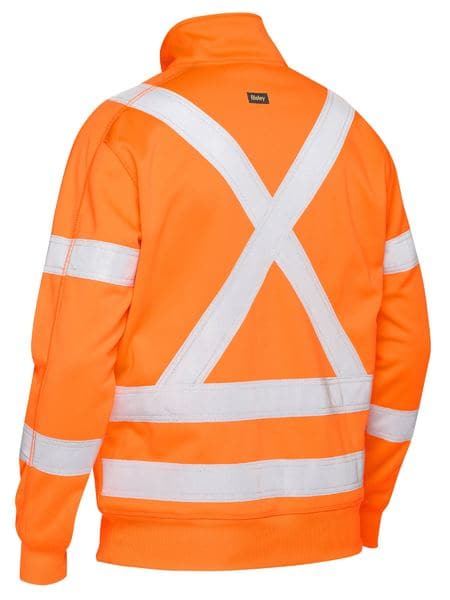
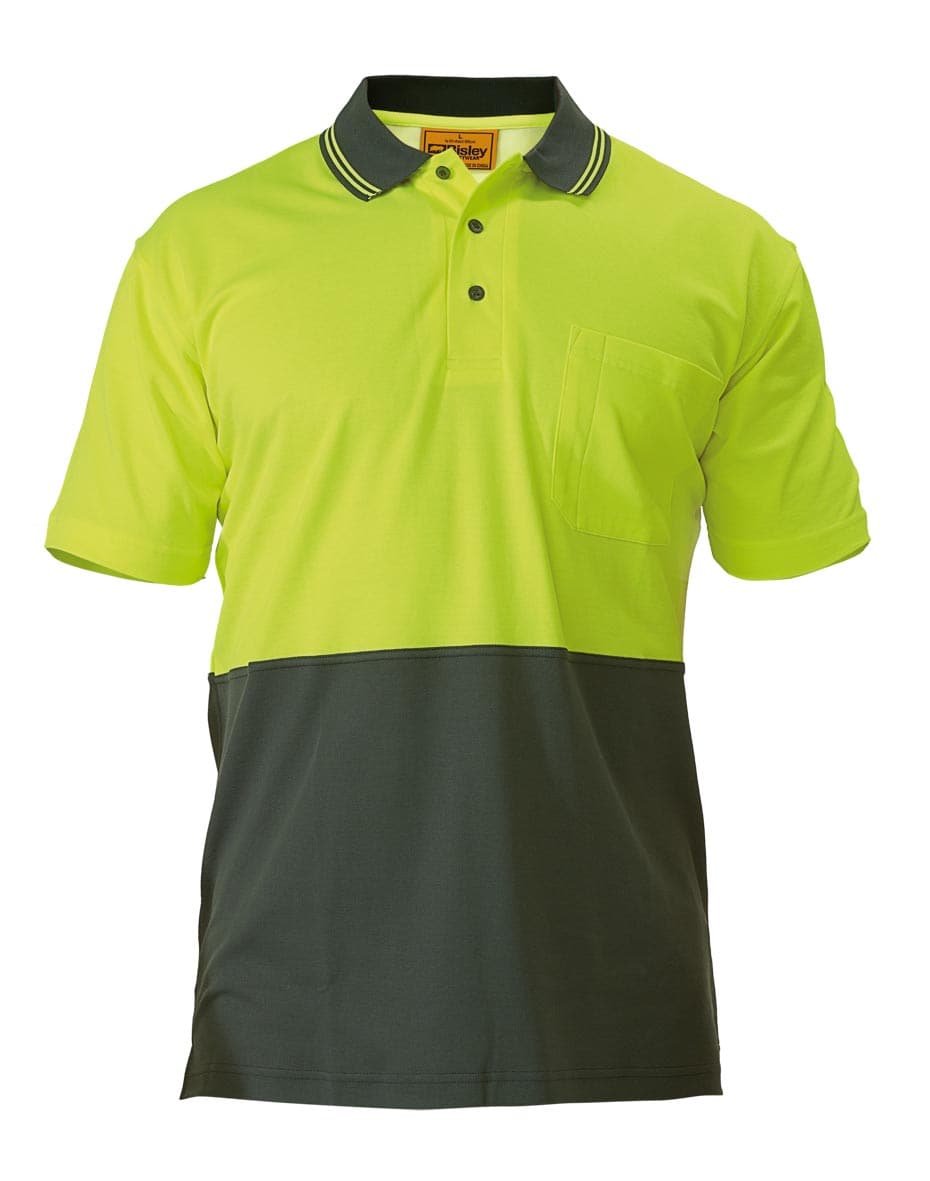
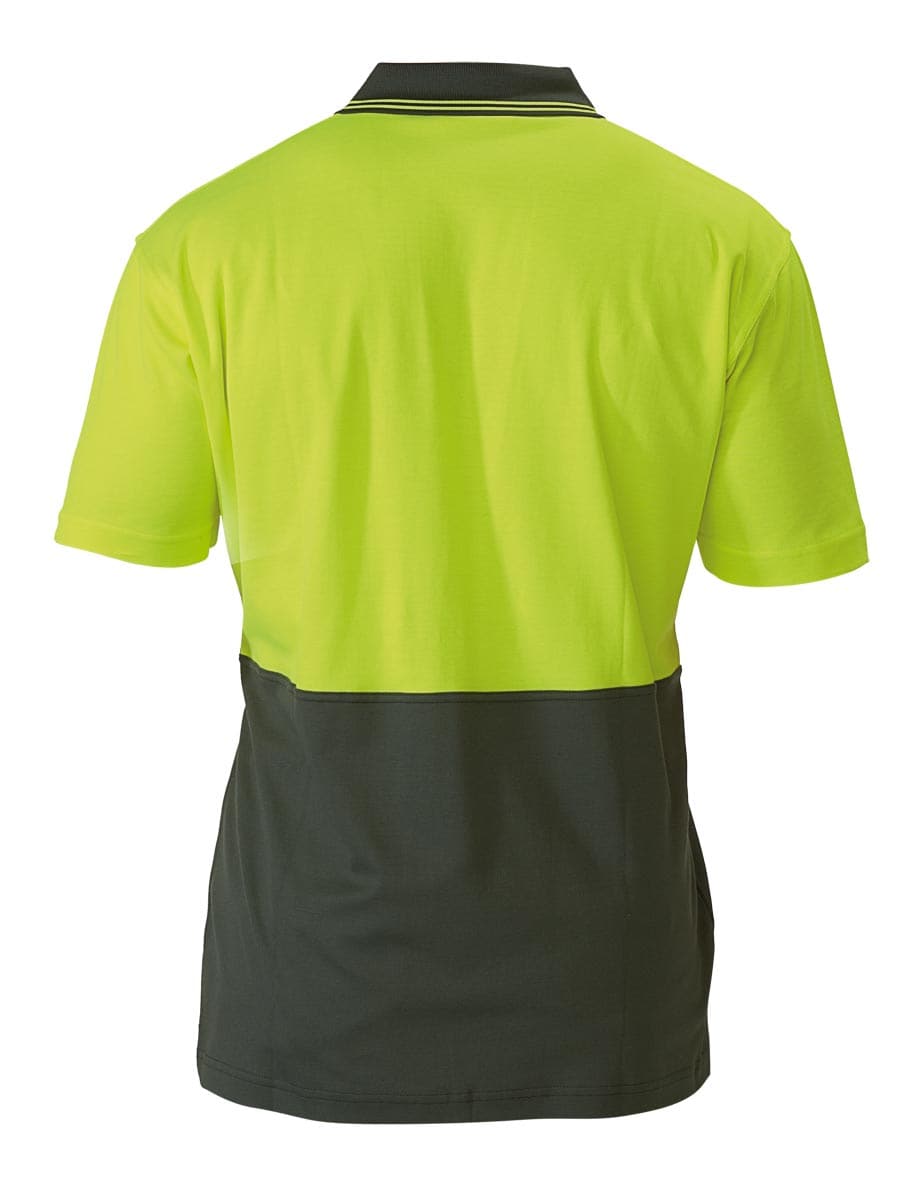
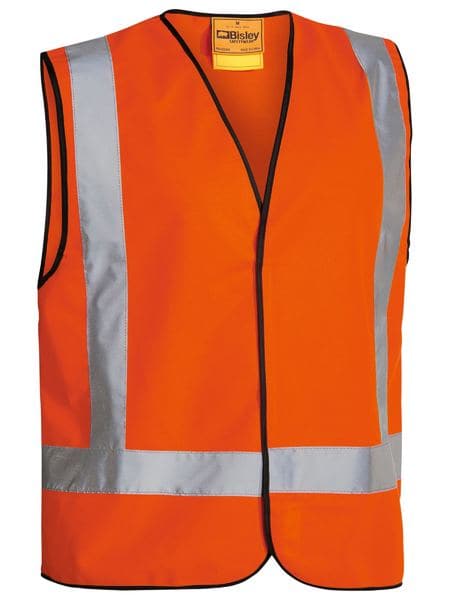
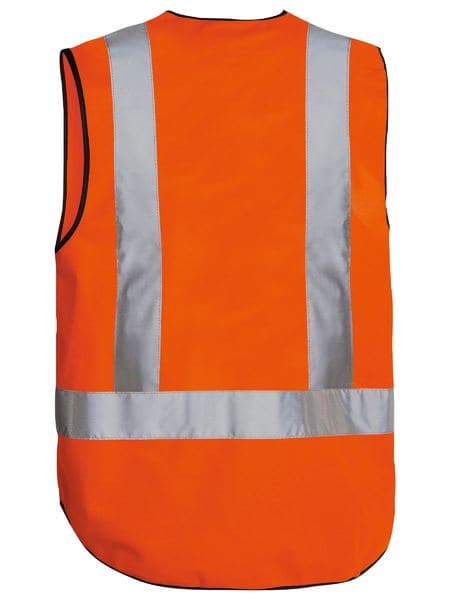
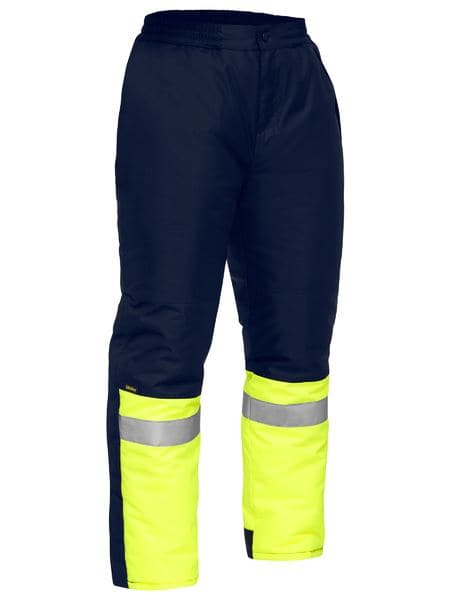
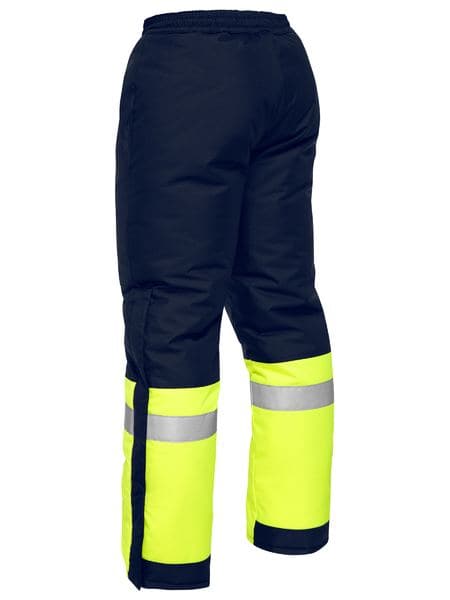
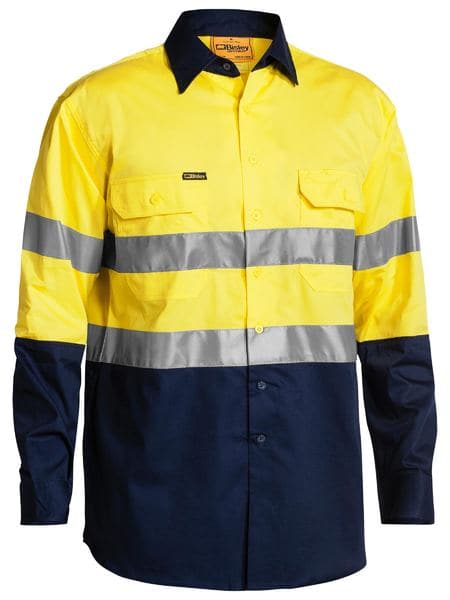
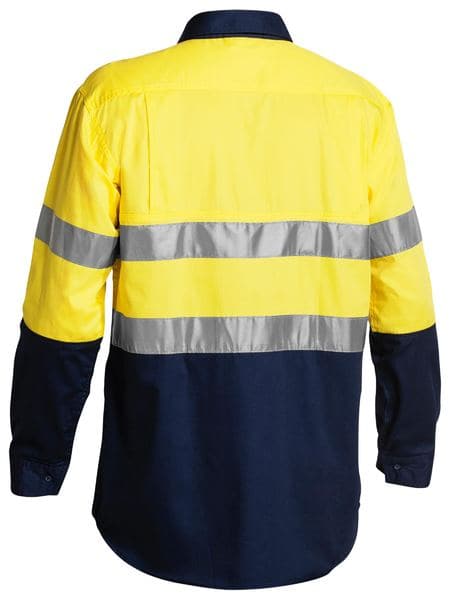
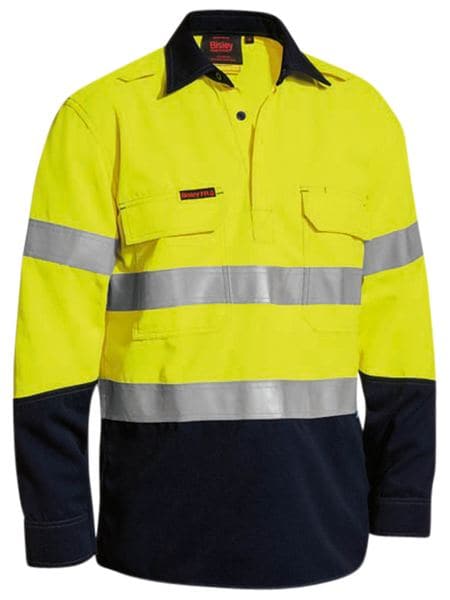
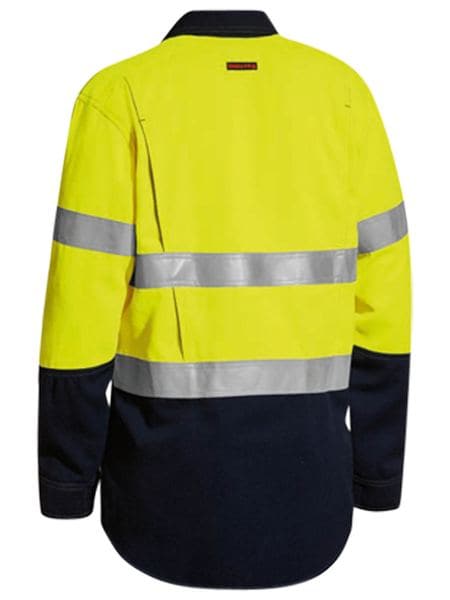
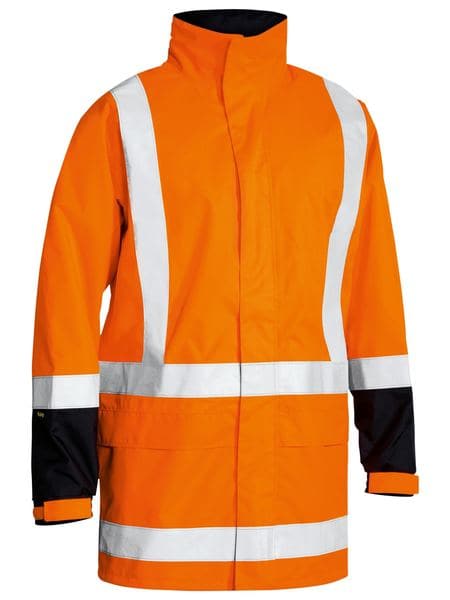
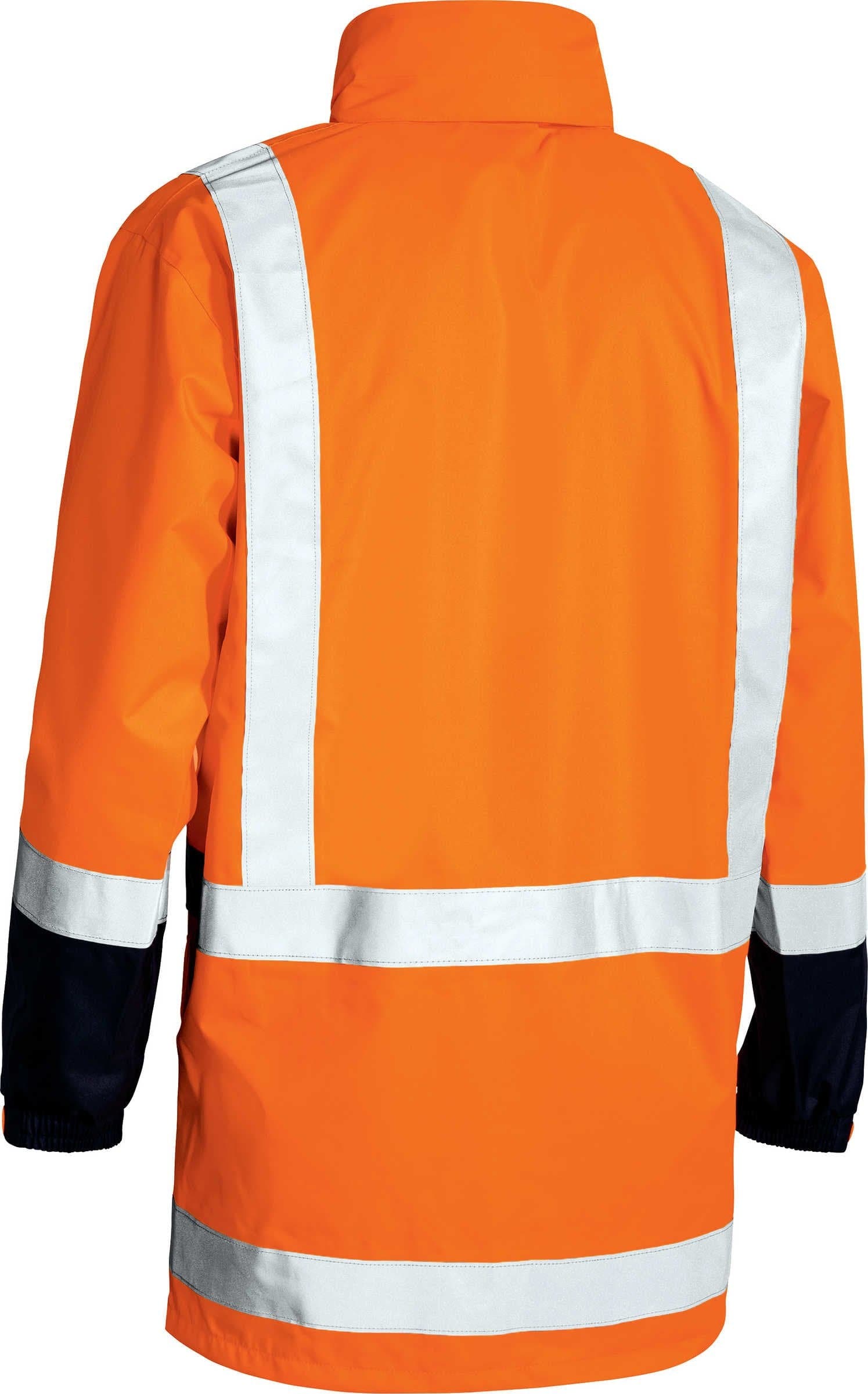
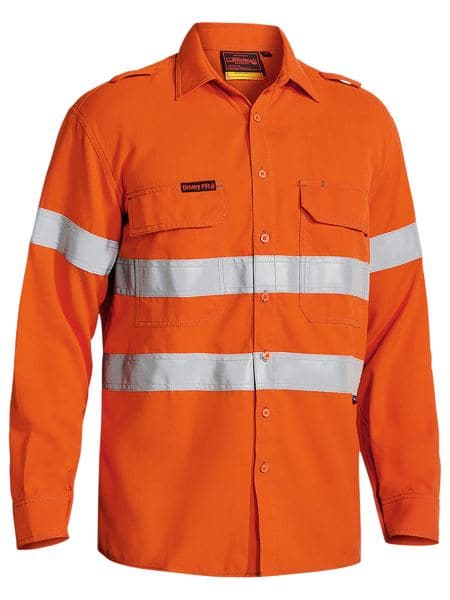
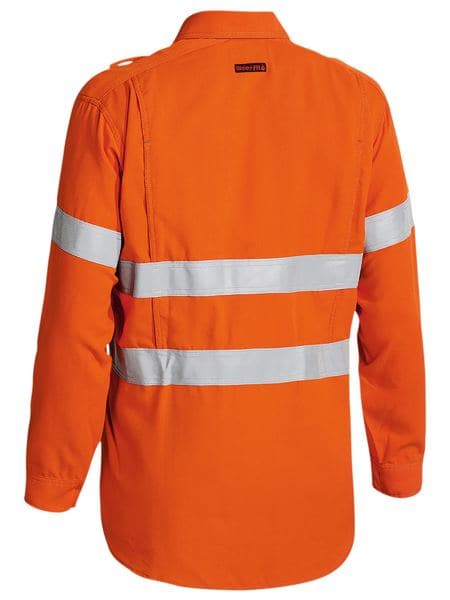
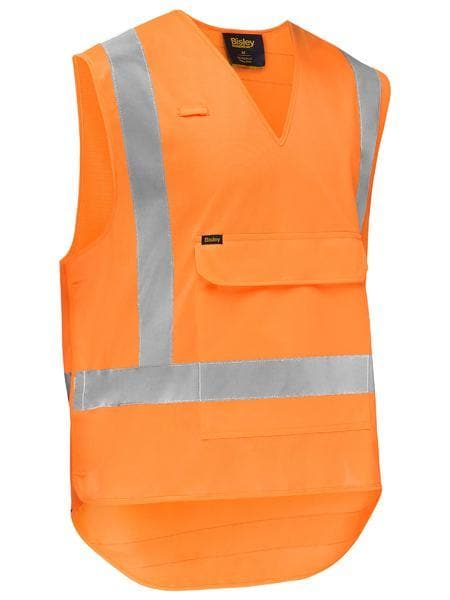
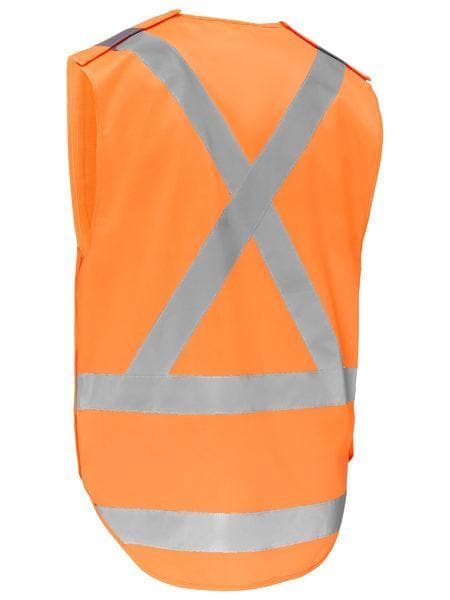
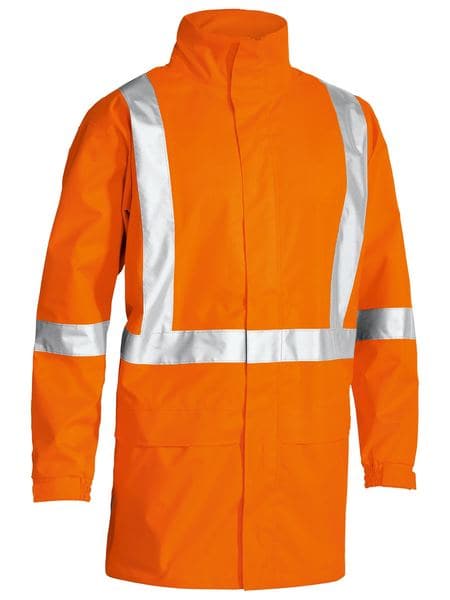
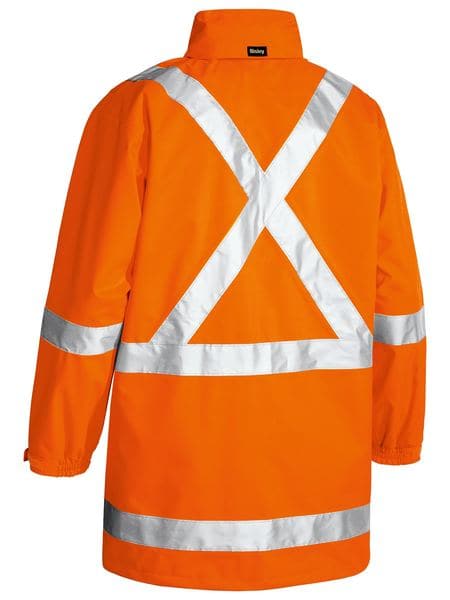
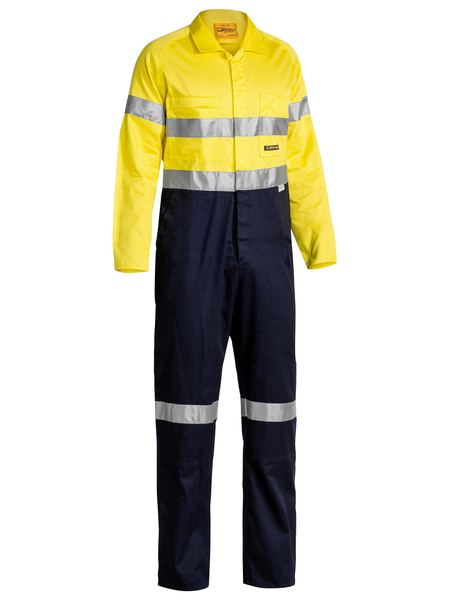
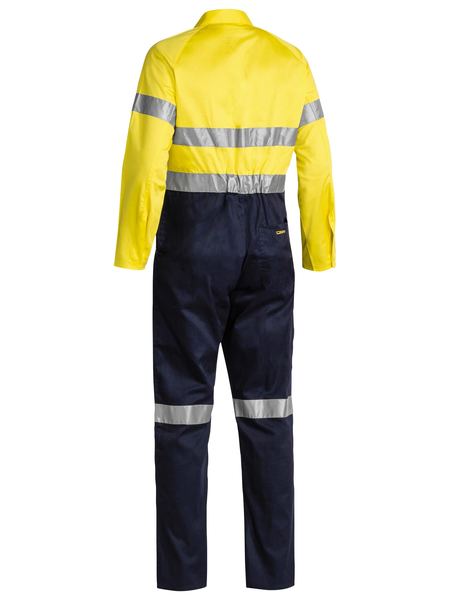
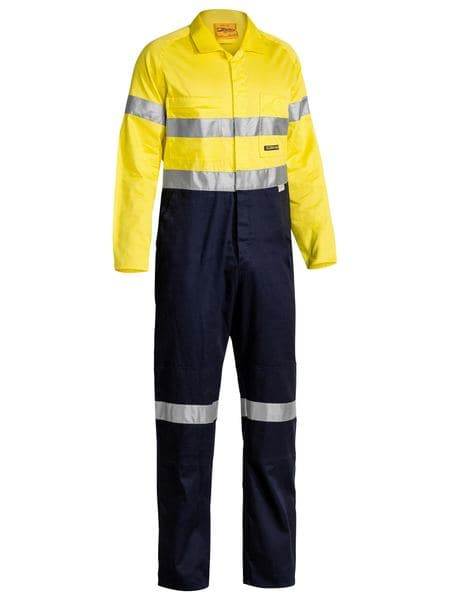
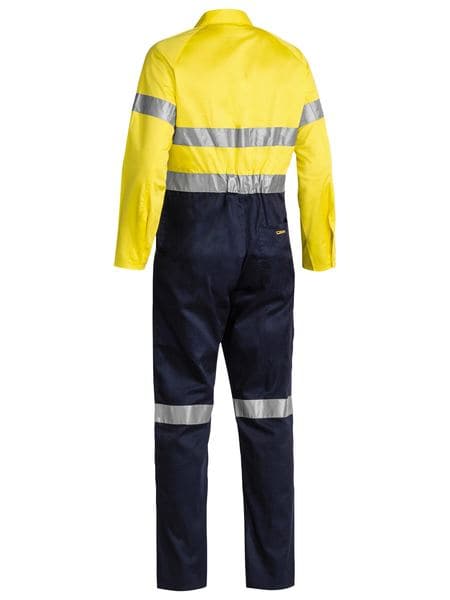
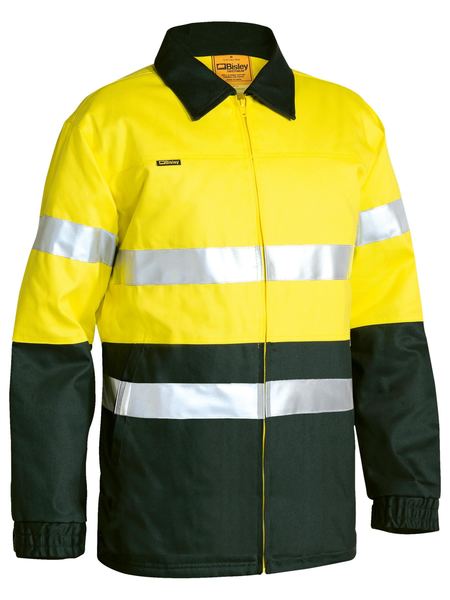
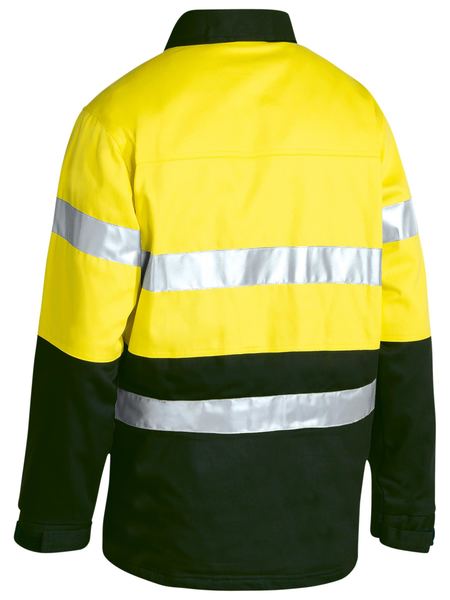
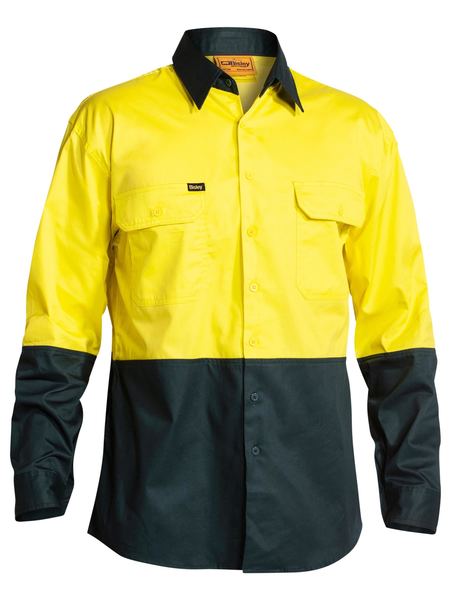
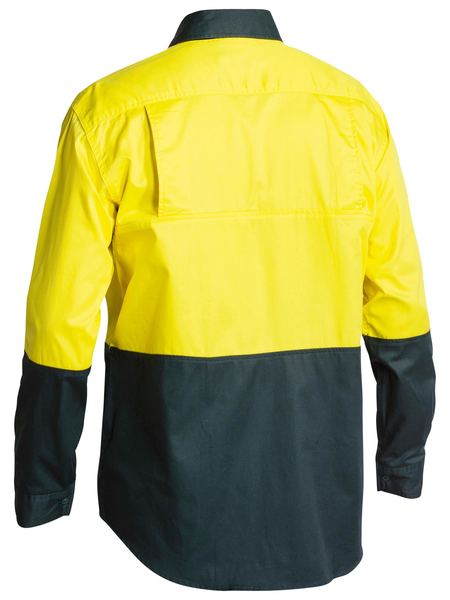
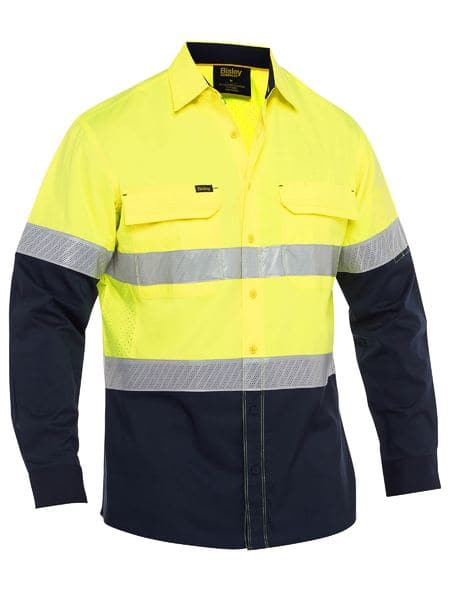
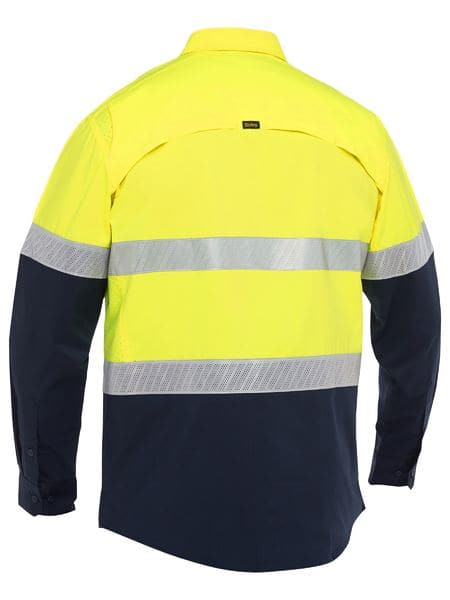
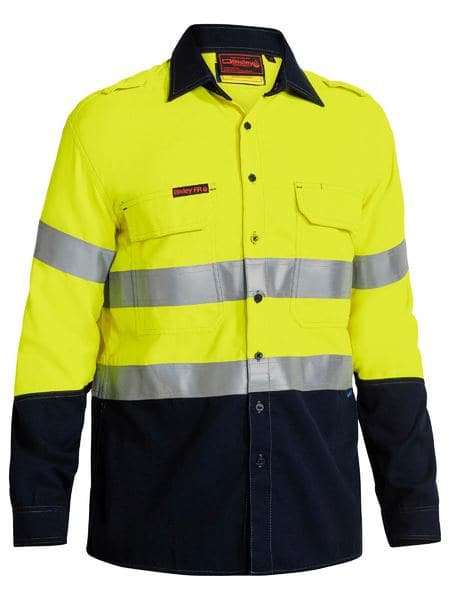
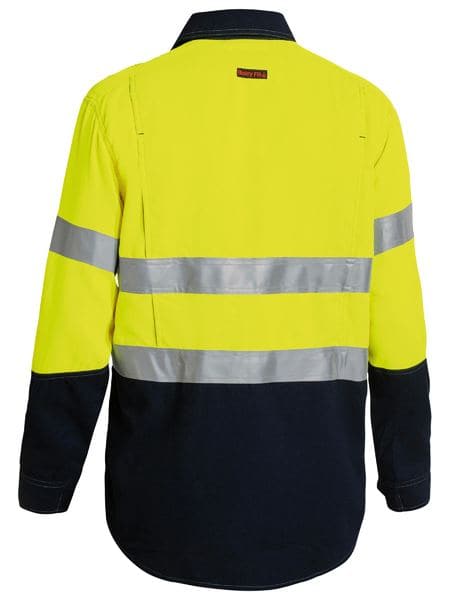
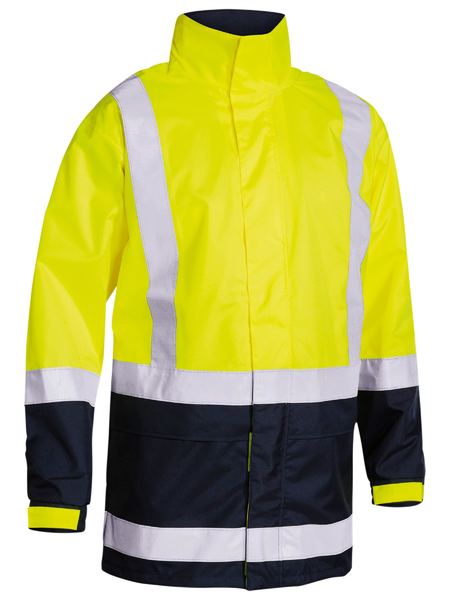
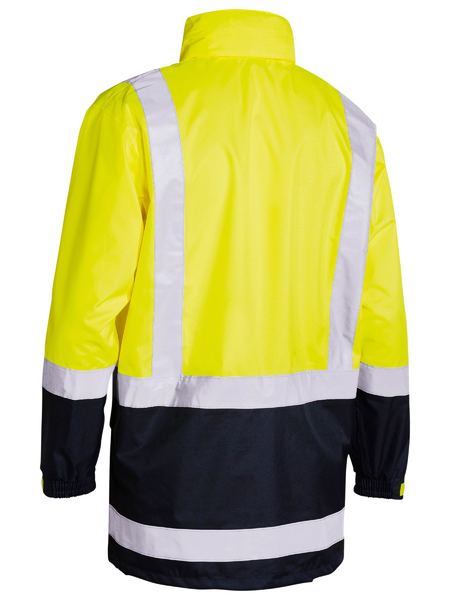
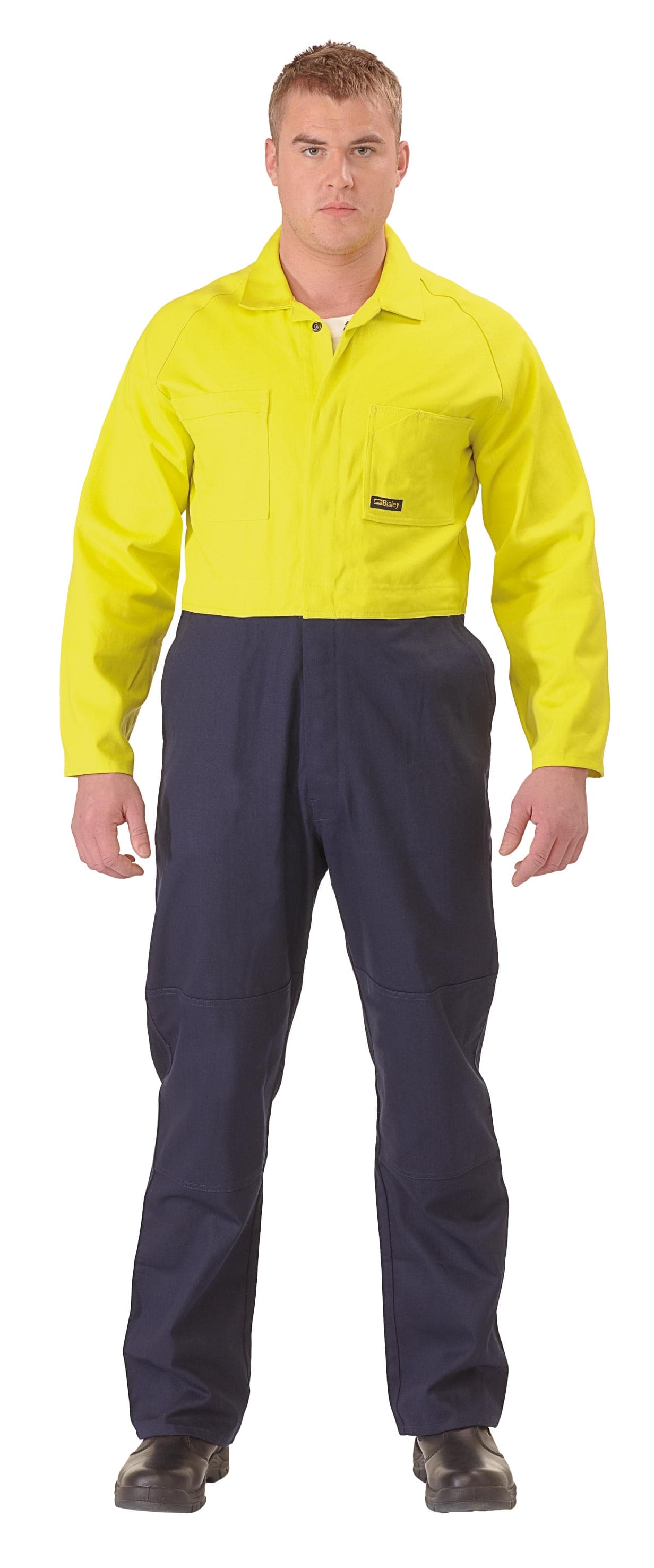
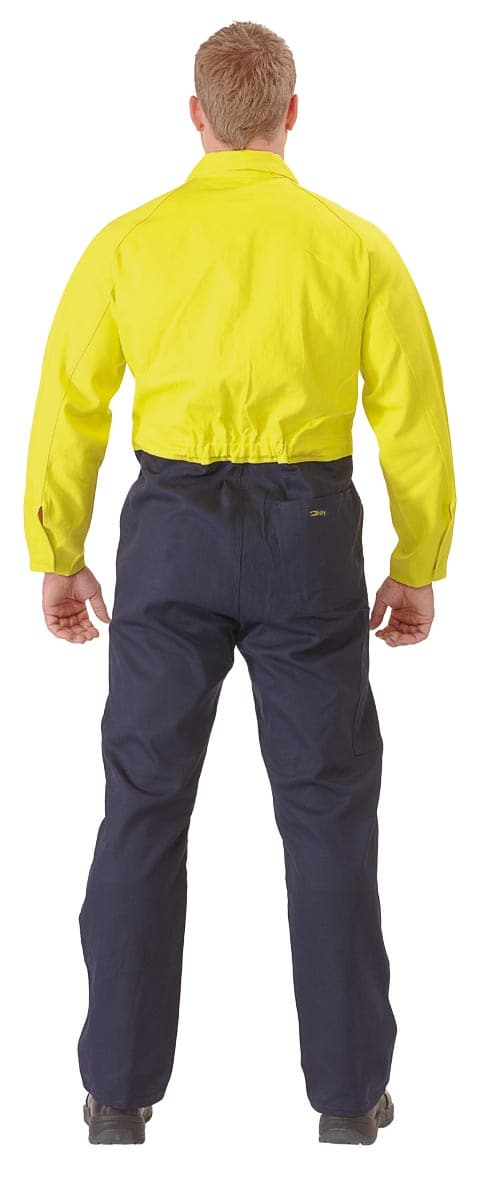
High-Quality Men’s Hi Vis Workwear For Safety & Comfort
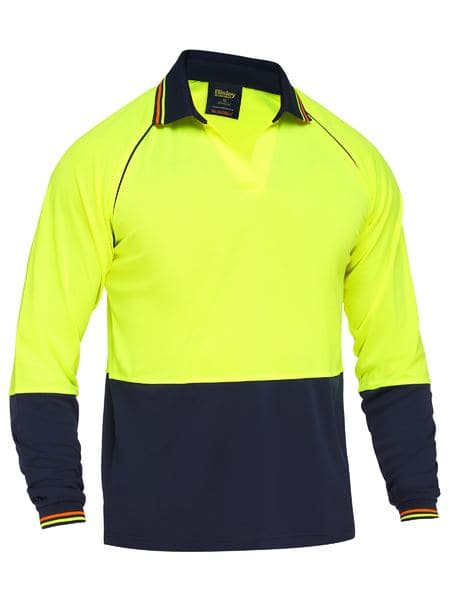
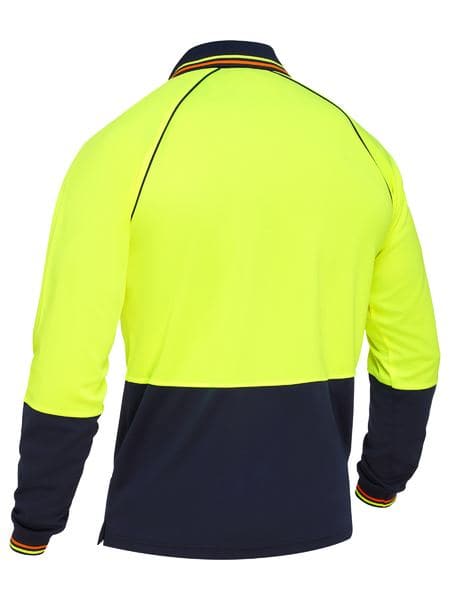
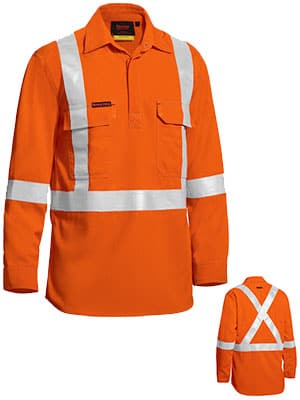
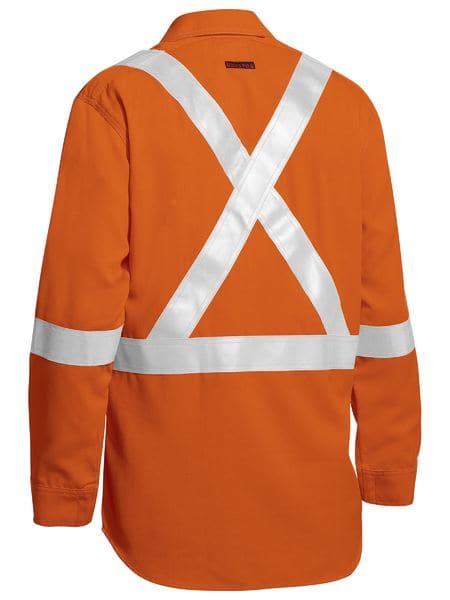
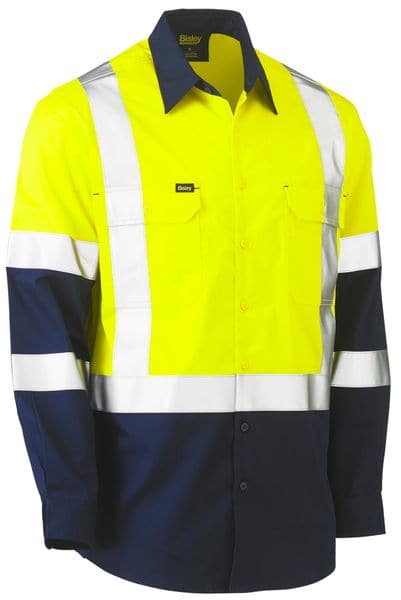
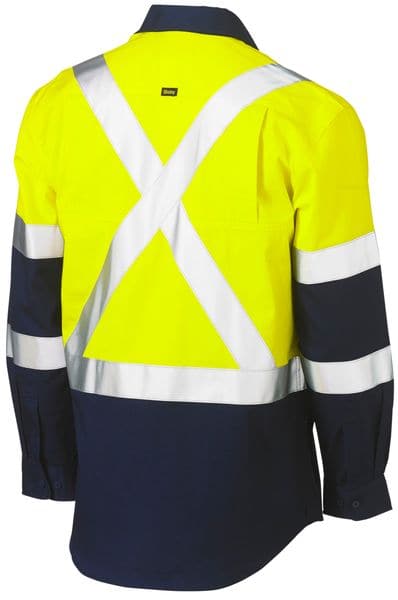
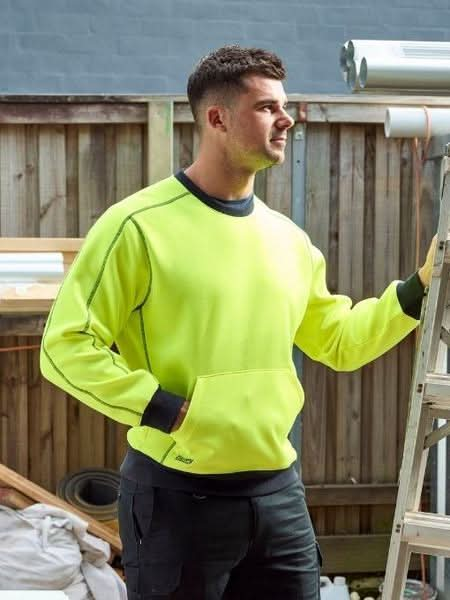
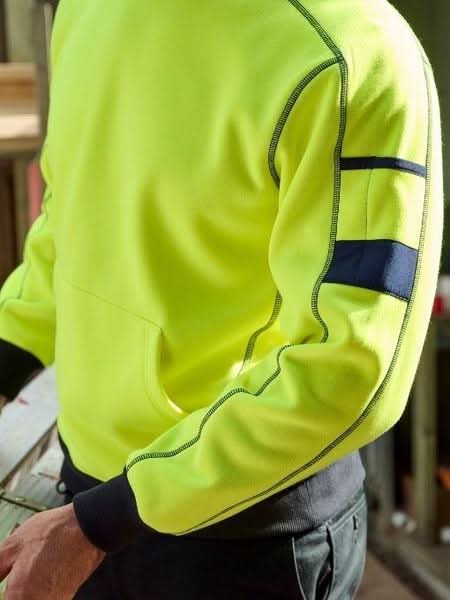
Wearing hi vis men’s clothing is essential for reducing the risk of accidents and ensuring you're seen in low-light conditions. Bisley's Men's Hi Vis Workwear features reflective materials and bright, eye-catching colors that enhance your visibility on the job site. Check out the latest in Bisley Men's Hi Vis Vests, Hi Vis Shirts, Hi Vis Jumpers, Hi Vis Hoodies, Hi Vis Pants and Bisley Men's Hi Vis Jackets.
Is Hi Vis PPE?
Hi vis workwear is a critical component of PPE and plays a vital role in keeping workers safe on the job. By ensuring you're easily seen, hi vis clothing helps to prevent accidents and protect you from potential hazards.
Australian Standards For Hi Vis Men Clothing
Hi vis clothing is a mandatory requirement for certain industries in Australia, and it's essential to understand the relevant standards. The Australian standard for high-visibility clothing is AS/NZS 4602.1:2011, which specifies the requirements for different classes of high-visibility clothing.
Choose The Right Colour For Men’s Hi Vis Workwear For Your Industry
There are three main classes of high-visibility clothing in Australia, each designed for specific industries and conditions:
Class 1: Low-Impact Conditions
Suitable for low-impact conditions, such as warehouses or factories with low vehicle traffic. Yellow is the most common colour for Class 1 high vis clothing.
Class 2: Medium Traffic/Low Visibility Conditions
Designed for medium traffic and low visibility conditions, such as construction sites or road maintenance. Orange is the most common colour for Class 2 men’s hi vis workwear.
Class 3: High Traffic Conditions
Required for high traffic conditions, such as highways or busy construction sites. Red is the most common colour for Class 3 hi vis workwear.
Note: Pink and blue high-visibility clothing is not legal in Australia
Tall & Big Men's Hi Vis Clothing - Comfort For Every Size
Bisley understands that not all men are built the same, which is why their big men’s hi vis workwear range is extensive - from S to 6XL - and innovatively designed to ensure a comfortable and secure fit for men of all shapes and sizes.
Discover The Superior Quality Of Bisley Men’s Hi Vis Clothing Today
Bisley's Men's Hi Vis Workwear is designed to provide exceptional quality, comfort, and protection. With features like wet weather resistance, Flex & Move technology, and Bisley's exclusive Fresche® bacterial treatment, these garments are built to withstand the toughest conditions. Shop Bisley Men's hi vis today and experience the difference that high-quality workwear can make.
Tips For Cleaning Hi Vis Clothing
So, how to keep hi vis shirts clean, as well as other hi vis workwear? To keep your Bisley men’s hi vis workwear looking its best, follow these tips:
- Wash in cold water using a mild detergent
- Avoid using bleach or fabric softener
- Hang to dry out of direct sunlight