Bisley Men's Flame Resistant Workwear

32 products

Showing 25 - 32 of 32 products

Showing 25 - 32 of 32 products
View

Discover Our Premium Men's Flame Resistant Clothing For All Trade Industries

Our Bisley flame resistant clothing is designed to significantly reduce your risk of serious injury in the workplace. Garments are crafted to meet rigorous safety standards and are suitable for industries like mining, construction, and emergency services.

Bisley offers a wide range of flame-resistant workwear, including:

  • Flame-Resistant Work Shirts: 

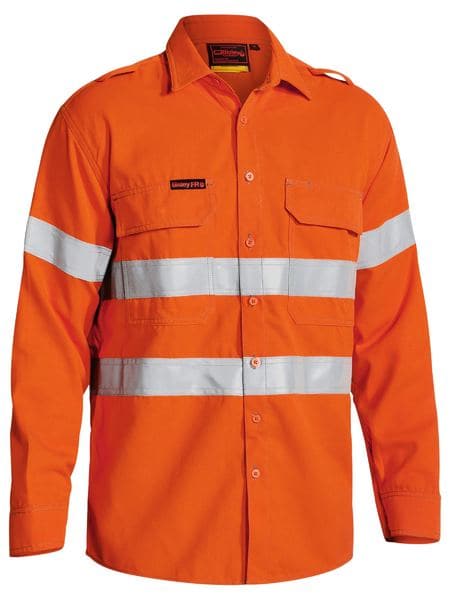
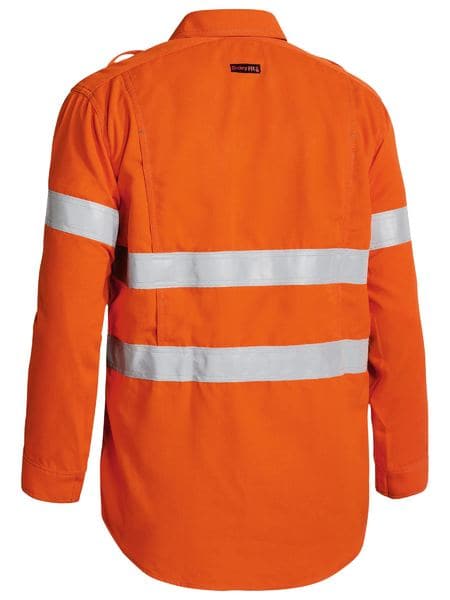
The classic Bisley flame resistant shirt, in long and short-sleeve, designed for protection against flames and heat.

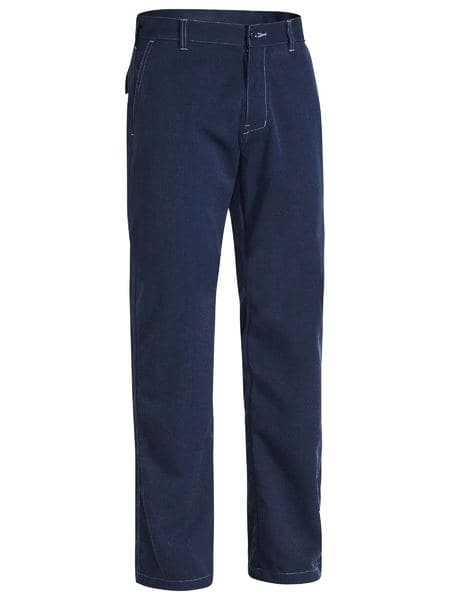
  • Flame-Resistant Pants and Work Trousers: 

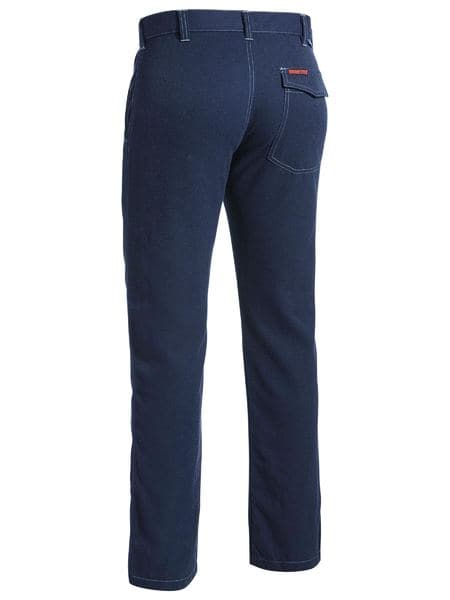
Flame resistant pants for men in a range of durable styles to suit a variety of work environments.

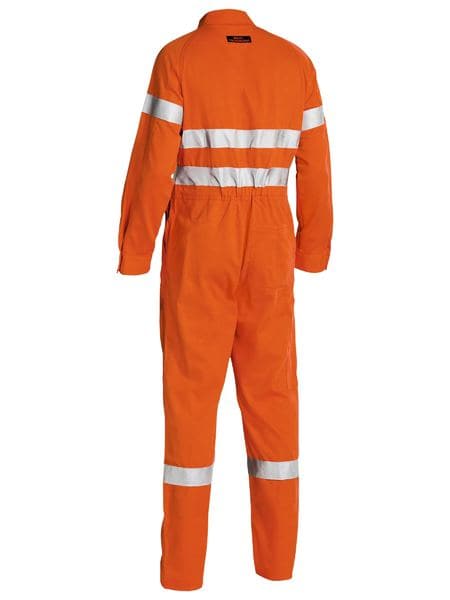
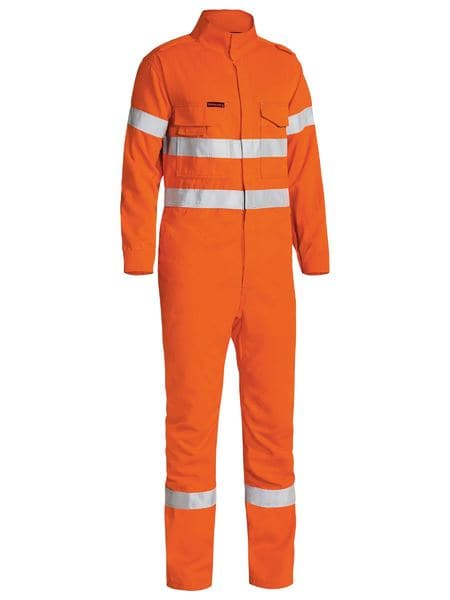
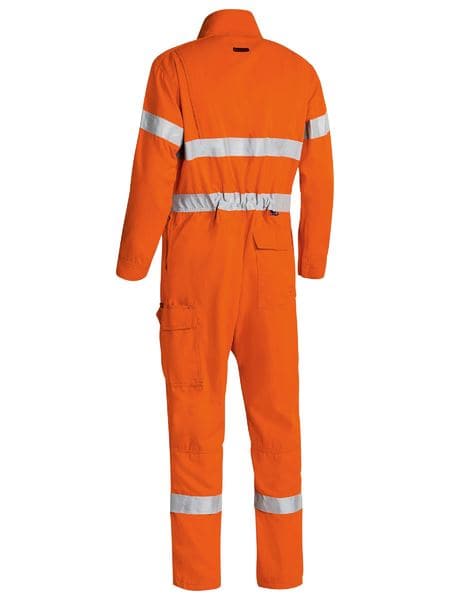
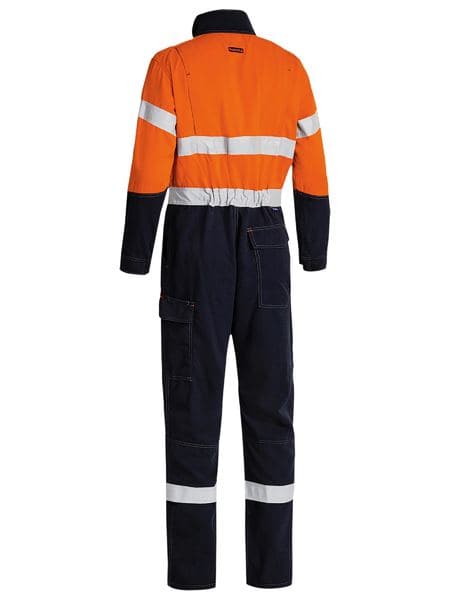
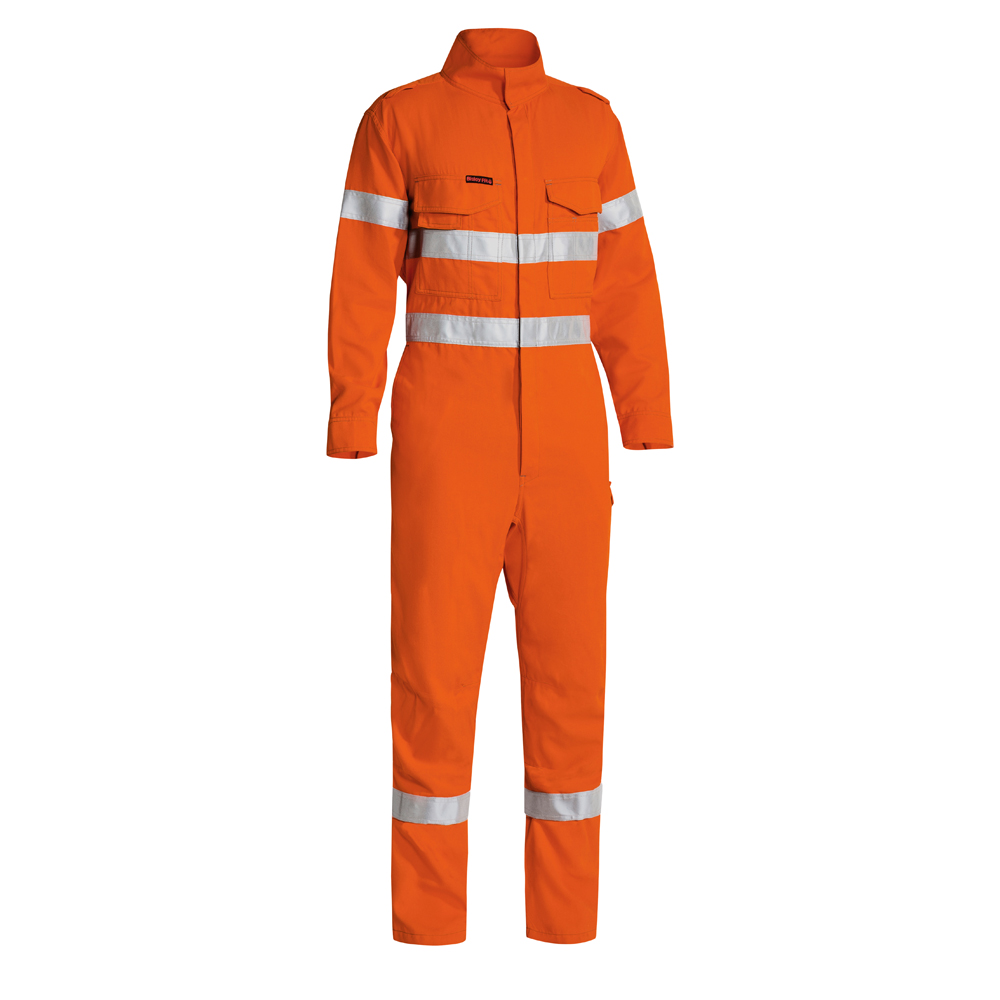
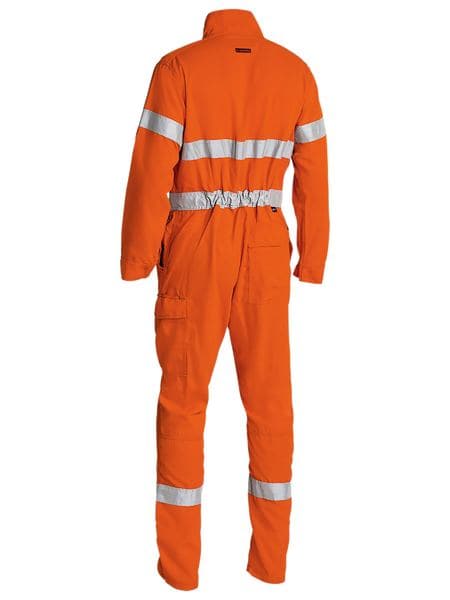
  • Flame-Resistant Overalls: 

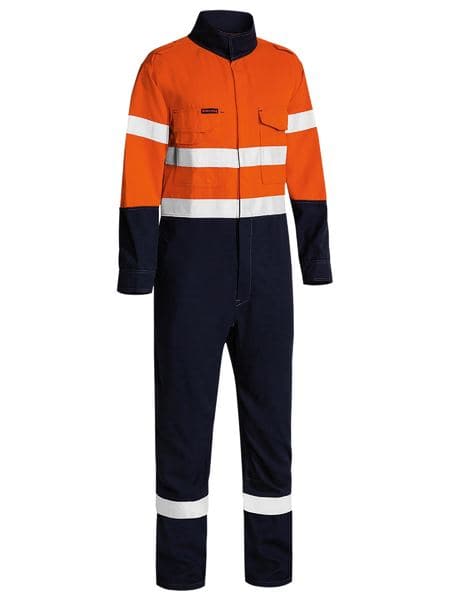
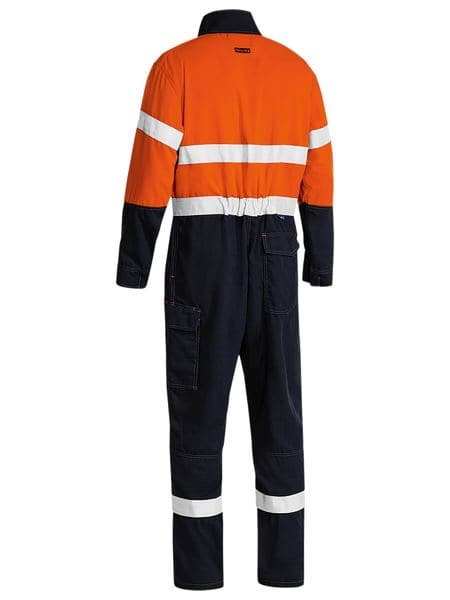
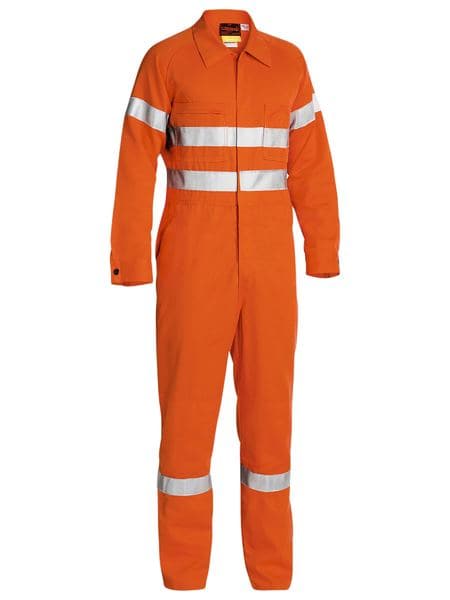
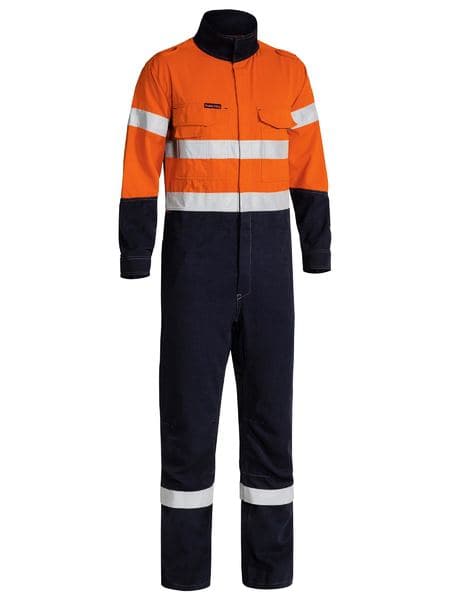
Full-body coverage offering comprehensive protection against heat and flames.

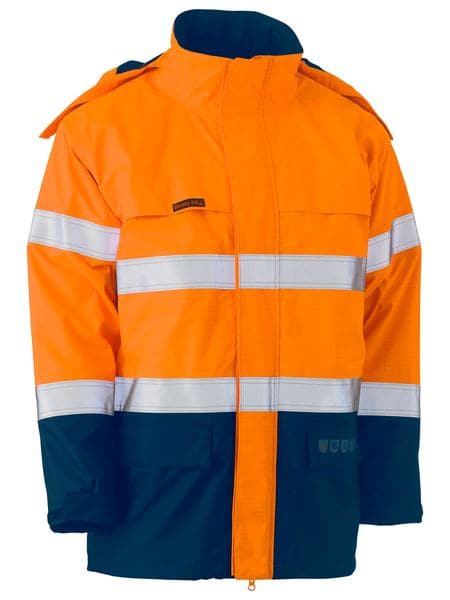
  • Flame-Resistant Jackets and Vests: 

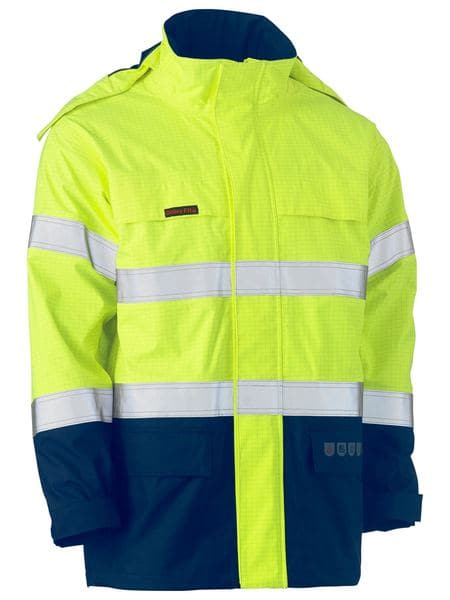
Outerwear designed to provide additional protection in hazardous conditions. The men’s flame resistant jacket is also seam sealed to guard against wet weather conditions, is fully cotton lined, and has a detachable zip off hood.

  • Flame-Resistant High Visibility Gear: 

Bisley flame resistant clothing can also incorporate reflective strips for visibility in low-light conditions, essential for safety in industrial and outdoor settings.

Bisley Men's Flame Resistant Clothing - Trusted By Australian Tradies

Bisley flame resistant clothing is trusted by Australian tradies for its superior durability, comfort, and compliance with local safety standards. High-quality, flame-resistant materials and robust construction ensures reliable protection against heat and flames and a perfect fit to tackle the most hazardous jobs.

Wear Our Flame Resistant Workwear For The Ultimate Comfort & Safety

When you wear Bisley flame resistant workwear, you know that you’re getting the best in comfort and safety with advanced, flame-resistant fabrics that are both durable and breathable. Ergonomic features, like vents and adjustable tabs, supply ease of movement and a perfect fit - with additional elements like windproof seams and moisture-wicking linings for premium comfort. Rigorous testing ensures compliance with local safety standards, and long-lasting, reliable protection against the elements for extended periods.

Frequently Asked Questions (FAQs)

One of two things, and they behave differently over the life of the garment. Some fabrics are inherently flame resistant, where the property belongs to the fibre itself. Others are ordinary fabrics given a flame resistant chemical treatment, where the protection sits on and in the fabric rather than in the fibre.

The practical difference is durability. Inherent protection lasts as long as the fabric does, while treated protection depends on the treatment surviving wear and laundering, which is why treated garments come with care limits you have to keep to. Where the details you have do not say which of the two you are looking at, treat that as an open question and ask before you buy — and note that neither route makes a garment fireproof.

No. Flame resistance describes how a fabric behaves when it meets a flame. An arc rating is a number produced by testing — the incident energy at which a wearer would be expected to receive a second degree burn — and it has to be at least what the arc flash assessment for your task calls for.

The consequence people miss is that no stated arc value means untested, not low. If your site names a rating, work to that number — a garment that is flame resistant but has never been arc tested is not a substitute for one that carries the figure.

To the garment's own care label, which on protective clothing is part of the protection rather than a suggestion. Where a fabric is treated rather than inherently flame resistant, the wrong detergent, bleach or wash temperature can shorten how long the treatment keeps working, and the label is where those limits are set out.

Contamination is the bigger day-to-day problem. Fabric soaked with oil, grease, fuel or solvent will burn regardless of how the fabric would have behaved clean, so gear that gets that dirty needs washing before it goes back on, not at the end of the week.

It varies a lot with fabric weight and construction, and it matters more than ordinary comfort does, because a flame resistant garment only works while it is on and closed up. Rolled sleeves, an open front and an untucked shirt are the everyday ways the protection gets given away on a hot day.

So treat breathability and fit as safety considerations rather than luxuries, and think about what goes underneath as well. A polyester base layer can melt in the heat that comes through an outer garment that is still doing its job, and fuse to the skin it is sitting against, so the burn you end up with is worse than the one the outer layer was limiting. Cotton next to the skin, or a base layer that is itself flame resistant, avoids that.

Recently viewed